
Exhibitions
MACBA celebrates 30 years with a collective party and the new presentation of its collection
MACBA and the Raval: a meeting point between art and urban life.
The Museum of Contemporary Art of Barcelona opened its doors on November 28, 1995, marking a before and after in the cultural life of the city. From the very beginning, the museum set out to be a reference space for contemporary art, combining the presentation of its collection with temporary exhibitions that explored local and international artistic trends.
The first exhibitions were a reflection of this ambition. The collective Sculpture. Parallel Creations focused on the diversity of contemporary sculptural creation, while “Reading Spaces” explored the relationship between art, architecture and public space. At the same time, the initial presentation of the collection, Funds for a Collection , allowed the public to discover works by international references such as Antoni Tàpies, Joan Miró and Robert Rauschenberg, establishing the foundations of what is today one of the most relevant contemporary art collections in Europe.
These first exhibitions not only inaugurated a museum, but also highlighted MACBA's desire to be a meeting point between creativity, the city and the public, consolidating Barcelona as a global cultural center.
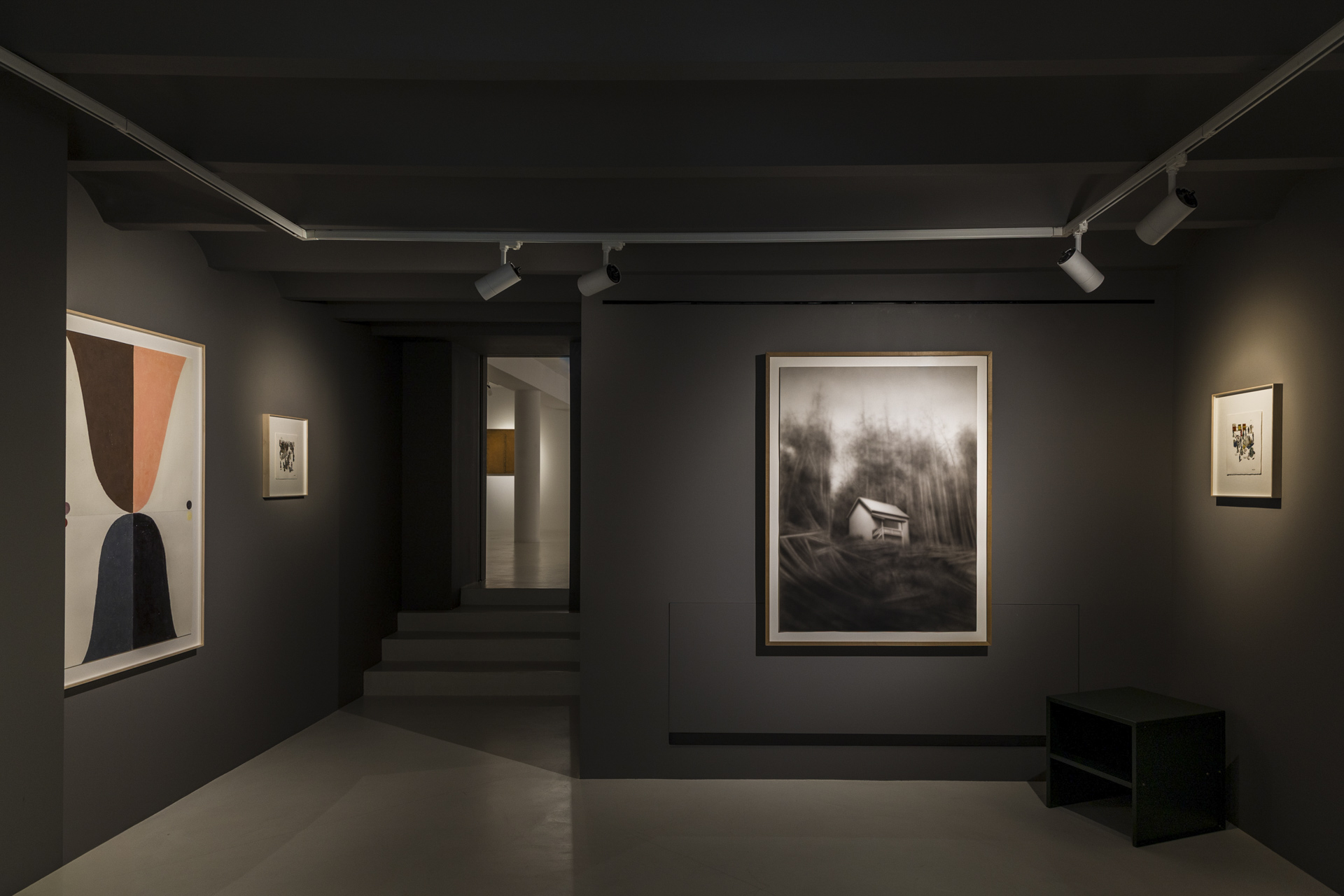
On the occasion of its 30th anniversary, MACBA presents the new exhibition Like a Dance of Starlings. MACBA Collection: Thirty Years and Infinite Ways of Being , accompanied by a grand party open to the public. The exhibition covers different key moments in 20th and 21st century art, bringing together around 200 pieces by around fifty artists. The itinerary offers a tribute but also a critical review of the threads that have defined the museum, exploring subjectivity as a space of liberation and opening up new ways of being and acting in the world. Painting, photography, video, installation and performance coexist in a journey that reflects the diversity of techniques and languages that have defined MACBA's trajectory.
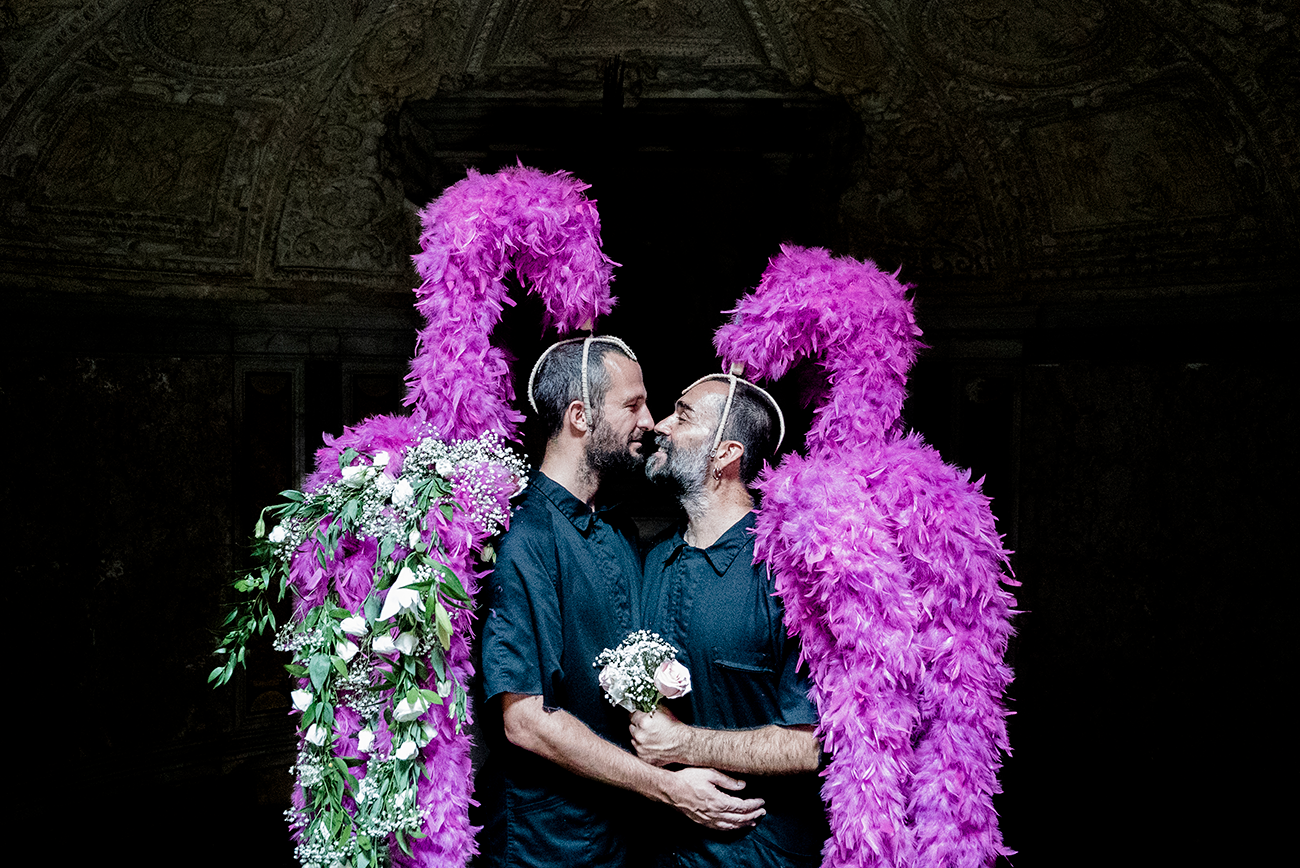
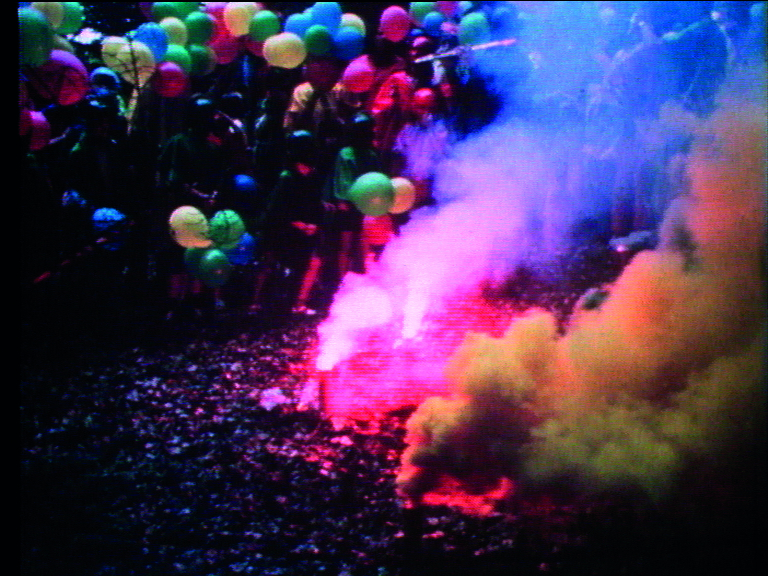
The opening ceremony begins at 7 p.m. with Murmuris I. Cérémonials , a program of live arts, music and performance by Jorge Dutor and Guillem Mont de Palol. This project recovers the festive and countercultural energy of the collective and ephemeral rituals of artists such as Antoni Miralda, Dorothée Selz, Joan Rabascall, Jaume Xifra and Benet Rossell, with humor, theatricality and experimentation with the body. At 8:30 p.m., the party will continue until midnight with the opening to the public of all the exhibitions and the presentation of the new collection.
MACBA is much more than a museum: it is a symbol of urban transformation and a meeting point between art, history and everyday life. The bright white building designed by the American architect Richard Meier has become an icon of contemporary Barcelona architecture, while the surrounding streets, full of galleries, workshops and cafes, reflect the mixed and creative spirit of the Raval.
An exhibition to relive three decades of art
This new exhibition explores the concept of the hybrid subject, which questions identities fixed by categories such as gender, race, nationality or class. This hybridization emerges from the constant interaction between different worlds and, like starlings in their collective flight, allows us to present works that evoke a self constructed organically, from community and nature, without forgetting the sacred connection with the spiritual worlds, which play an essential role.
The experience of dream, play and ritual becomes fundamental to showing a being that relates to invisible and transcendent dimensions of existence, where even delirium becomes a creative and nourishing force.
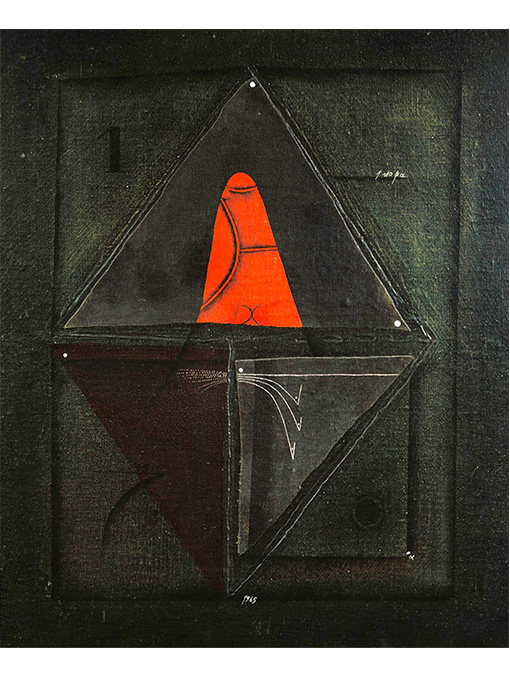
The exhibition Like a Dance of Starlings. MACBA Collection: Thirty Years and Infinite Ways of Being curated by Claudia Segura Campins and Núria Montclús presents around 200 works by around fifty artists who have marked the trajectory of MACBA. Among the prominent names, we find international and local figures who have explored different languages and techniques: Jean-Michel Basquiat, Samuel Beckett, Richard Hamilton, Dennis Oppenheim, Tony Oursler, William Kentridge, Francesco Clemente, George Condo, AR Penck, Matt Mullican, as well as fundamental artists from the Catalan and Spanish context such as Antoni Tàpies, Joan Miró, Modest Cuixart, Joan Ponç, Benet Rossell, Onofre Bachiller, Miquel Arnal, Tonet Amorós, Àngels Ribé, Amèlia Riera, Josefa Tolrà, Josep Uclés, Moisès Villèlia.
More contemporary and experimental proposals are also represented, such as those by Itziar Okariz, Elena Paredes, Julia Montilla, Planes Mònica, Dias & Riedweg, Evru/Zush, Sara Gibert, Guillermo Gómez-Peña, Silvia Gubern, Alicia Fingerhut, Vera Chaves Barcellos, Magda Bolumar, Antonio Beneyto, Josep Maria de Sucre, Rosario Zorraquín and many others. The exhibition puts these works into dialogue to build a journey that claims the concept of the hybrid subject and explores new ways of being and acting in the world, from the community, nature and the spiritual dimension.
MACBA and the Raval: art and urban life
Located in the heart of the Raval neighborhood, MACBA is much more than a museum: it is a symbol of urban transformation and a space where art, history and everyday life come together. The bright white building, designed by the American architect Richard Meier, has become an icon of contemporary Barcelona architecture and a meeting point for young people, creators and the curious from all over the world.
You may be
interested
...