Exhibitions
The Joan Brossa Foundation's Center for Liberal Arts inaugurates Say, Something. Joan Brossa and the Object Poems
The next exhibition in the cycle will open in the spring of 2025 and will incorporate new pieces by Joan Brossa, as well as works by other artists yet to be confirmed.
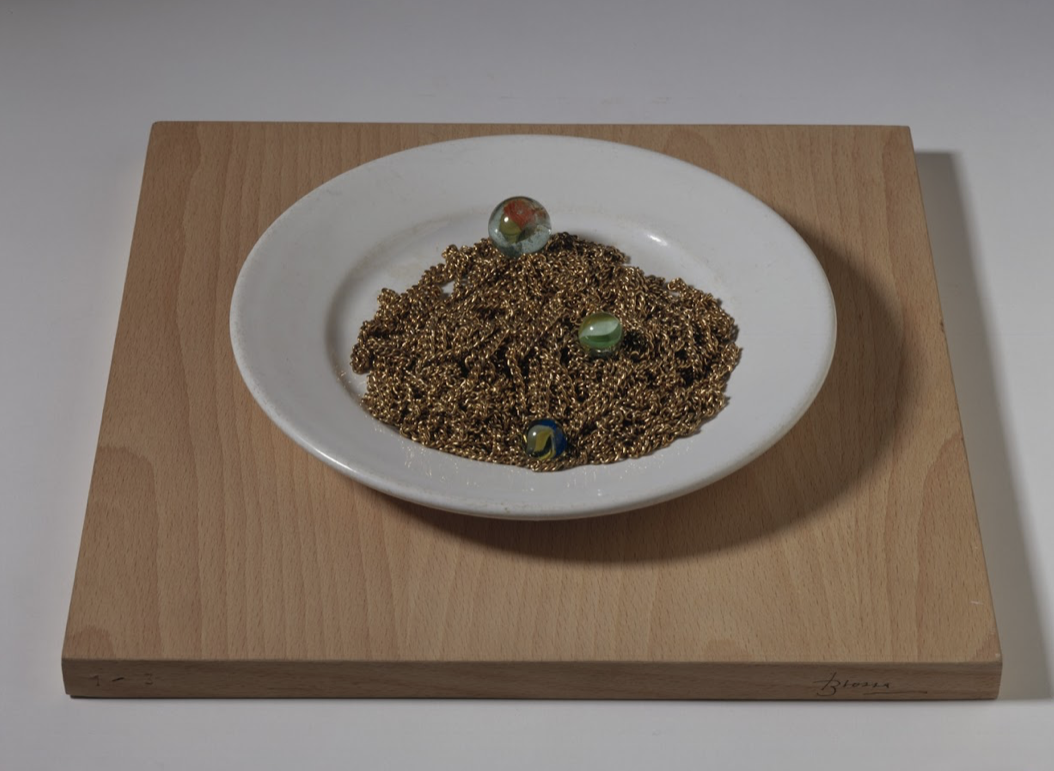
This Tuesday, November 4, the Center for Liberal Arts of the Fundació Joan Brossa in Barcelona inaugurates Digues, cosa. Joan Brossa and the object poems , the first chapter of a broad series of exhibitions dedicated to exploring the discursive and formal paths that have consolidated the arts of the object as a current of artistic creation and thought.
Curated by Marc Navarro, the project will run until June 27, 2027 and proposes a contemporary reading of Brossa's universe through the dialogue between his object poems and current artistic practices that work with tangible materials, forms and meanings. The cycle aims to highlight the capacity of the artistic object to generate thought and emotion, connecting Joan Brossa's avant-garde vision with new trends in conceptual and performative art.
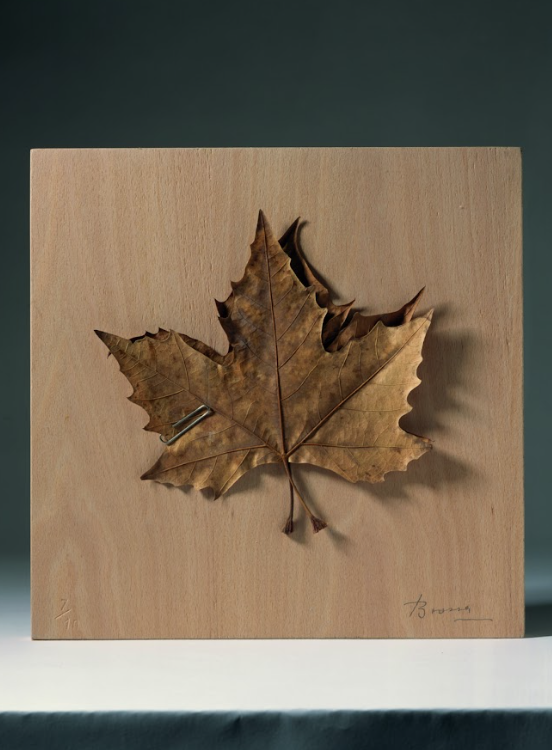
Joan Brossa, Bureaucracy, 1967.
Each of the exhibitions that make up the cycle offers a representative selection of object poems by Joan Brossa, placed in dialogue with works by artists who work at the crossroads between the object and language. The aim is not to trace a genealogy of Brossa's production, but to establish points of contact between creations and objects that, despite coming from different contexts and historical moments, share the same desire to reflect on the relationship between form, meaning and matter.
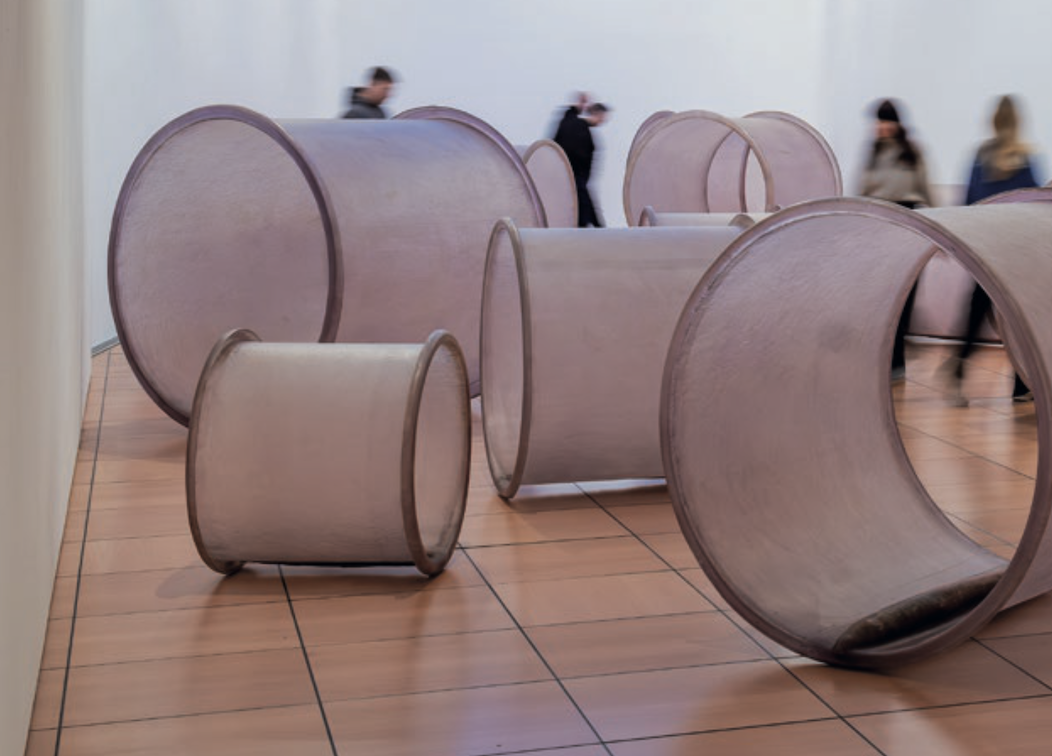
The project weaves a subtle dialogue between Joan Brossa's object poems and the gazes of artists who, like him, explore the limits between matter and word, between object and metaphor. The first exhibition of the cycle brings together sixteen works that resonate with each other: Brossa's pieces coexist with the proposals of five international creators —Denise A. Aubertin, Henri Chopin, Maria Loboda, Henrik Olesen and Rosemarie Trockel—, all of whom are driven by the same concern: discovering the poetry hidden in things.
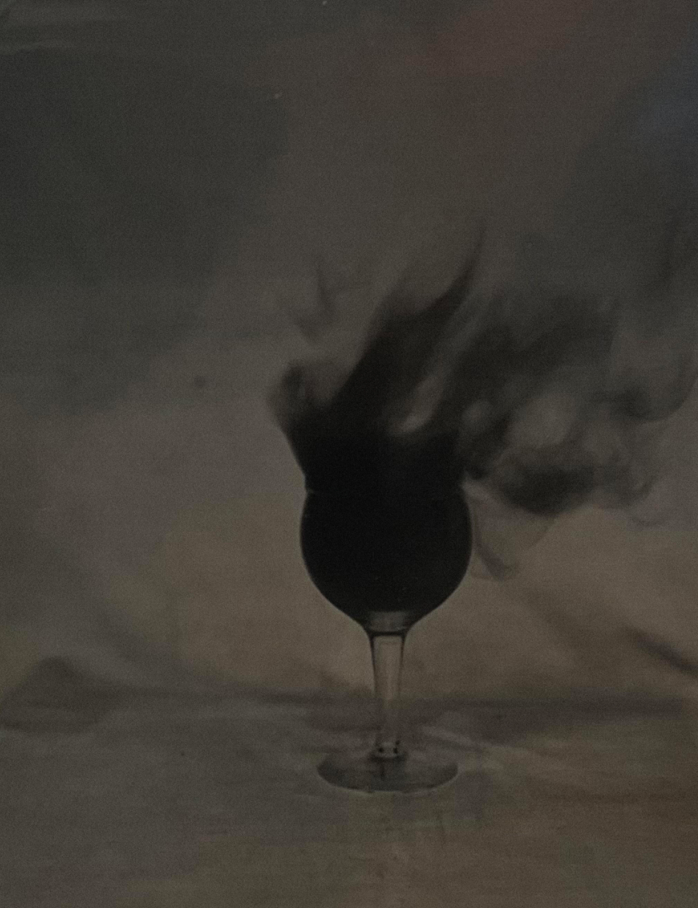
As curator Marc Navarro points out in the booklet that accompanies the exhibition, “the incorporation of everyday scenes, the oral record or the transcription of made-up phrases would form a kind of found language with which Brossa expressed his desire to bring the street into the poem”.
This language, spontaneous and without artifice, corresponds to the nature of the author's subject poems : fragments of reality converted into metaphor. The exhibition presents seven of them — Bureaucracy (1967), Rondalla (1988), Paperina (1986), Equinocci de primavera (1991), L'empleat (1989) and Rellotge (1994) — which dialogue with the works of other artists to open a window into the creative process of a poet who, as Navarro recalls, "does not distinguish a sonnet from an installation, an object from an action."
You may be
interested
...