
Exhibitions
Photography as memory: Pasqual Maragall captures time at the Toni Catany Center
From September 12 to February 1, 2026, exhibition 'The capture of time' with photographs by Pasqual Maragall.
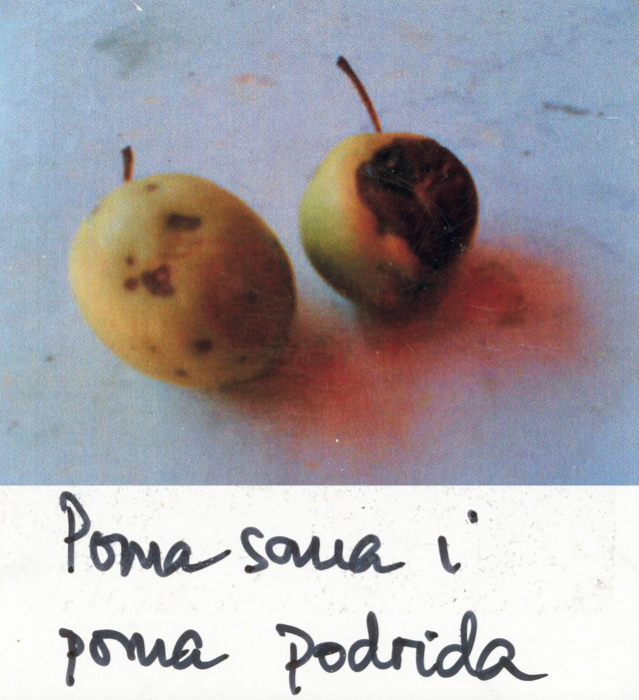
The Toni Catany International Photography Centre will inaugurate this Friday, September 12, the exhibition Capturing Time , which will be on view until February 1, 2026, with photographs by Pasqual Maragall, organized in collaboration with the Pasqual Maragall Foundation. The exhibition proposes a dialogue between photography and memory, taking as its axis the figure of Pasqual Maragall, a Catalan economist and politician diagnosed with Alzheimer's in 2007. The project invites us to reflect on the fragility of memory and the power of the image as a witness to what remains in time.
The exhibition establishes a bridge that reaches the year 2010, when the images that Maragall had taken with his Nokia mobile phone were recovered and to which they now add unpublished photographs. With that simple camera he captured moments of what he saw and felt, driven by the need to retain his own presence. The fragility of memory also entails an erosion of identity —both individual and collective—, and these snapshots become the gesture of someone who tries to stop, with images, his own forgetting.
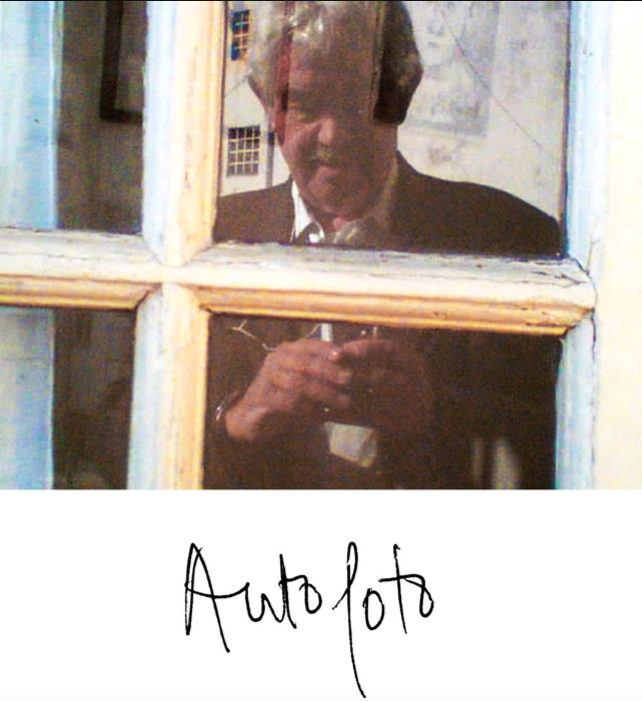
This temporary exhibition at the Toni Catany International Photography Centre in Llucmajor, curated by Teresa-M. Sala i Garicia, also evokes the friendship between Pasqual Maragall and Toni Catany. When Maragall was mayor of Barcelona, and with the desire to get to know the city from the perspective of his neighbors, he decided to spend a few days sleeping in the homes of some citizens. In 1987 he spent the night at Toni Catany's house, on Carrer Nou de la Rambla. The exhibition captures this encounter, marked today by the absence of one and the diffuse presence of the other, weaving a dialogue between memory, friendship and lost time.
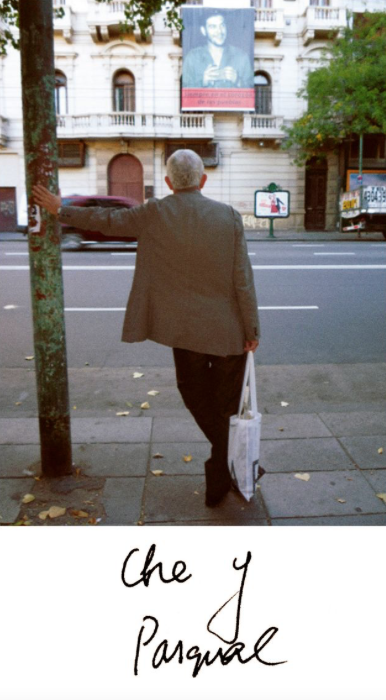
The images that make up the exhibition go beyond mere visual documentation: graffiti, landscapes, self-portraits and everyday scenes become fragments of a memory that Maragall wanted to preserve as an anchor for his identity and his existence in time. Each moment captured with his gaze, often humble and direct, reveals an intimate relationship with the world around him, as well as an attempt to retain what time threatened to erase. These photographs function as silent witnesses to a constant dialogue with oblivion, a deeply personal gesture that reflects the fragility of memory but also the strength of the will to preserve it. In them, the tension between the transience of moments and the need to leave a mark is perceived, as if each image were a small battle against the disappearance of memory, an act of perseverance that turns fragility into beauty and a lasting presence.
You may be
interested
...