
Editorial
Perplexity: what is happening at the Vila Casas Foundation?
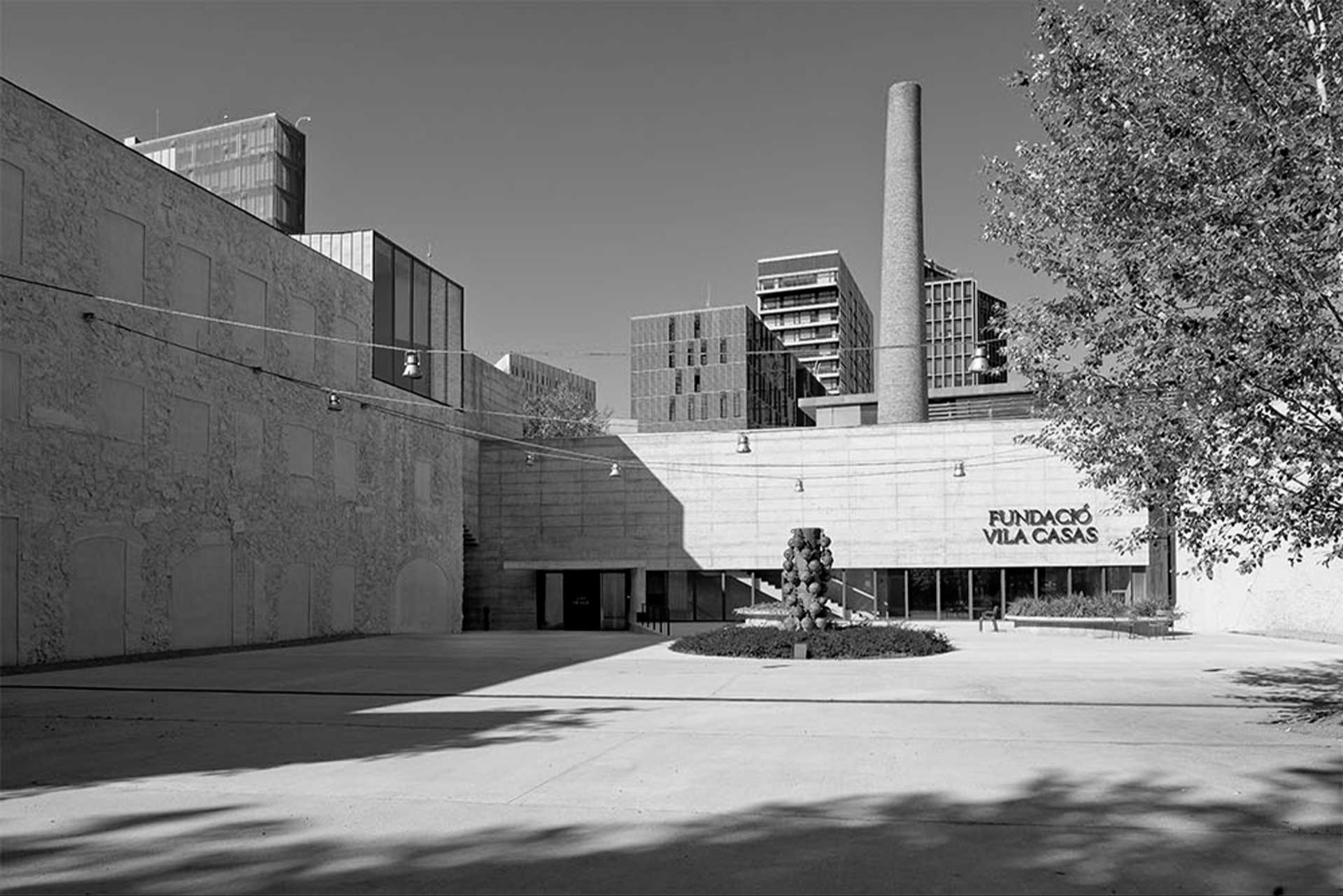
The Vila Casas Foundation has been, for decades, one of the most relevant private institutions in the Catalan artistic ecosystem. With an unquestionable strategic role, it has contributed to making the country's contemporary art visible, consolidating a network of museums and exhibition spaces that have become benchmarks inside and outside Catalonia.
In recent times, however, the institution has been going through a turbulent period. First came the resignation en bloc of part of the board of trustees and the board of directors —which included such prominent names as Antonio Sagnier, Joan Font, Artur Mas and Daniel Giralt-Miracle—, a warning sign that already announced profound changes. Now, with the departure of three very significant figures —Joan Torras i Ragué, general director and great-nephew of Mr. Vila Casas, with sixteen years of experience at the institution; Olga Garceran, financial director, with twenty-six years of dedication to the Foundation; and Natàlia Chocarro, art advisor to the Presidency and director of the Punts de Fuga program, with twenty-six years of experience— the situation has become even more delicate. All three have lived and worked intensely for the Foundation, contributing time, knowledge and complicity.
Changes, it is clear, are part of the life of any institution. Renewals are necessary and often essential. However, the way in which these transitions are managed is key: it leaves a bitter aftertaste both among the institution's own people and among external observers. This is not about questioning the legitimacy of the changes —every management has the right and duty to make decisions— but rather about remembering that, especially in the cultural world, forms are also the substance. The Vila Casas Foundation, with all its symbolic and strategic weight within the Catalan cultural fabric, deserves a calm debate about its future.
On a date like September 11, which always had a special meaning for Antoni Vila Casas, this reflection becomes even more necessary. Antonio, as many of us who knew him affectionately called him, who identified with the national project of Catalonia, would have experienced with special sadness these vicissitudes and these ways of doing things so different from his nature. Some, it must be said, also the result of the fact that Vila Casas himself, perhaps, did not leave the succession, nor the future of the institution, well resolved.
Therefore, what is at stake is not only the continuity of a foundational project, but also the way in which the country takes care of its institutions, its contemporary heritage and those who have dedicated a good part of their lives to it.


You may be
interested
...