Exhibitions
Pedro Orrente: Biblical naturalism in Spanish Baroque painting at the Museum of Fine Arts of Valencia
Despite being often forgotten, Orrente is vindicated here as a bridge between Baroque Spain and Italian influences.
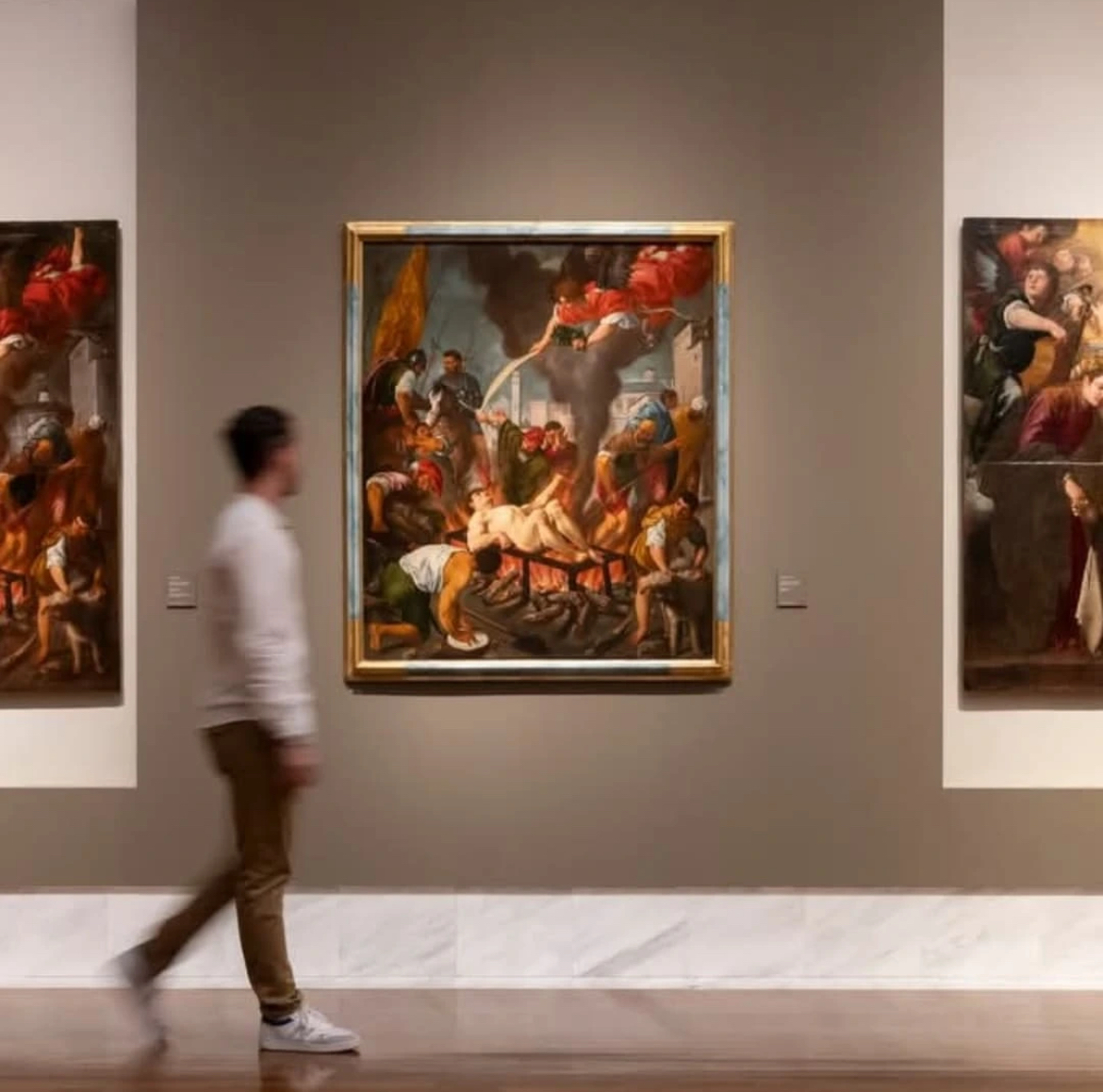
A unique opportunity to delve into the universe of one of the great masters of the Golden Age. The exhibition dedicated to Pedro Orrente offers visitors a journey that combines the sensitivity of restoration with the richness of historical contextualization, showing from intimate drawings to monumental works that reveal the full magnitude of his artistic legacy.
Exhibition entitled Pedro Orrente. An itinerant artist in Spain of the Golden Age that can be visited until July 12 at the Museum of Fine Arts of Valencia with curatorship by José Redondo Cuesta is the first monographic exhibition dedicated to the painter Pedro Orrente (Murcia, 1580 - Valencia, 1645). Orrente's pictorial language is built on a personal synthesis of multiple aesthetic influences from diverse traditions, currents and masters. Within this heterogeneous universe, it is Venetian painting that becomes the fundamental pillar of his work, especially due to the link and artistic debt that he maintains with the Bassano lineage.
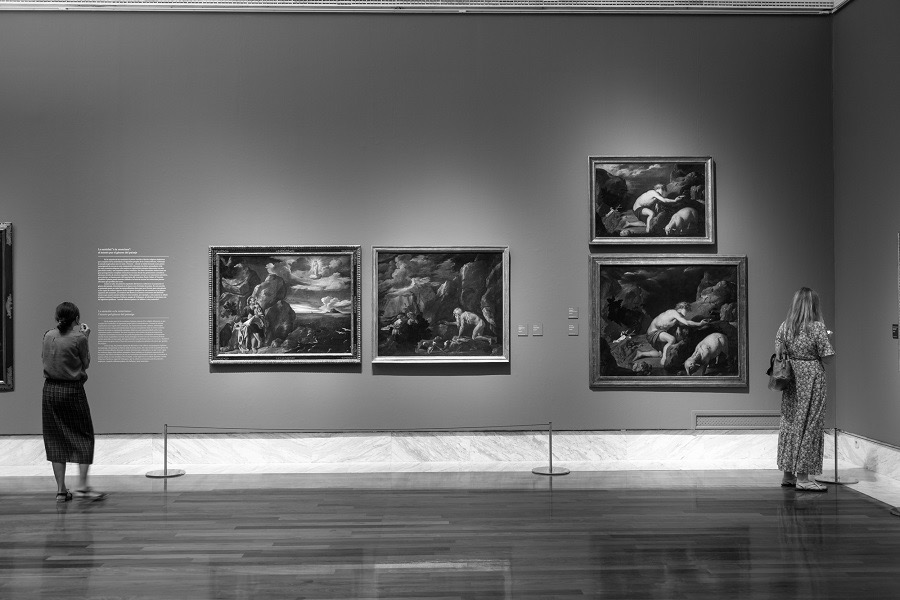
Composed of 56 works, 46 of them by Orrente and the other 10 include artists such as El Greco, Paolo Veronese or the Ribalta brothers. The exhibition is organized into seven areas that guide the visitor from the influences that marked Orrente to his creative processes and drawing techniques. The show also includes a selection of fifteen drawings and sketches, mostly from the National Library, some of which are exhibited next to the final paintings to reveal his working method and the creative process.
Pedro Orrente is considered one of the great painters of the Spanish Baroque, especially recognized for his ability to integrate naturalism with religious themes. His work reflects a deep influence of Venetian art, especially the painters Titian, Tintoretto and, above all, Bassano, whom Orrente met during his stay in Italy. This influence is manifested in the use of warm colors and the inclusion of animals and everyday elements within sacred scenes.
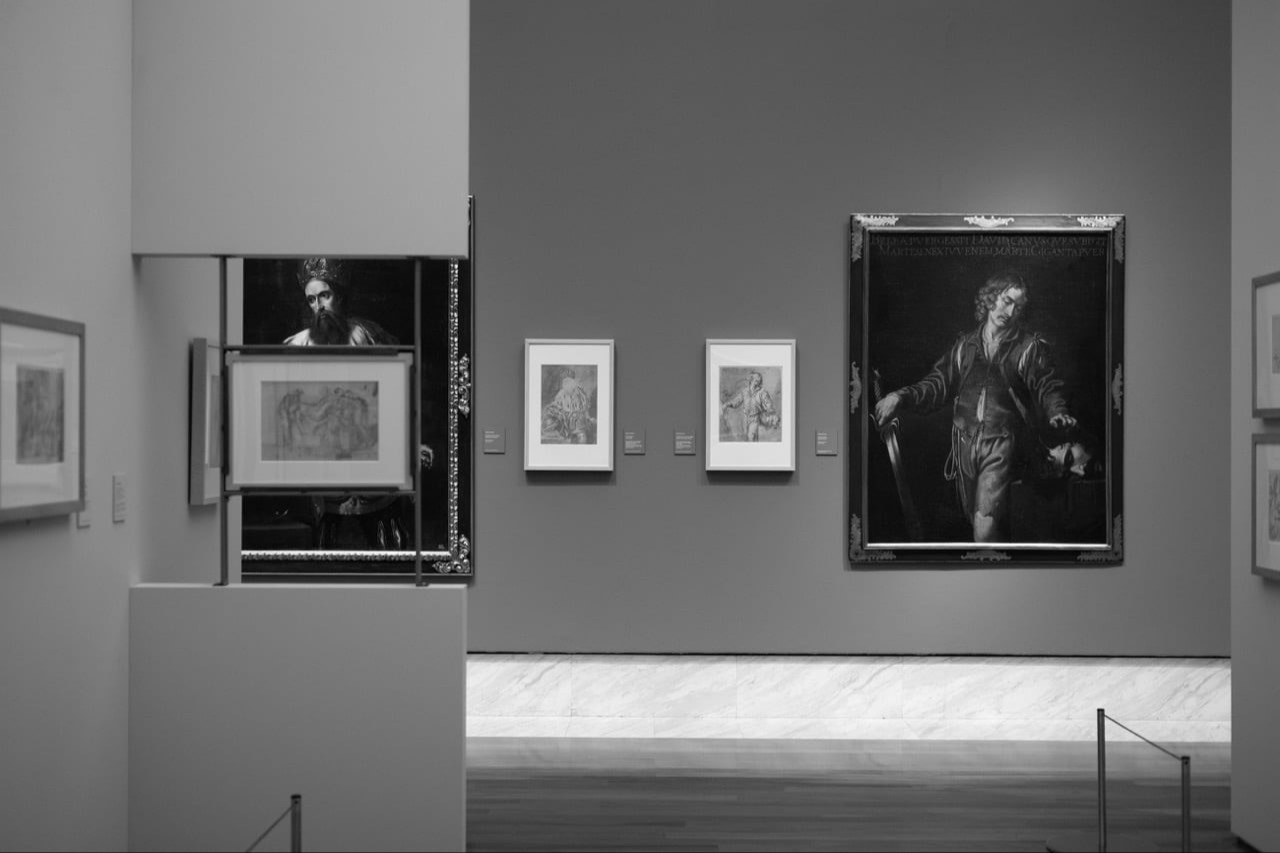
The theme of his painting revolves mainly around the Bible, with scenes from the Old and New Testaments. Orrente gives landscapes a leading role, transforming them into narrative scenarios full of realism. His paintings often feature flocks, shepherds and animals, creating a connection between everyday life and the sacred. The use of chiaroscuro and the dramatization of the scenes add depth and expressiveness, combining naturalism with elements close to tenebrism. Most of his production was intended for convents and churches in cities such as Valencia, Toledo and Madrid, contributing to the spread of an innovative style within Spanish religious painting of the 17th century.
You may be
interested
...