Exhibitions
Sound and vision
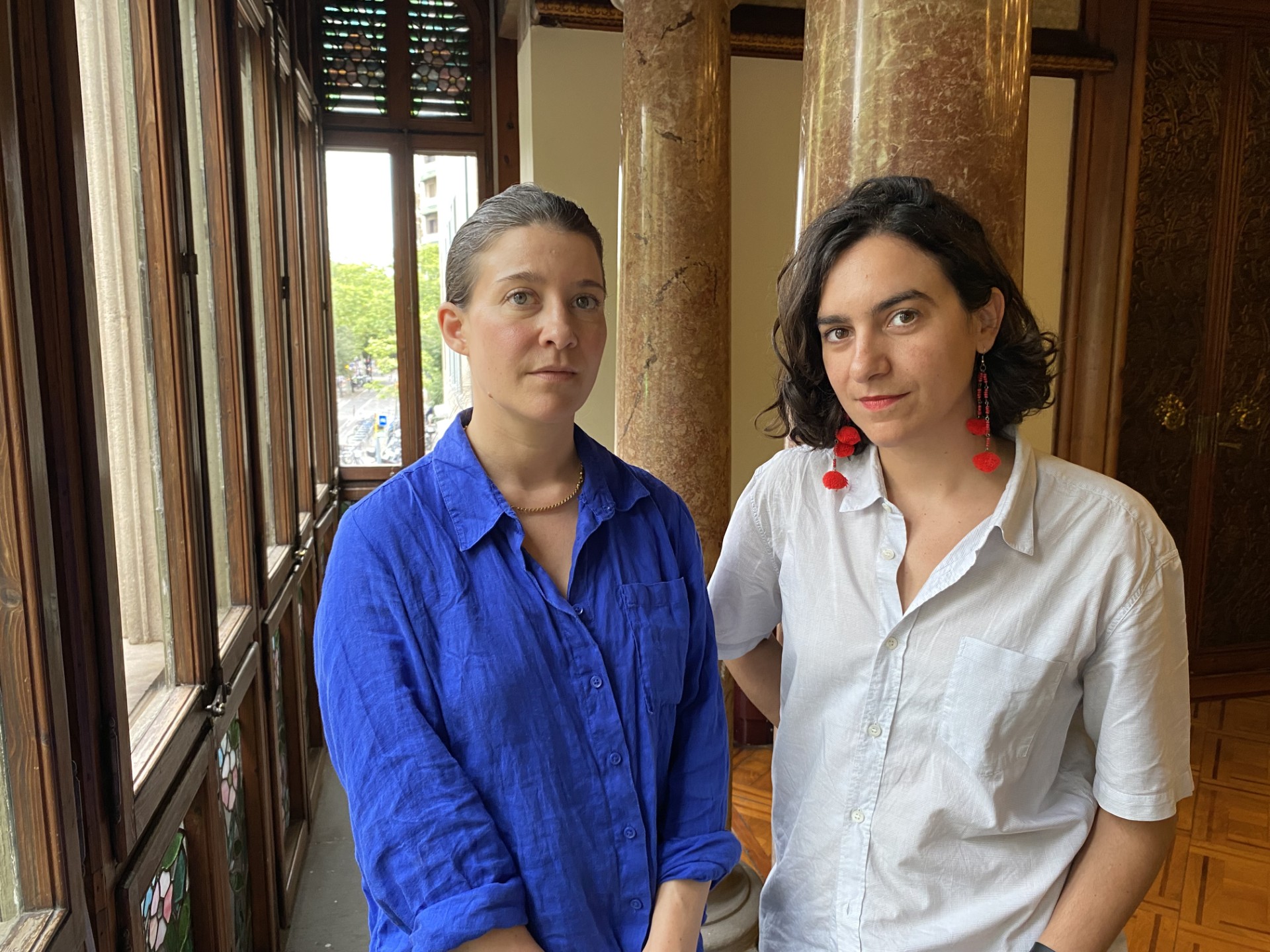
The Horizon Gallery is located in Colera, Alt Empordà and is directed by Silvy Wittevrongel, a Belgian gallerist, and Ralph Bernabei, an artist from New York. Despite the difficulties and being on the outskirts of the artistic epicenters, they open the Gallery every summer and are an example of continuity, which is why the motto they have used since their 30th anniversary is Still Rock'in. That is, still "rocking", still being energetic, active and enthusiastic despite the passage of time or circumstances.
Every summer they open the Gallery on time and when the exhibition is collective they propose a conceptual theme that, together with the magazine they publish under the name of “Outer Horizons“, configure the ideological and aesthetic line of the gallery. Some of these guidelines are that: art unites, not builds walls, builds bridges and establishes “links” between different aspects of art and a background of indefinite spirituality. This idea of establishing links is confirmed this season with the motto of SOUND AND VISION.
All the artists selected for the exhibition have some particular interest in the dialogue between sound and image, it is about exercising the synesthesia faculty of putting the ear and the eye into operation at the same time. The relationship between sounds and colors creates emotional and aesthetic associations and even neurological phenomena. Sounds can influence the perception of the eye and vice versa, creating a fruitful interaction between hearing and visual perception. A common expression of Ralph Bernabei is “Fair chanter l´espace”, make the space sing is the same idea that reaffirms the interest that synesthesia has for this artist and gallerist.
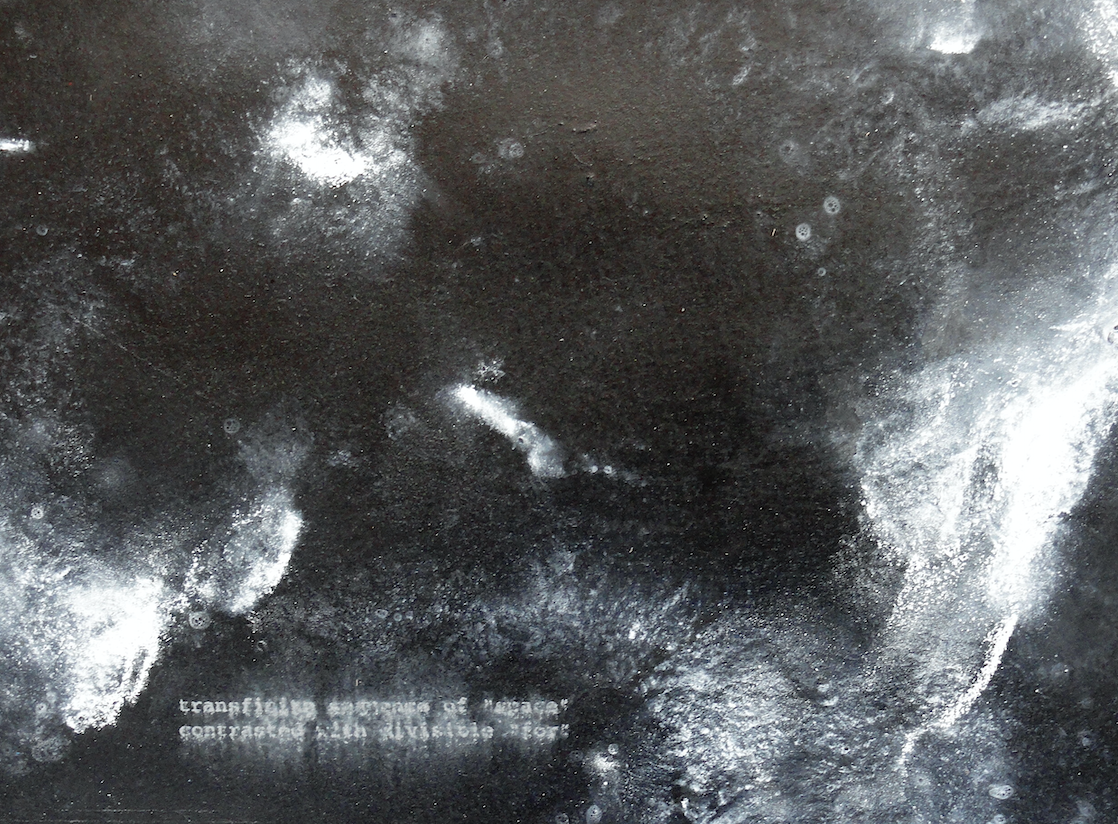
Edvard Lieber American artist, very interdisciplinary as he is so well known for his work as a concert pianist and composer, as well as a visual artist. Also as a documentarian, given his proximity to Willem de Kooning, Leonard Bernstein, Robert Rauschenberg, Tennessee Williams, Andy Warhol, John Cage and Liv Ullmann which made it easy for him to make a documentary recording full of images and sounds. Here we see a kind of abstract photograms.
Mariko Kumon, a Japanese artist living in Barcelona, uses the lines of the skin as vibrations, with different rhythms, zigzagging like a visual image made with skin and which seems to be the material record of a voice or a sound that we cannot hear.
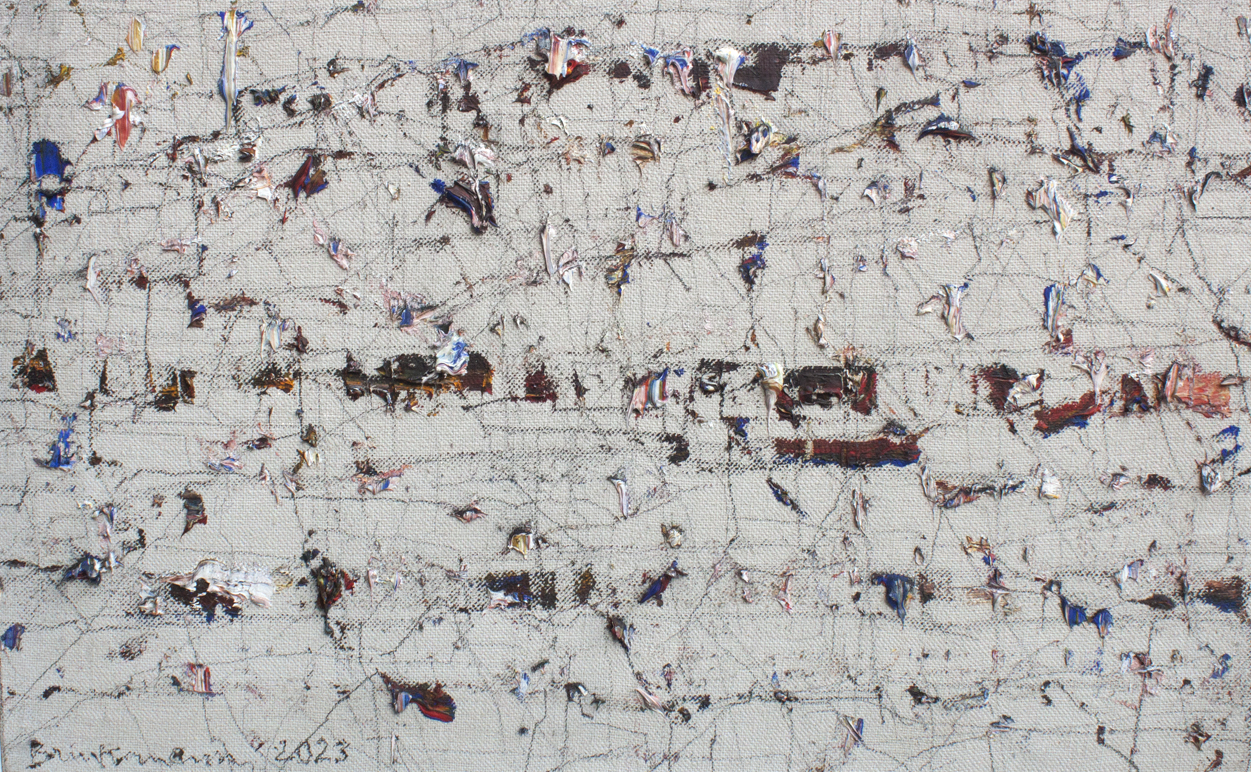
Enrique Brinkmann, it is always pointed out that his paintings with dots and rhythms, with subtle threadlike meshes, look like musical scores. In short, as has been said of him, they are “Pentagrams to feel / Cartographies to think”.
Evarist Vallès after several stages accessed abstraction, with linear and descriptive compositions. But finally he created a very personal abstraction. He paints infinite backgrounds and atmospheres with extensive colors with small black and white tesserae.
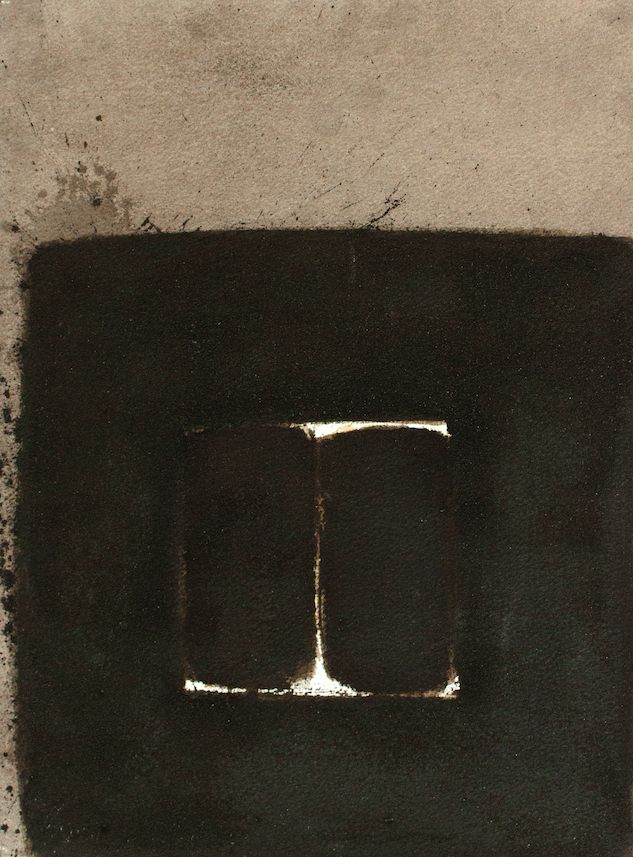
Enric Ansesa, the artist from Girona with his poetics of darkness, uses in this work a kind of black and silent night in which infinite points appear as sounds in space, creating a fabric, regular constellations.
German artist Romain Finke uses abstraction as he calls a 2011 series “In a Silent Way”. He achieves this silence of color by using, for example, pure sulfur instead of yellow pigments, as in the alchemist’s kitchen. His form of abstraction wants to rethink the nature of perception.
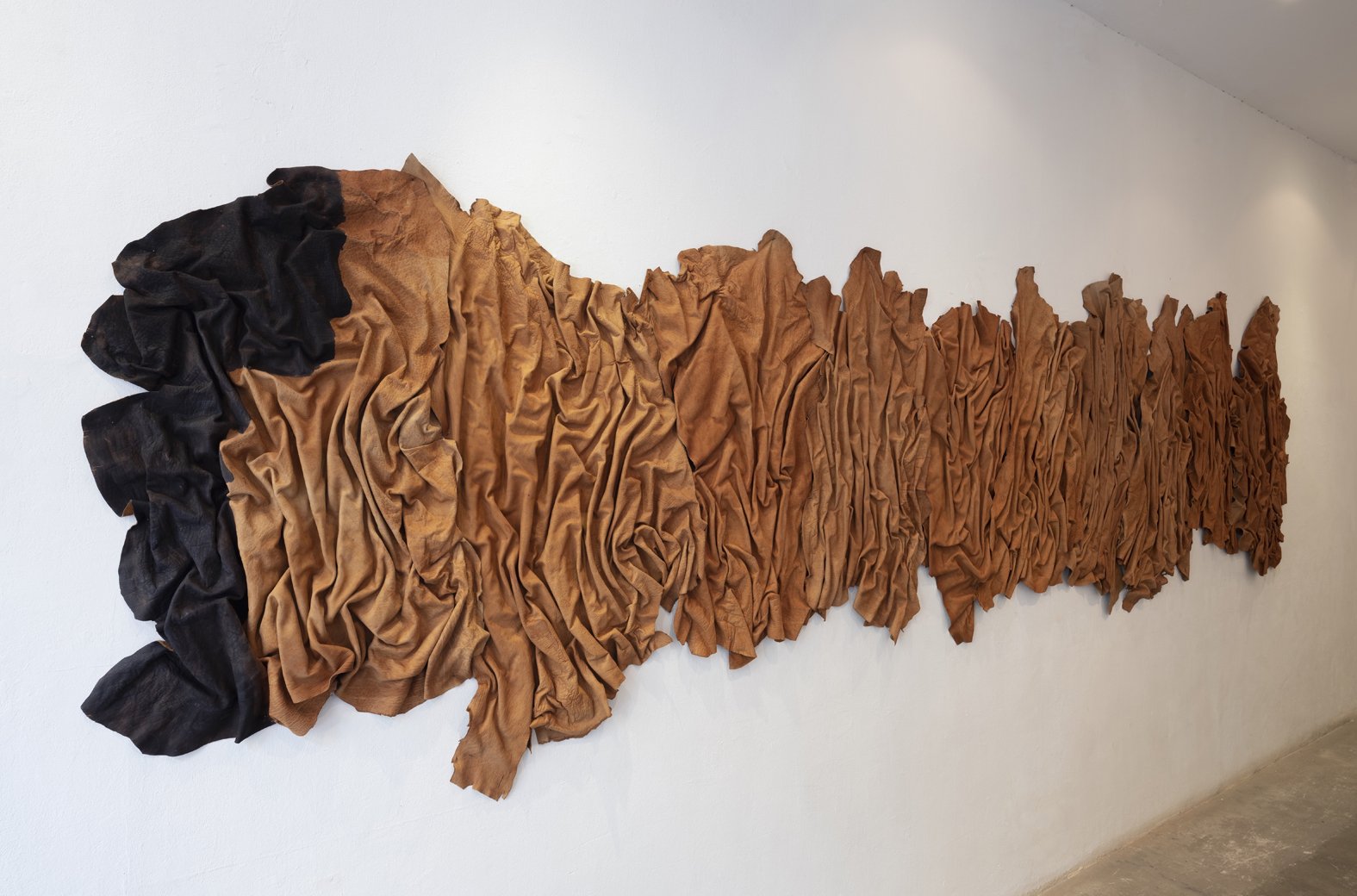
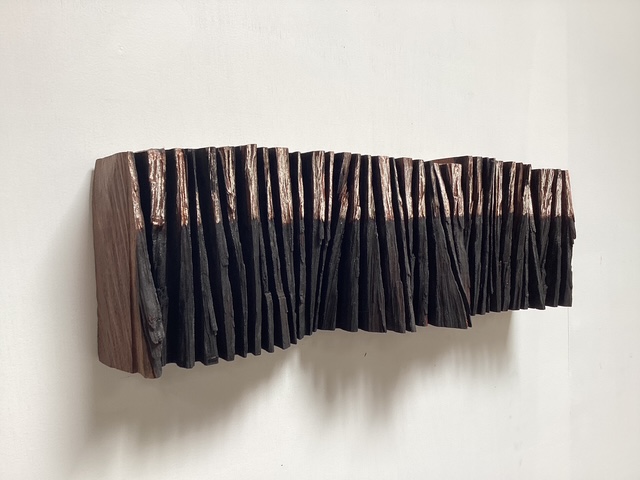
Jo Van Rijckeghem, Belgian artist creates multilayered constructions, superimpositions of waste materials, unites, makes connections, “links” very diverse waste materials as an “assemblage”. He creates a visual sonority of transformation of materials based on layers.
Carme Pardo in the hall sheet writes that: “the French Jesuit Louis-Bertrand Castel (1688-1755), inspired by Athanasius Kircher's Musurgia Universalis (1650), announced in the Mercure de France (1725) his intention to build an ocular harpsichord, establishing a direct relationship between the seven colors of the rainbow and the seven notes of the scale, this physicist and mathematician intends to illuminate with the ocular harpsichord, the harmony that is hidden in the universe”.
In short, I note the interest that this Gallery has shown in improbable relationships, in what I have called "synesthetic links" in previous exhibitions such as "Seeing the Word" or "Touching the Image". In this same sense, the current proposal in which SOUNDS AND IMAGES are related can be interpreted. This longing for relationship is perhaps, as Carmèn Pardo says, nothing other than the "search for the harmony that is hidden in the universe" and which I add: it puts into relation to all things through art.


You may be
interested
...