Exhibitions
Xevi Bayona intervenes in the Mies van der Rohe Pavilion
A dialogue between two seemingly opposing views that nevertheless share the fact of questioning the ways of inhabiting a space is the new exhibition at the Fundació Mies van der Rohe.
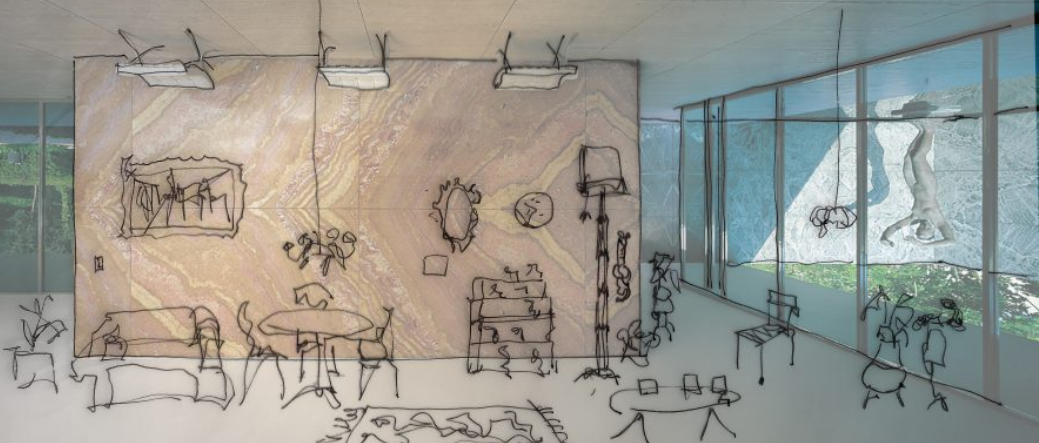
The Godmother and the Domesticity is an artistic intervention created by the artist and architect Xevi Bayona at the Mies van der Rohe Pavilion in Barcelona. The project The Godmother by Xevi Bayona is an artistic installation loaded with personal and emotional meaning. The name refers to Josefina Camó Valls, known as Pepi, who was the artist's aunt and godmother. This work becomes an intimate tribute, but also a collective reflection on memory, everyday life and domestic life.
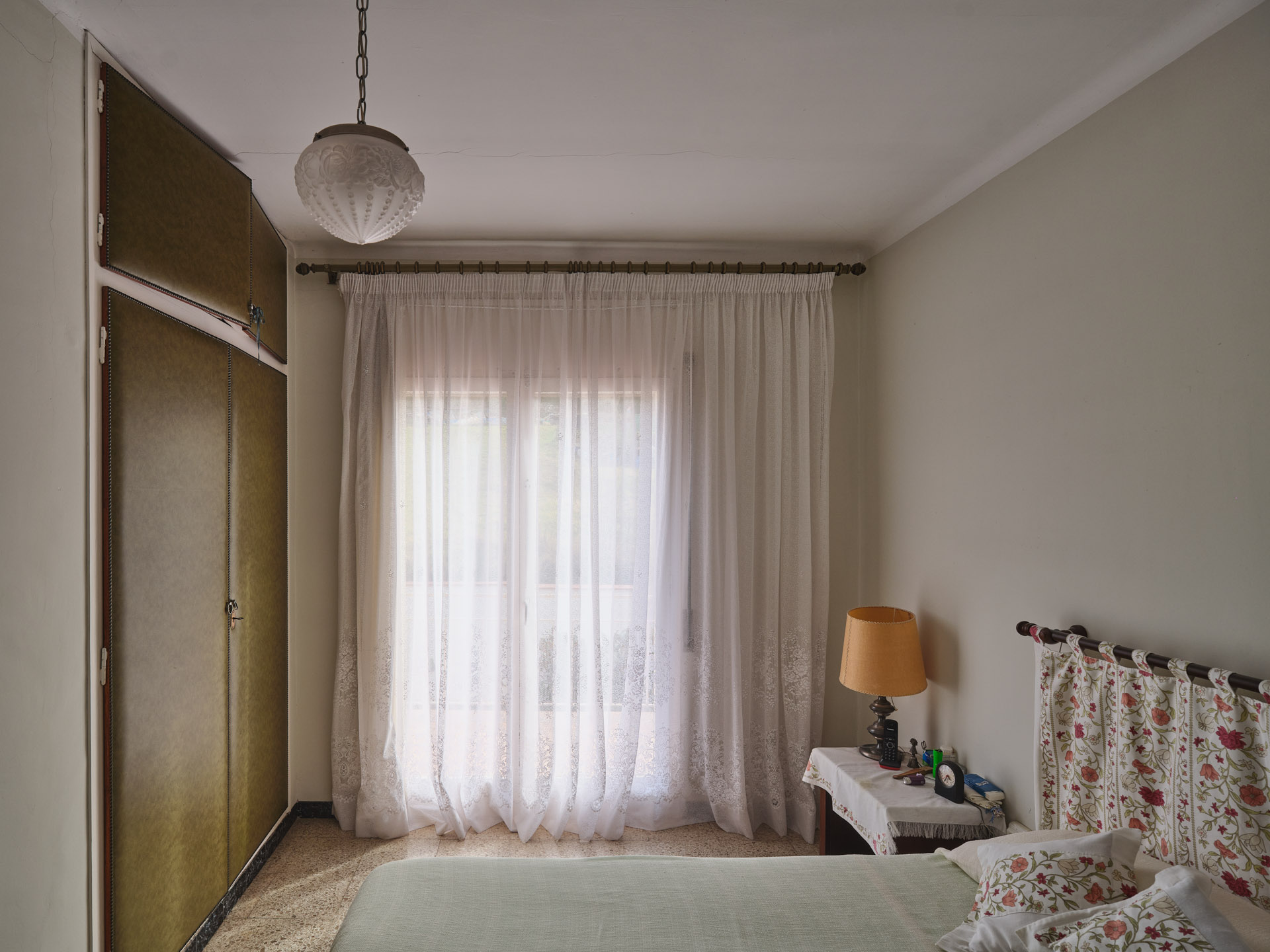
Trial of The Godmother and the belongings of Xevi Bayona's domesticity
This creation can be seen until August 17th where objects such as the bed, lamp, coat rack or a set of table and chairs will sit on the ceiling of the iconic Barcelona pavilion as if it were an invisible city. Starting from the question, what domesticity can the Pavilion have, Bayona moves these objects in a poetic and provocative act where the reflection on domesticity, space and memory remains.
The Godmother is not only a personal tribute; it is also an invitation to look inward, to recognize in the humblest objects the capacity to tell stories, to retain time, and to weave identities. In a fast-paced world that tends to forget, the work invites us to stop and listen to what still resonates in things.
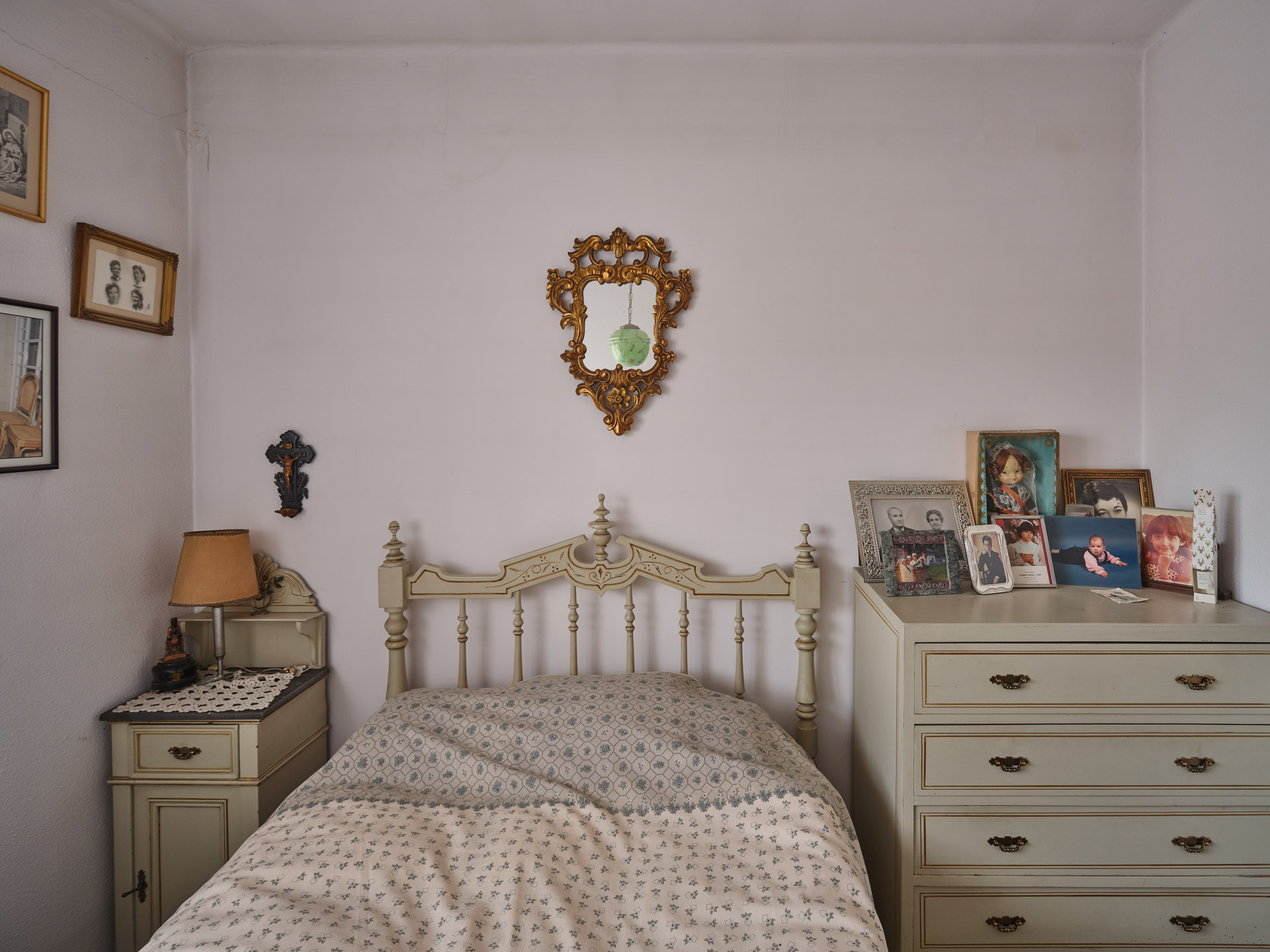
Trial of The Godmother and the belongings of Xevi Bayona's domesticity
Empty and naked, a contrast of everyday objects, we move on to the construction of a horizontal composition full of gazes, symbolic divisions, readings from top to bottom. Xevi Bayona creates a temporary move to inhabit the Pavilion.
Xevi Bayona Camó is an architect and creator based in Olot, specializing in projects that intersect architecture, art, landscape and ephemeral installations. Bayona is committed to experimentation, reflective criticism, emotion and interpretation and interdisciplinary synergies.
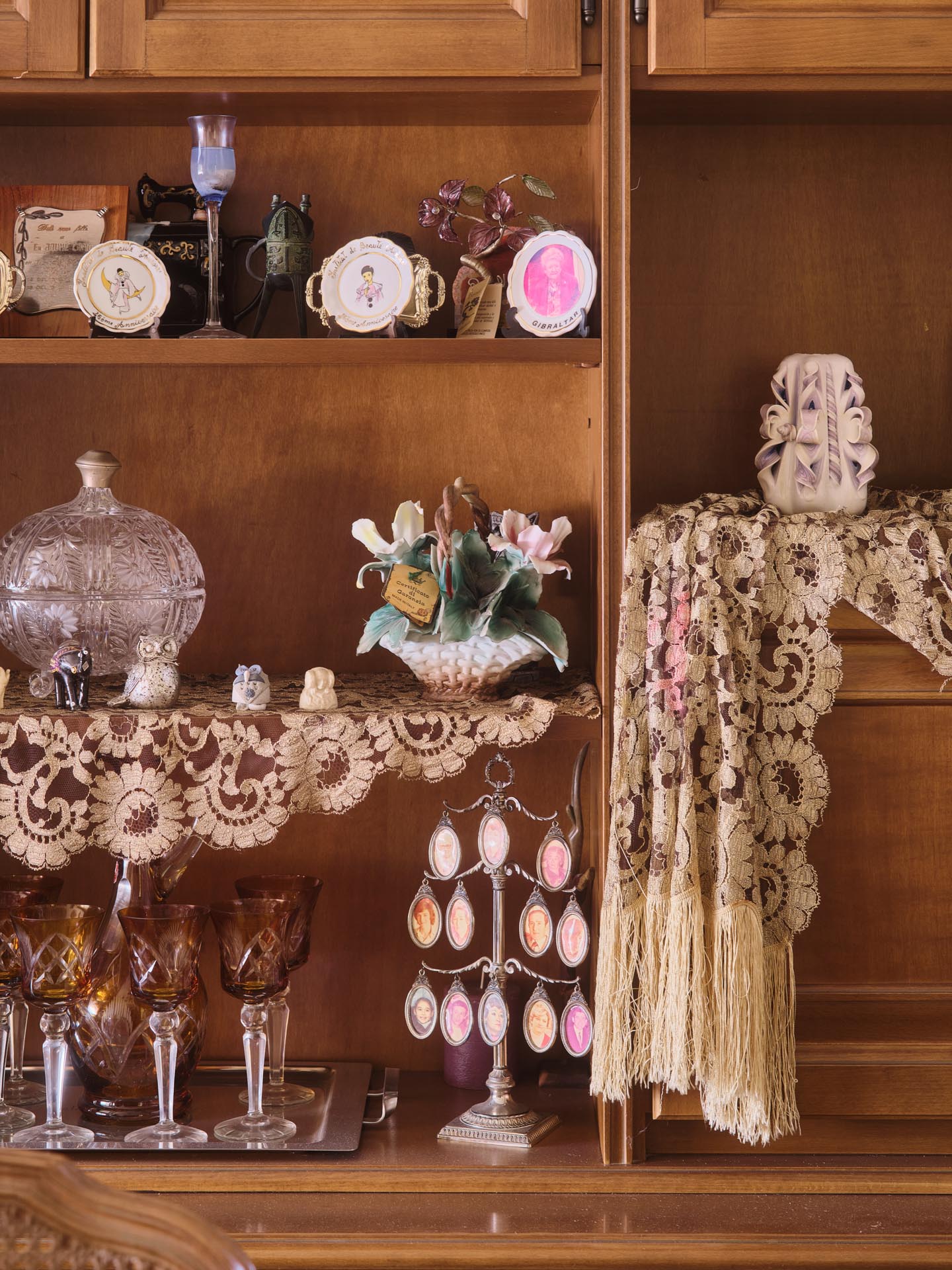
Trial of The Godmother and the belongings of Xevi Bayona's domesticity
The program of interventions of the Mies van der Rohe Pavilion
The interventions carried out in the Mies van der Rohe Pavilion constitute a unique proposal within the city's cultural panorama. Beyond being simple exhibitions, these artistic and conceptual actions become lively and dynamic responses to the Pavilion's iconic architecture, activating its meaning and renewing its validity.
Conceived from multiple disciplines —from art and architecture to performance, light and installation—, the selected proposals establish critical and sensitive dialogues with the space. They are current readings that, from expert knowledge and a creative perspective, highlight the heritage value of the Pavilion as a place of ideas, reflection and experimentation.
This program of interventions not only reactivates the space, but also consolidates the Pavilion as a living stage, open to new narratives and contemporary perspectives that question, celebrate and expand its architectural legacy.
You may be
interested
...