Editorial
The video art that MACBA censored by Eulàlia Grau
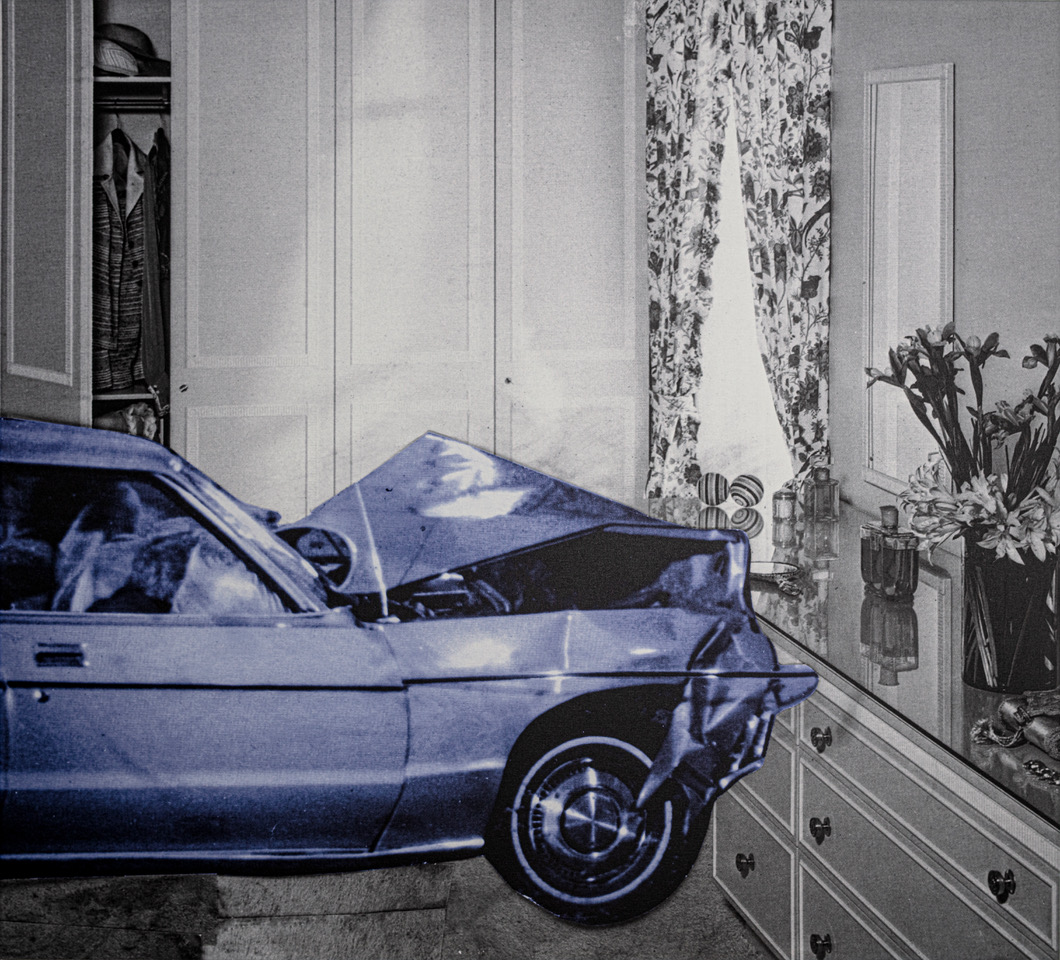
I have known the artist Eulàlia Grau Donada for a long time, recognized by half the world, a Terrassa native to whom this city of Catalonia has never paid any attention, those rather inexplicable things about our small, great country. I have known her since I made her the cover of bonart issue number 162, December 2013 -the same year of her extraordinary retrospective at MACBA-, and since then I have been seeing her entire immense world. Now, years later and thanks to the Ministry of Culture of Andorra we have been able to organize another and different anthological exhibition for her. We did it in the exhibition hall of the Government of Andorra and it can be seen until October; an exhibition that makes institutional carpets tremble. Eulàlia Grau: an ethical commitment is an exhibition that reflects an essential artist for understanding the visual arts as a tool of social criticism and political agitation, not as neutral decoration, a legitimate but not essential function of art.
For the first time, six of his video art works have been shown together, pieces that had hardly ever come out of the drawer and that now, on screen, show the same corrosive irony and the same irreverent gesture that characterizes his entire career. Grau does not film to entertain: he films to make people uncomfortable, to ask himself (and ask ourselves) why the world is the way it is, and why it often seems good to us that it continues to be that way. A montage that relates works from the past and present to search for complementarities and narrative and visual movement in the exhibition discourse.
The exhibition also recovers some of his best-known works, such as that piece censored in the exhibition that MACBA dedicated to him in 2013 , entitled "Me gustaría morir en un lugar donde nadie me viera. María", 2011-2012 (yes, even contemporary museums, so progressive when appropriate, have a light hand with the scissors if the content offends according to which susceptibilities). Well, in Andorra, this work can be seen in its entirety and is poignant and advances how all the politicians, bankers and corrupt monarchy have ended up sentenced in the courts. Was it a premonition? Was it an anticipation? The truth is that it was and that this exhibition could be seen thanks to the courage and institutional support of the Andorran technicians and the Minister of Culture, who experienced with perplexity, a few months ago, how an exhibition was censored, in a room of the Caldes-Engordany commune, of the Museum of Prohibited Art; by the way! a museum that has recently closed the curtain on its Barcelona space, but which will continue to work in a different way.
The exhibition is a bath of reality: press clippings, manipulated images, scenes of everyday life where structural violence is revealed with the same clarity with which other artists depict vases with flowers. Grau dissects power, inequality, social hypocrisy and capitalist window dressing with an almost scientific coldness, but also with a poignant humor. It is art as a weapon loaded with lucidity. There are video arts like "Bitllo, Bitllo" that highlight the barbarity of mass tourism on Everest or "Smart consumption", how exacerbated consumerism collapsing the system.
In Andorra, a space has opened up to see, think and, if necessary, laugh nervously. Because, as the artist herself says, the only thing you can't afford to do is look the other way.
You may be
interested
...