Exhibitions
Eli Cortiñas questions the power of images
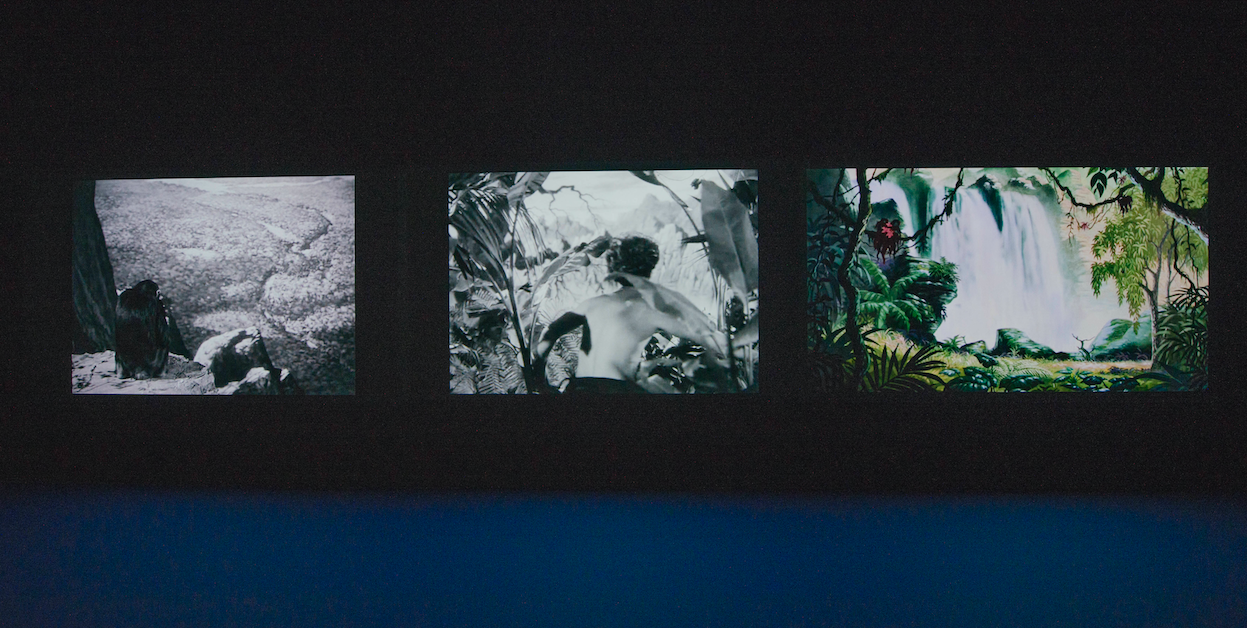
Images not only show the world: they also contribute to constructing it. They determine what we see, establish forms of representation, and can reproduce, more or less explicitly, certain power relations. This is one of the issues explored in *The Machine Dreams of Smoke* , the new project by Eli Cortiñas presented at the Reina Sofía Museum in Space 1, a proposal that delves into the relationships between cinema, history, museums, and new technologies to uncover some of the colonial mechanisms that have conditioned our way of understanding and representing the world.
The exhibition stems from research Cortiñas has been developing for over two decades on the visual regimes under which we live. Her artistic practice analyzes how images teach us to see and how, at the same time, they can contribute to naturalizing certain power structures. In this project, the history of cinema becomes a space for critical revision in which fragments, references, and imaginaries from different cinematic traditions come into conflict.
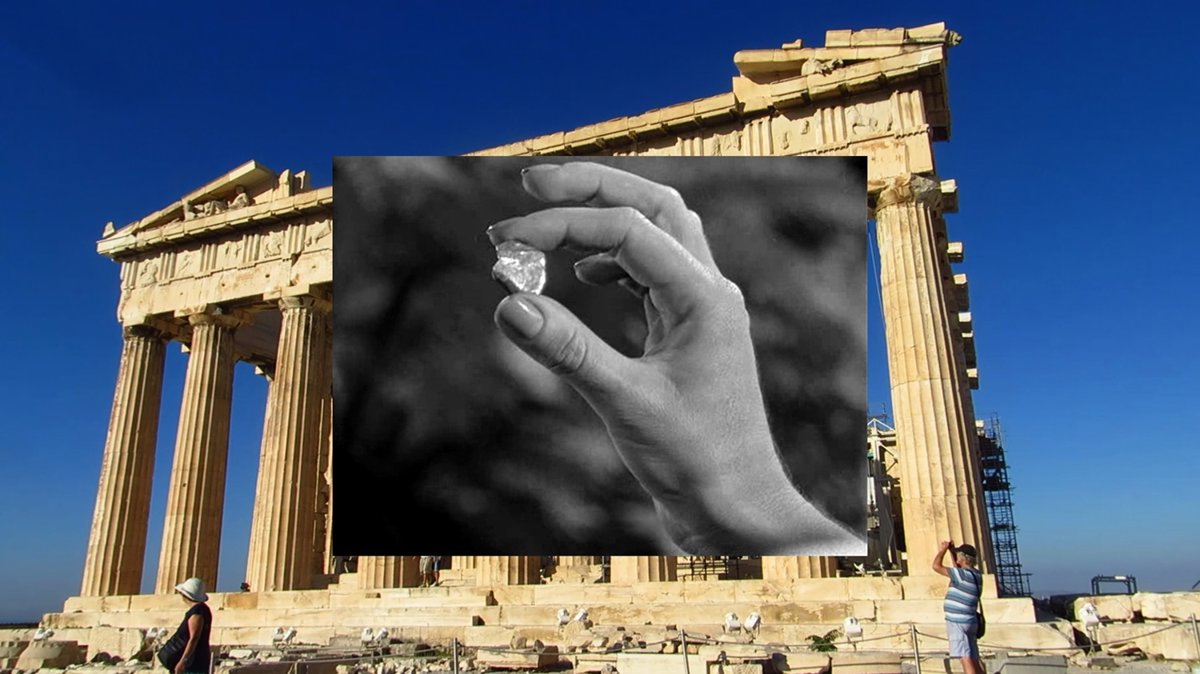
The proposal unfolds through two installations that establish a relationship between the moving image and the spatial and sculptural dimension. The first piece is a ten-minute video projection conceived across three screens. Cortiñas uses fragments from early Tarzan sound films and other adventure productions particularly present in the popular imagination, such as Jurassic Park and Star Wars . These images are subjected to a new interpretation that reveals the colonialist narratives present in much of the imagery constructed by the Hollywood film industry.
The montage, however, introduces other cinematic traditions that challenge or displace these imaginaries. Among them are anticolonial cinema and, specifically, The Return of an Adventurer by the Nigerien filmmaker Moustapha Alassane. The contrast between these representations generates a tension that prevents a linear reading of the images and reveals how different cultures have been represented, appropriated, or situated within a particular visual hierarchy.
This cinematic dialogue is further enhanced by the presence of a Greek Acropolis under construction, another element that contributes to questioning traditional narratives about history, civilization, and heritage. The combination of these visual sources creates a space of friction in which images cease to function as mere documents and become objects of analysis.
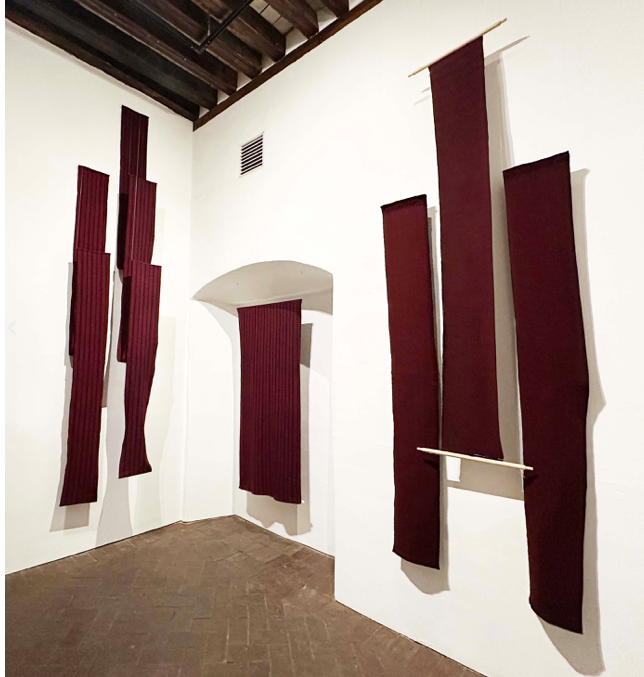
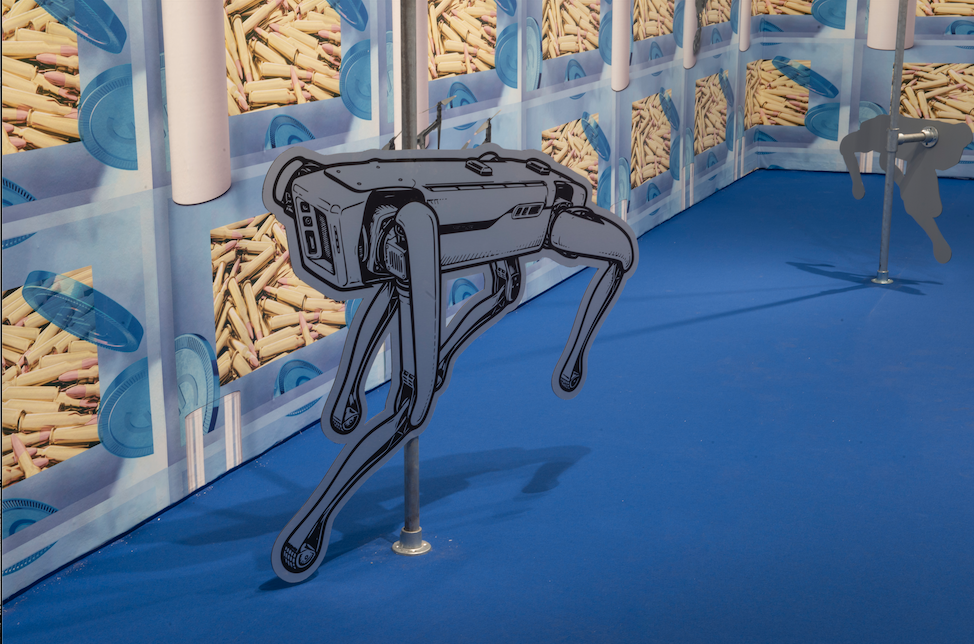
The second part of the exhibition adopts a spatial and sculptural dimension, extending the reflection beyond the screen. In this way, Cortiñas proposes understanding the image as a device that not only operates within the cinematic realm, but also forms part of the systems of knowledge, classification, and representation associated with museums and new technologies.
In this sense, the project revisits the video work The Most Given of Givens ( 2016), recently added to the Reina Sofía Museum Collections. Its inclusion in this new project establishes a continuity between different phases of the artist's research and delves deeper into a line of work focused on the construction of visual narratives and the mechanisms that determine what is considered visible, representable, or legitimate.
Cortiñas's research, therefore, is not limited to questioning specific cinematic images. Her interest lies in a broader sphere: analyzing the systems that produce images and the ways of seeing that they convey. As the artist herself explains, this is research she has been developing for over twenty years on the "visual regimes" under which we live and operate, both in the West and in other contexts.
"What has always interested me is how images teach us to see, how they construct our gaze, but also how they teach us to accept power relations," Cortiñas points out. This statement summarizes one of the key aspects of The Machine Dreams of Smoke : shifting attention from what the images show to the structures that make that representation possible.
The Machine Dreams of Smoke is also the second exhibition film project presented at Espacio 1, as part of the Reina Sofía Museum's ongoing efforts to showcase its video collection. The exhibition will be open from September 23, 2026, to March 8, 2027.

You may be
interested
...