Exhibitions
Matter, body, trace
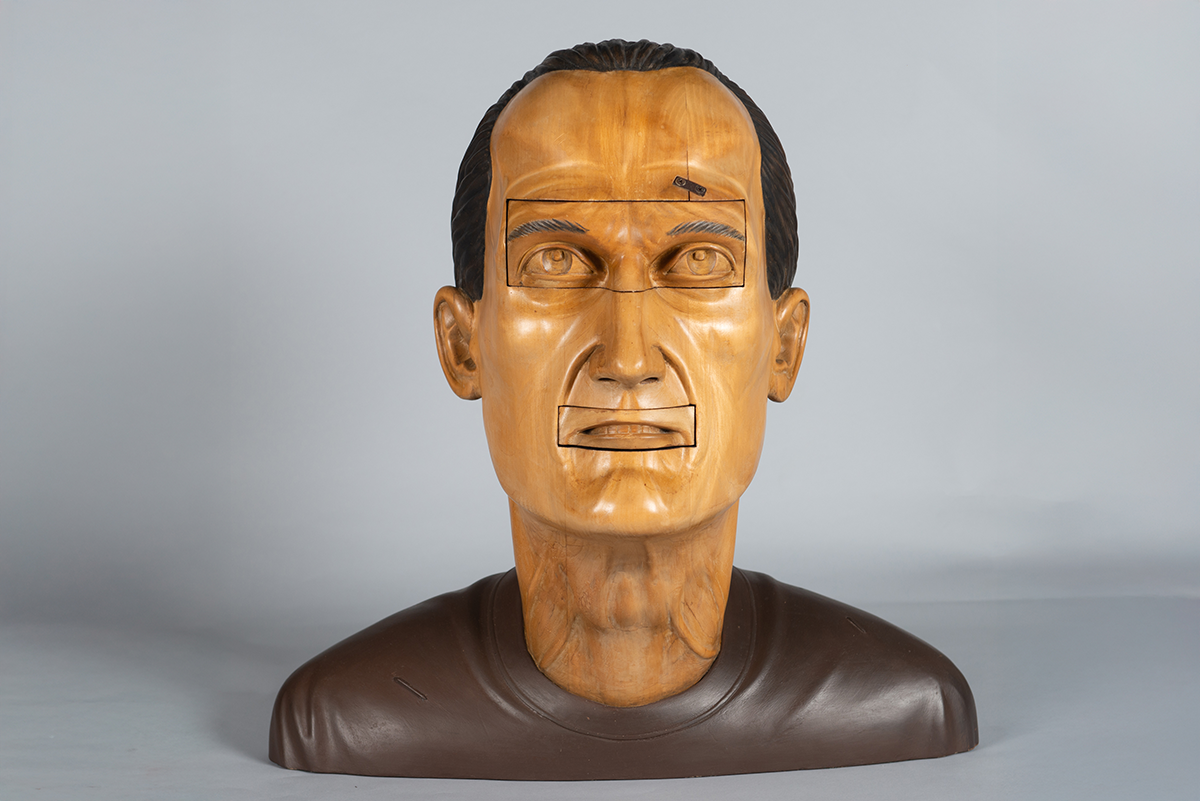
The human body takes center stage in Body Matters , an exhibition at the Columbia Museum of Art, on view from August 22, 2026, to January 3, 2027, which offers a fresh perspective on the possibilities of craftsmanship. The exhibition is based on a fundamental idea: even before an art object can be contemplated, there is a body that has conceived, manipulated, constructed, and transformed it. Manual labor arises from a physical relationship with matter and from knowledge transmitted through the hands.
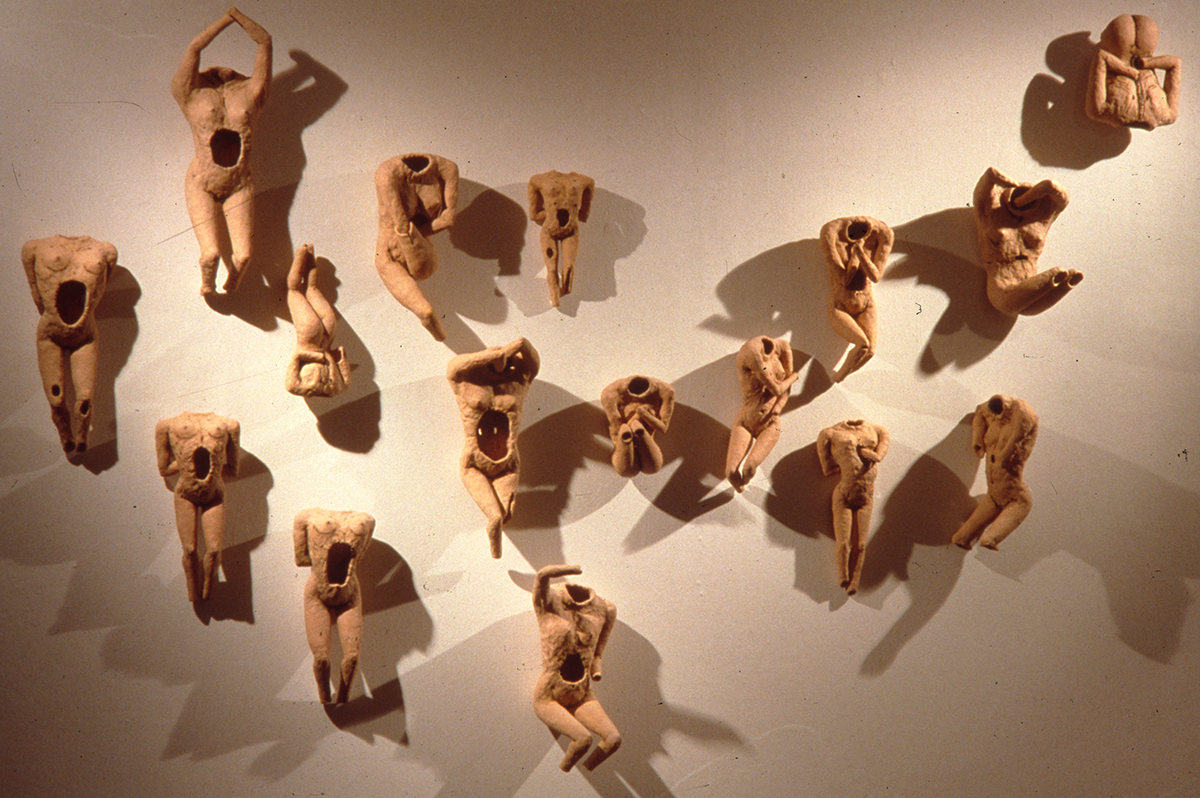
Wood, ceramics, glass, textiles, and sweetgrass —a grass particularly linked to certain American craft traditions—combine to form a journey in which the materials acquire a corporeal dimension. The pieces not only speak of the body through their forms or representations, but also preserve the traces of the physical processes that made their existence possible. Each object contains, in some way, the movements of its creator: the pressure of a hand, the repetition of a gesture, the effort, the waiting, or even the deliberate absence of movement.
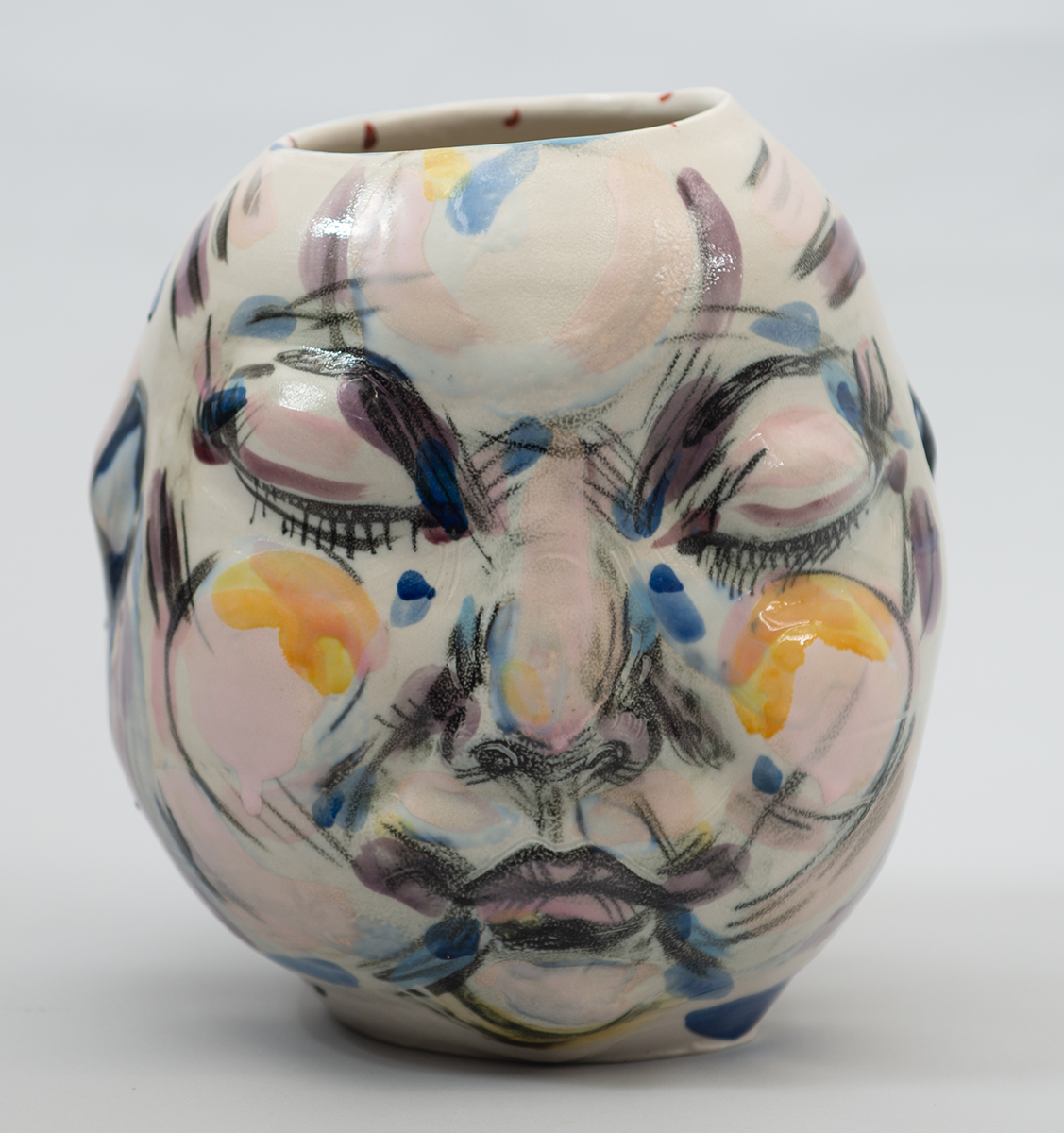
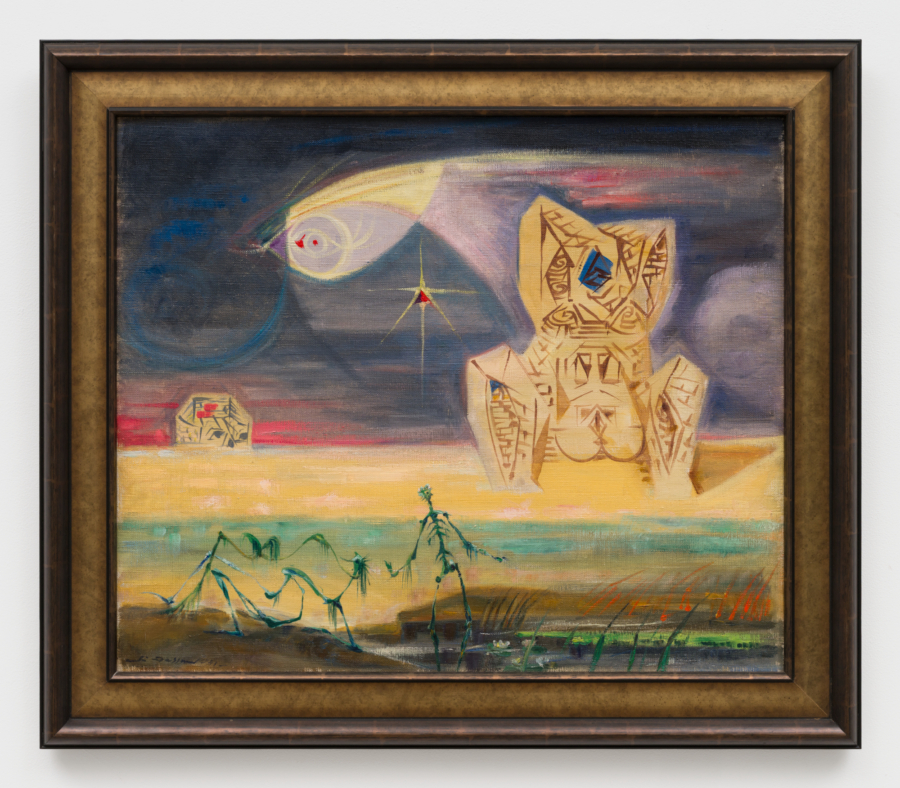
Body Matters brings together artists from different eras to show how the body permeates the world of crafts, both as a subject and an experience. Some works employ figurative representations; others relate to the cycles of life or to objects designed to protect, nourish, and meet people's fundamental needs. In all cases, the exhibition raises questions about the close relationship we maintain with the objects that surround us and how these objects participate in our daily lives.
The bodily dimension thus appears in two senses. On the one hand, it is present in what the works represent: bodies, human forms, life processes, and objects linked to essential functions. On the other hand, it is inscribed in the very materiality of the pieces. The artisan works with and from the body, and this interaction leaves marks that may remain visible or hidden in the final result.
This focus on gesture makes hands one of the exhibition's key conceptual elements. In contrast to a conception of art centered solely on the idea or the image, Body Matters champions the knowledge that arises from direct contact with materials. Modeling, carving, weaving, blowing, braiding, or assembling are actions that require time and effort and generate an intimate relationship between the creator and the creation itself.
The exhibition thus invites us to reconsider the value of the handmade in a context increasingly dominated by industrial production and digital technologies. The handcrafted object is not merely the result of a technique: it is also the record of a physical experience. Its surfaces may bear the traces of a particular way of working, a sequence of movements, or a specific relationship with time.
This perspective also alters the viewer's position. The works are not presented solely as pieces intended to be observed within a display case or on the walls of an institution. Body Matters proposes reflecting on the objects we use daily, both inside and outside the museum, and on the affective and physical relationship we establish with them. A cup, a garment, a container, or any object produced through a handcrafted process can hold a history of use, care, and contact.
In this sense, the exhibition expands the traditional concept of craftsmanship, placing it in a realm where art, body, and everyday life intersect. Objects can protect us, feed us, clothe us, or keep us company, but they can also preserve the memory of the people who made them and those who used them.
Body Matters is part of Handwork 2026 , a national collaboration spearheaded by Craft in America to commemorate the United States' 1500th anniversary. The project celebrates the importance of handmade goods and highlights the extraordinary diversity of craft practices that shape American culture.
You may be
interested
...