News
Georg Baselitz, a key figure in contemporary German art, dies
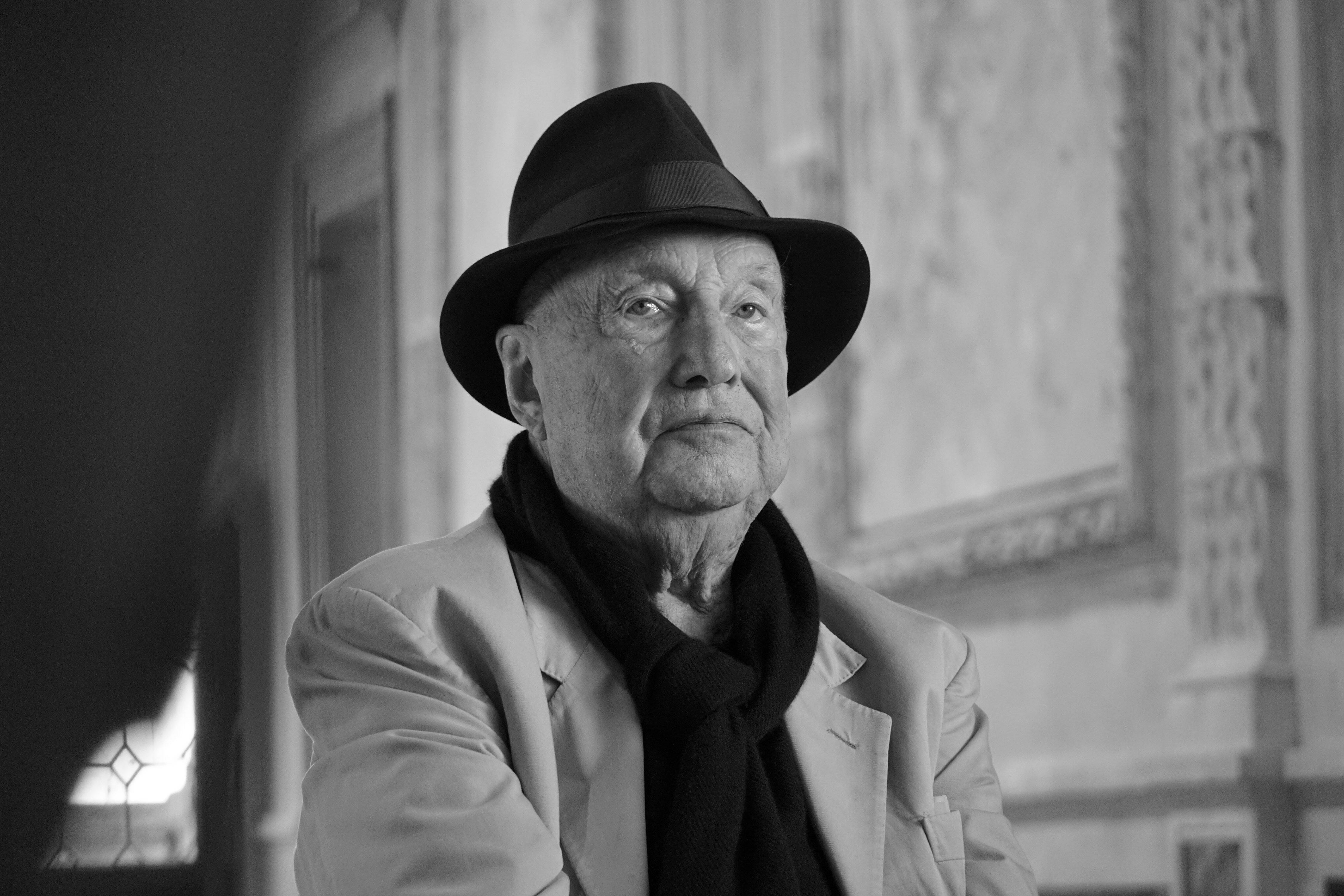
The death of Georg Baselitz marks the end of one of the most unsettling, radical, and decisive trajectories in postwar European art. He was 88 years old. With him, not only a creator is lost, but a figure who made contradiction—between talent and negation, between history and rebellion—the very driving force of his work.
Baselitz, born Hans-Georg Kern in 1938 in Nazi Germany and later trained in the German Democratic Republic, made his life a constant source of tension. Rejected by the Dresden Academy and expelled from the East Berlin Academy for “sociopolitical immaturity,” he found in this rejection the seed of a combative artistic attitude. “I have no talent,” he would repeat, somewhere between provocation and self-defense. However, this supposed lack transformed into a fierce freedom in the face of academic norms.
From the 1960s onward, already settled in West Berlin, he began to develop his own unique artistic language, which was unsettling both for its formal starkness and its historical implications. His early exhibitions were met with censorship and scandal: works were removed, accusations of obscenity arose, and legal proceedings marked his beginnings. But this conflict with the establishment only served to solidify his identity as an artist.
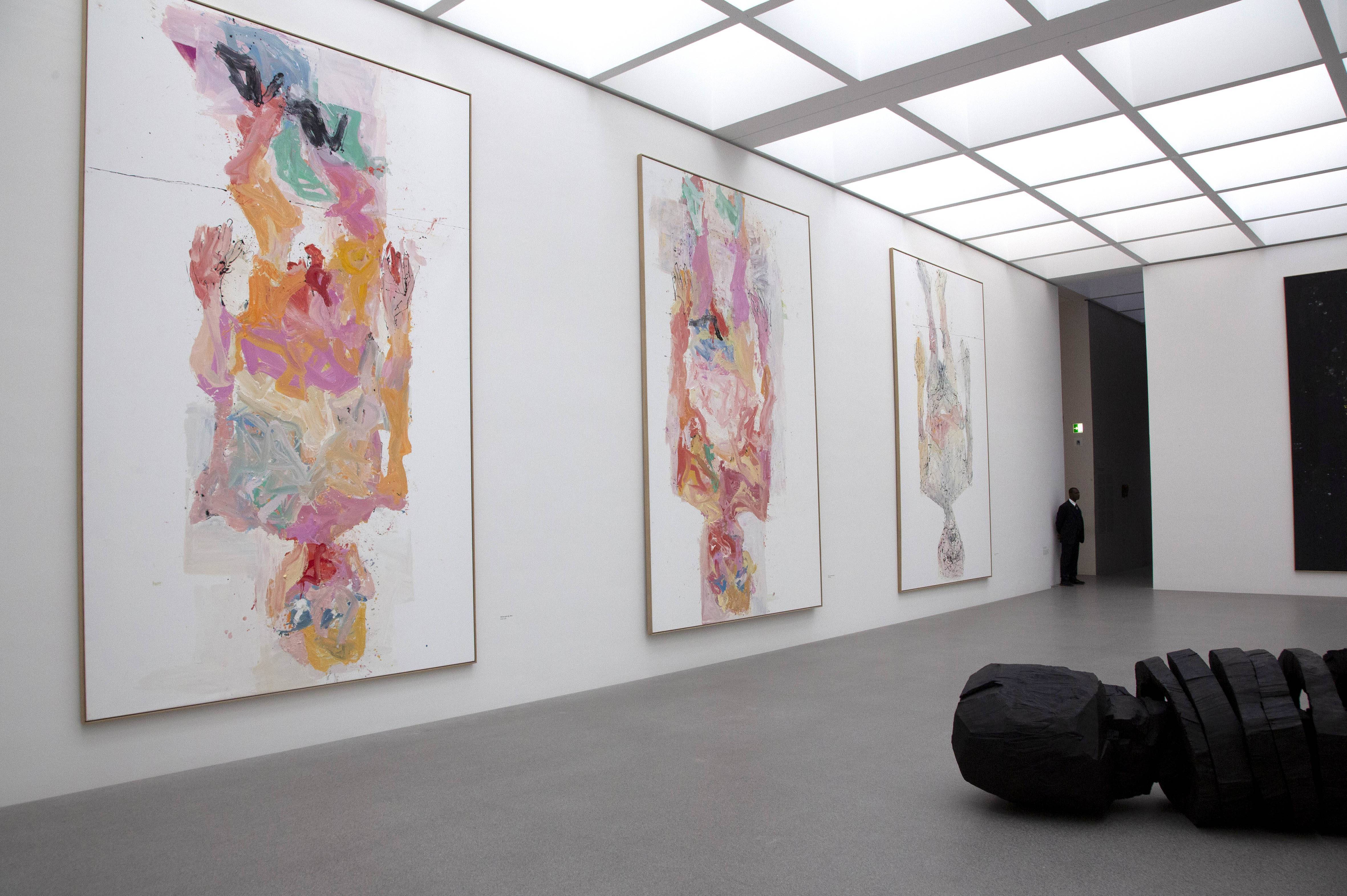
His major turning point came in 1969, when he decided to invert his pictorial motifs. Figures, landscapes, and symbols began to appear upside down, in an operation that challenged the conventional reading of the image. More than a formal gesture, it was a strategy to break with the narrative and force the viewer to confront the painting as an object. In this gesture, he found a middle ground between abstraction and figuration, a tension that would define his entire oeuvre.
Like his contemporaries Gerhard Richter and Anselm Kiefer, Baselitz worked under the persistent shadow of German history. War, collective guilt, the division of the country, and the memory of Nazism permeate his work. His inverted eagles, for example, evoke both the imperial symbol and its downfall, suspended in a precarious balance between power and failure.
In addition to painting, he developed an intense body of work in sculpture and printmaking. His wooden sculptures, violently carved with tools such as axes or chainsaws, transfer to three dimensions the same raw energy of his canvases. One of them, presented at the 1980 Venice Biennale, generated controversy due to its symbolic ambiguity, a recurring theme throughout his career.
Baselitz never ceased to provoke, neither in his work nor in his statements. Critical of the art market and the idea of technical genius, he argued that imperfection could be a form of authenticity. His opinions on other artists—including controversial statements about women in art—reinforced his image as an uncomfortable and uncompromising figure.
Over more than six decades of work, he became one of the most influential and sought-after German artists, second only to Richter in the market. But beyond economic value, his legacy lies in having destabilized the certainties of contemporary painting and in having demonstrated that art can emerge precisely from the negation of its own rules.

You may be
interested
...