Exhibitions
Gyula Kosice returns to Rosario with a real-time look at art, science and the future
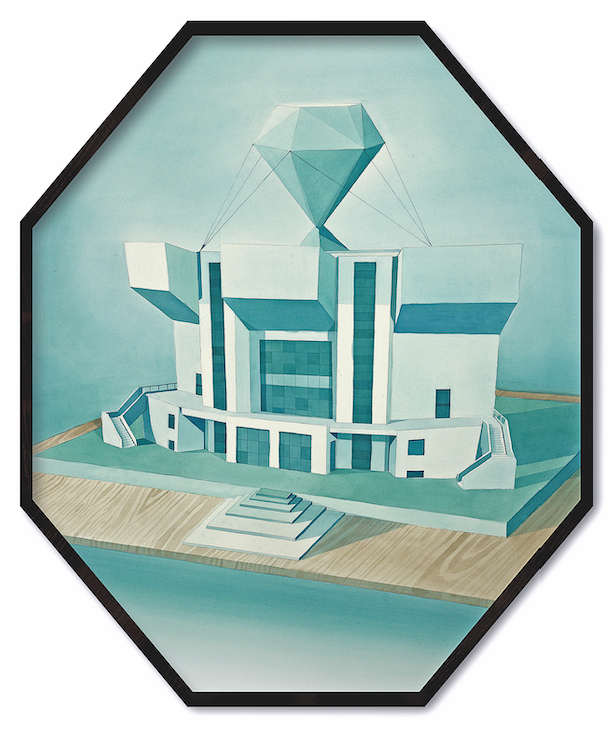
In the landscape of contemporary Latin American art, Gyula Kosice stands out as a visionary ahead of his time. Co-founder of the Madí movement and a pioneer in incorporating water, light, and movement as artistic materials, his work transcended the traditional boundaries of sculpture, opening new possibilities at the intersection of art, science, and technology. From his early geometric explorations to his emblematic Hydrospatial City , Kosice imagined possible futures where artistic creation not only challenges but also proposes. This exhibition invites us to rediscover his legacy as a lucid—and still relevant—reflection on the relationship between humanity, the environment, and the future.
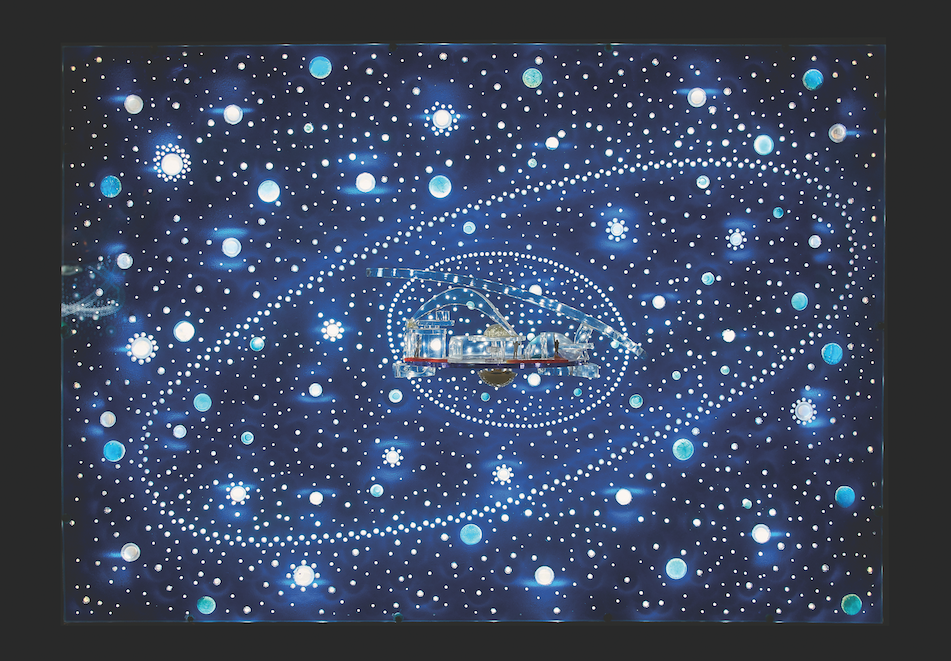
The Hydrospatial City in the Vivian constellation, 2009. (c) Kosice Foundation. Photo by Max Pérez Fallik.
From April 30 to August 16, 2026, the Castagnino Museum in Rosario will present Gyula Kosice: In Real Time , the first solo exhibition in the city dedicated to the Hungarian-born Argentine artist Gyula Kosice. The exhibition celebrates the return of his work to Argentina after its run at the Museum of Fine Arts, Houston, bringing together pieces spanning from the 1940s to the 21st century, drawn from the Kosice Museum and various public and private collections.
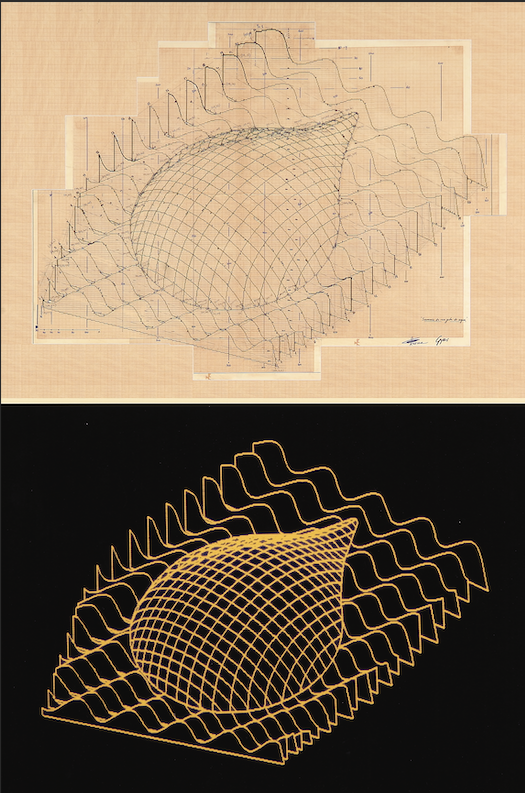
Drop cradled on the waves (1990). Castagnino+macro Collection.
Curated by Jazmín Adler, the exhibition offers an immersion into Kosicean's universe, where water, light, and movement become poetic and experimental material. Through participatory sculptures, utopian projects, and technological explorations, the show recovers the visionary impulse of an artist who, from a very early age, transformed the coordinates of Latin American art. His career began with works such as Röyi (1944), considered one of the first mobile sculptures with audience participation in the region, and expanded with his key role in the founding of the magazine Arturo (1944) and the Arte Concreto-Invención (1945) and Madí (1946) movements, decisive spaces for the Río de la Plata avant-garde.
The exhibition also includes a section dedicated to Kosice's connections with figures such as Antonio Berni and Lucio Fontana, as well as an installation commissioned from the artist Mariana De Matteis and a selection of contemporary works from the Castagnino+macro Collection. Taken together, the exhibition establishes a dialogue between past and present that demonstrates the enduring relevance of his explorations of the relationship between art, science, and the future.

You may be
interested
...