
News
The National Museum of Ancient Art in Lisbon resumes its activity after a deep renovation
Heritage once again takes center stage in Lisbon's cultural life with the reopening in November of the National Museum of Ancient Art (MNAA), which resumes its activity after more than a year of closure due to rehabilitation and modernization works. The intervention, financed with around 8.5 million euros from Portugal's Recovery and Resilience Plan (PRR), has allowed action on various architectural and exhibition spaces of one of the country's most important museum institutions. The museum, closed since September 29, 2025, will open its doors with free admission until December 1.
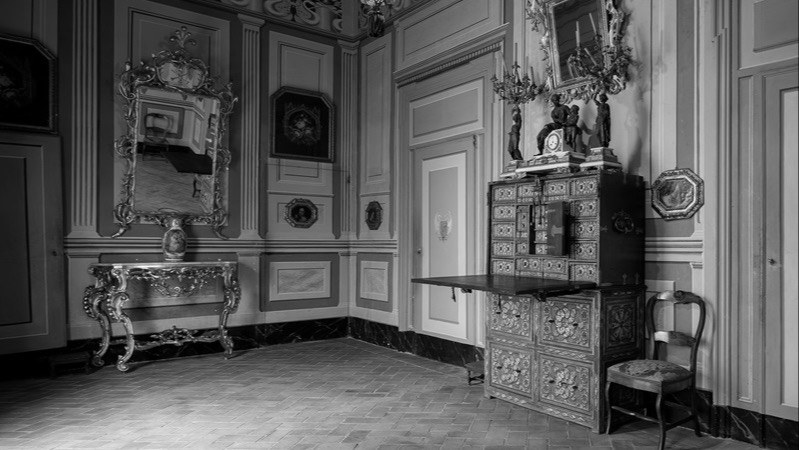
The works have addressed the conservation and renewal of the north façade, the rehabilitation of the roofs of the old wing of the Palace of Alvor, and the restoration of the Capela das Albertas, interventions that impact both the architectural preservation and the updating of the building’s infrastructures. The program has also included improvements in the auditorium and a comprehensive renovation of the exhibition dedicated to international decorative arts, located on the second floor.
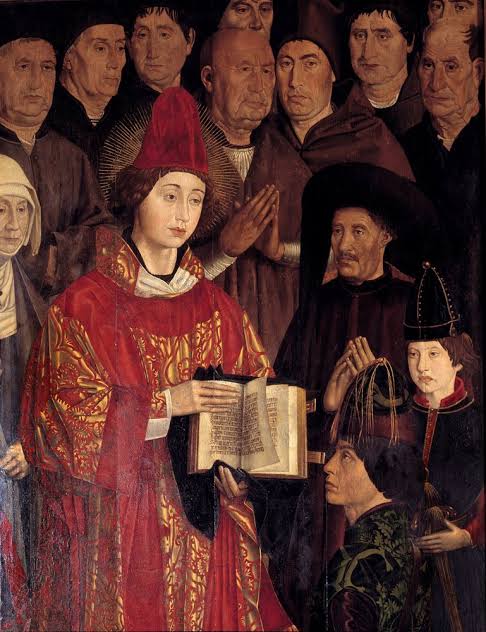
Founded in 1884, the National Museum of Ancient Art houses nearly 40,000 works and constitutes the main Portuguese public collection of painting, sculpture, and Portuguese and European decorative arts, with pieces spanning from the Middle Ages to the 19th century. Its heritage offers a broad reading of artistic and cultural history, while also evidencing the exchanges, influences, and connections that marked different eras.
The historical dimension of its holdings is also closely linked to Portuguese maritime expansion, a legacy reflected in the diversity and uniqueness of its collections. The MNAA also preserves the largest number of works officially classified as national treasures in a Portuguese museum and holds the most important collection of Portuguese furniture in the country, consolidating its role as a reference for the study, conservation, and dissemination of heritage.
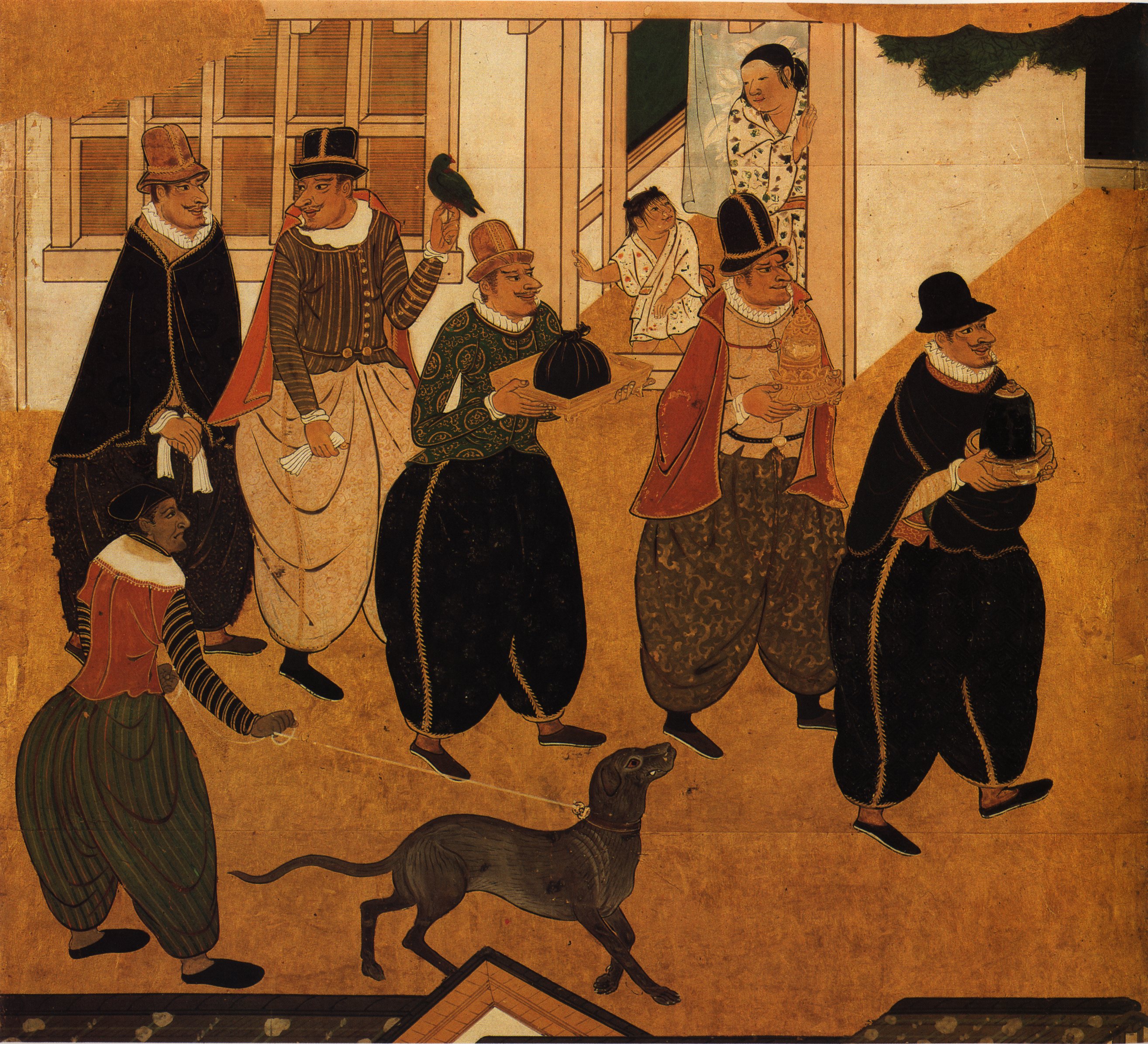
Among the works that shape its identity stand out the Panels of Saint Vincent by Nuno Gonçalves, the Belém Custody, the Namban Folding Screens, The Temptations of Saint Anthony by Hieronymus Bosch, and Saint Jerome by Albrecht Dürer. A set that allows an approach to some of the most significant chapters in the history of European art and to the particularities of Portuguese artistic production.


You may be
interested
...