Podcasts
Proyecto Relámpago, an editorial laboratory where art is printed and reinvented
The world of independent publishing and artist books finds in Proyecto Relámpago a territory of experimentation where ideas take shape through image, word, and printing processes. This is the starting point of the conversation with Andrés Fresneda, writer and curator linked to Bogotá and promoter of this initiative, in a new videopodcast produced by Bonart recorded during ArtsLibris 2026.
Proyecto Relámpago defines itself as an independent platform dedicated to artistic mediation, research, and the production of artist books and experimental publications. More than a publisher in the conventional sense, it functions as a creative ecosystem that brings together different areas of work: it is a production team, a print shop, a design studio, an exhibition space, and a meeting place from which visual projects are conceived and developed.
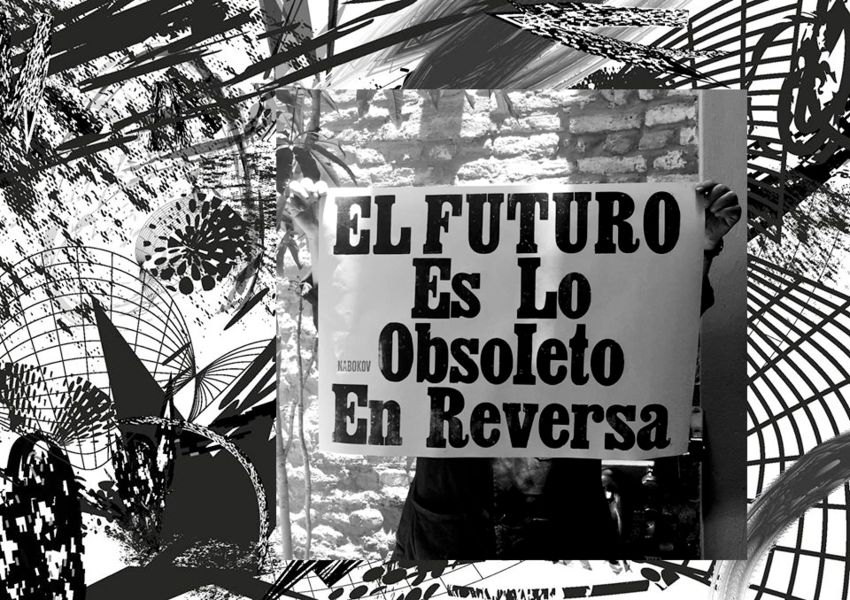
At the center of this structure is a movable type workshop that constitutes one of its main activity hubs. Through experimental practices linked to printing techniques and the recovery of historical procedures, the workshop proposes an active approach to graphic heritage. It is not only about preserving knowledge but reactivating it, questioning it, and using it as tools to interpret the present. A way to learn and unlearn from the craft, understanding publishing as an open space for research and the transformation of visual languages.
This will to review, dismantle, and rebuild runs through the identity of Relámpago. The platform embraces singular, even whimsical projects that find in editorial experimentation a possibility to try out other forms of production and cultural circulation. Its activity also rests on a conviction: the building of networks and the reconstruction of community can arise from shared work, artisanal knowledge, and artistic practice.
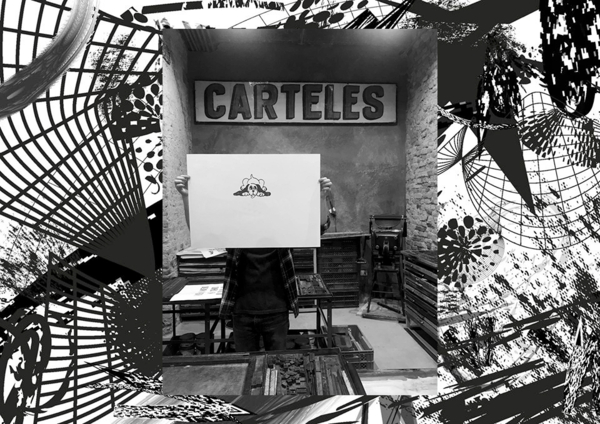
The project is headquartered in a republican house in the Santa Teresita neighborhood, in Bogotá. The building is much more than a workspace: it articulates a small community of creation and thought. Inside coexist an exhibition hall, which has hosted exhibitions, conversations, workshops, and festive gatherings; a print shop; and various offices located on the second floor. An architecture that encourages exchange and allows research, production, and exhibition processes to maintain a constant relationship.
The conversation with Andrés Fresneda allows an immersion into this way of understanding editorial culture as artistic practice, knowledge space, and a tool for connection between people and disciplines. From Bogotá, Proyecto Relámpago reivindicates the value of material processes and shared knowledge, while also proposing other ways to think about independent publishing and its possibilities within the contemporary artistic ecosystem.
You may be
interested
...