Exhibitions
El Greco, an artist between East and West who anticipated modernity
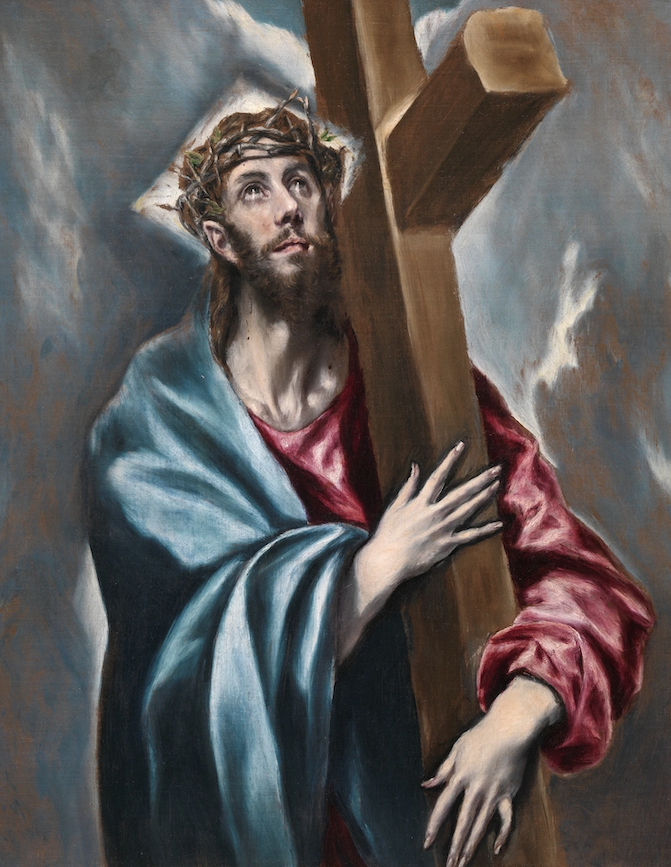
The figure of Doménikos Theotokópoulos, universally known as El Greco, stars in one of the great exhibition events of the European art season. The National Museum of Art of Romania, in Bucharest, presents El Greco. Migrant. From Byzantine Iconography to International Expressionism, an ambitious international exhibition that can be visited from November 27, 2026, to February 28, 2027. The project, curated by Mălina Conțu, Erwin Kessler, and Cosmin Ungureanu, proposes a new reading of the painter's trajectory based on his condition as an artist in transit between cultures, territories, and visual traditions.
The exhibition takes as its starting point El Greco’s extraordinary ability to integrate different cultural heritages and transform his influences into a radically personal pictorial language. Born in Crete, where he received training linked to the Orthodox tradition and the painting of Byzantine icons, the artist continued his learning in Italy, in contact with the great masters of the Renaissance, before settling in Spain, where he developed a work deeply marked by mysticism and Catholic spirituality. This biographical and artistic journey constitutes a singular example of European cultural synthesis, in which East and West, tradition and modernity, converge in the same creative experience.
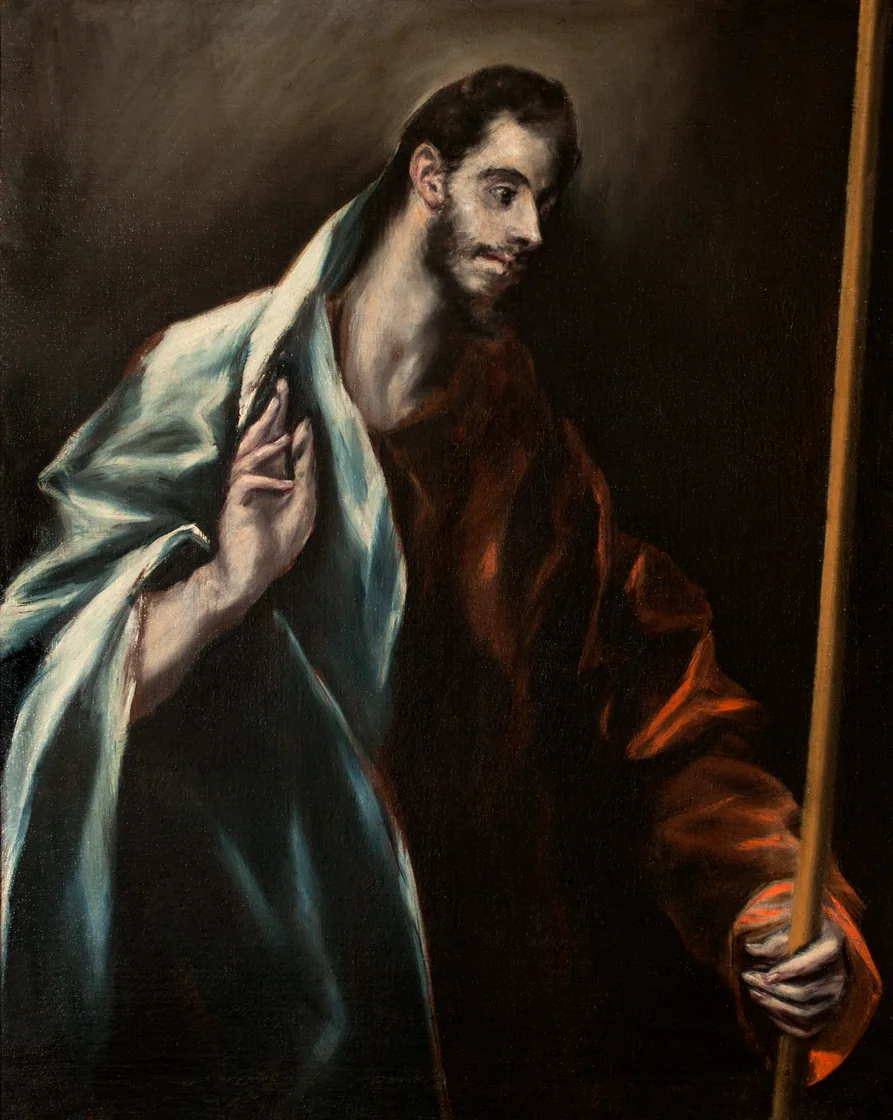
The concept of migration thus acquires a dimension that transcends geographic displacement. In El Greco’s case, it also represents the ability to transfer images, ideas, and spiritual experiences from one cultural context to another, generating a hybrid and open artistic identity. His painting, characterized by elongated figures, dynamic compositions, chromatic contrasts, and intense emotional expressiveness, moved away from the classical principles of mimetic representation to explore an interior, visionary, and deeply subjective reality.
One of the fundamental aspects of the project is precisely the recovery of the modern dimension of his language. For a long time, El Greco was considered an extravagant and eccentric painter, whose uniqueness hindered his recognition after his death. However, his rediscovery at the end of the 19th century and his subsequent vindication by the avant-gardes of the 20th century placed him among the great precursors of contemporary sensibility. His influence can be traced in movements such as Impressionism, Expressionism, Cubism, and Surrealism, whose representatives found in his work an alternative to the traditional conception of the image.
The exhibition establishes connections between the universe of the Cretan master and the investigations of later artists. From Édouard Manet and Paul Cézanne to Pablo Picasso and Oskar Kokoschka, different generations recognized in his painting a form of expression capable of turning inner vision into artistic material. The exhibition allows one to observe how the distortion of the figure, psychological intensity, and formal freedom present in El Greco anticipated some of the main aesthetic concerns of modernity.
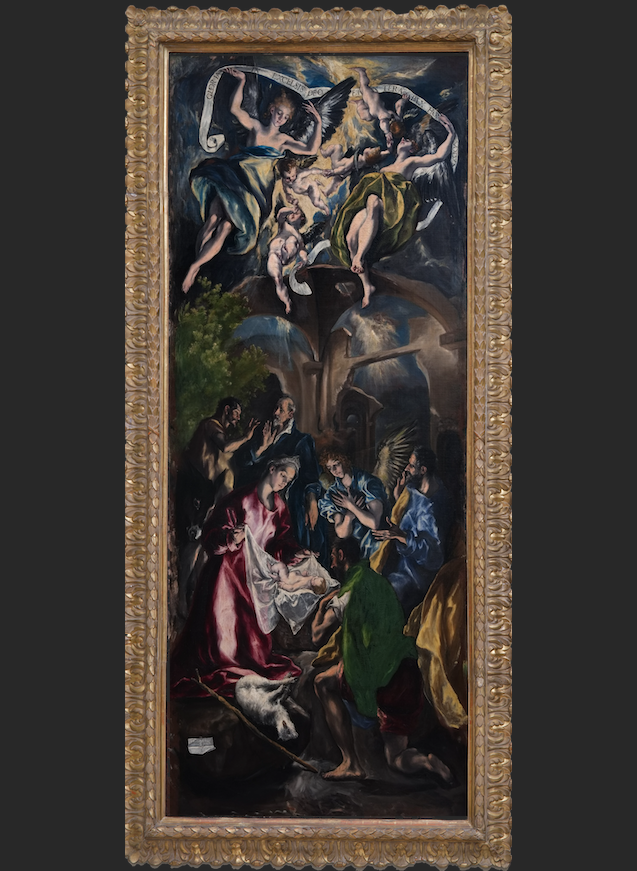
Alongside the painter's works, the National Museum of Art of Romania brings together exceptional pieces by great masters such as Tintoretto, Titian, and Parmigianino, which help contextualize his sources and his Italian training. The journey is extended with works by Cézanne, Picasso, and Kokoschka, as well as a notable selection of artists linked to different Central European and Balkan traditions, including Hans Eder, Hans Mattis-Teutsch, Nicolae Tonitza, Iosif Iser, Lascăr Vorel, Csaba Vilmos Perlrott, Wilhelm Lehmbruck, Ludwig Meidner, Otto Gutfreund, Petar Dobrović, Olga Greceanu, and Victor Man.
This dialogue between eras and geographies allows understanding the breadth of an artistic heritage that is not limited to direct influence, but reaches essential questions of contemporary creation: cultural identity, mestizaje, mobility, spirituality, and the transformation of visual languages. The exhibition thus reclaims El Greco as a decisive figure for understanding the construction of a European artistic modernity that found in cultural diversity a source of renewal.
Considered one of the most ambitious international exhibition projects organized in Romania in the last half century, El Greco. Migrant transcends the format of a conventional retrospective to propose a cross-cutting reading of art history.
You may be
interested
...