Exhibitions
Carlos Casas convenes the animal world in an immersive experience at the Miró Mallorca Foundation
‘Bestiary’ and ‘Cemetery’ propose an audiovisual journey through the territories of perception, listening, and ways of life that question the centrality of the human being.
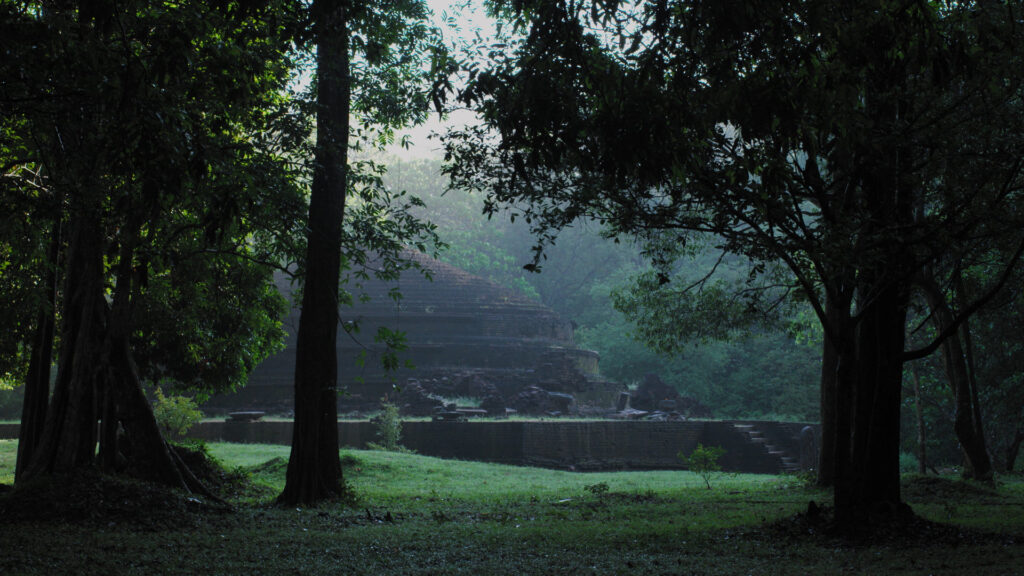
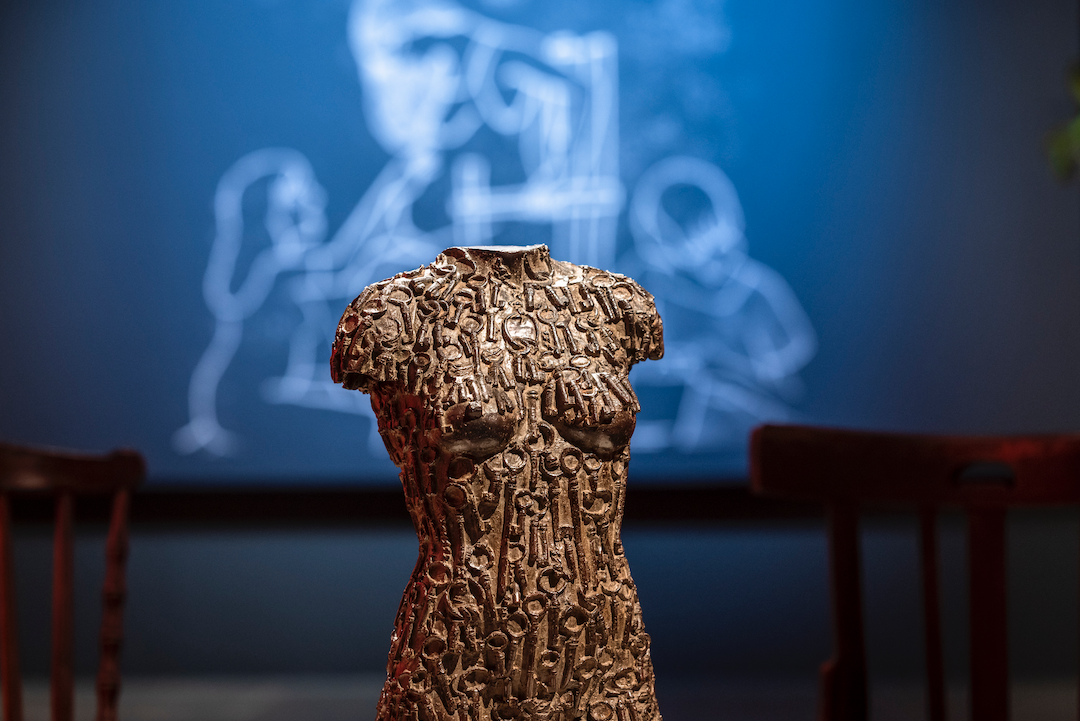
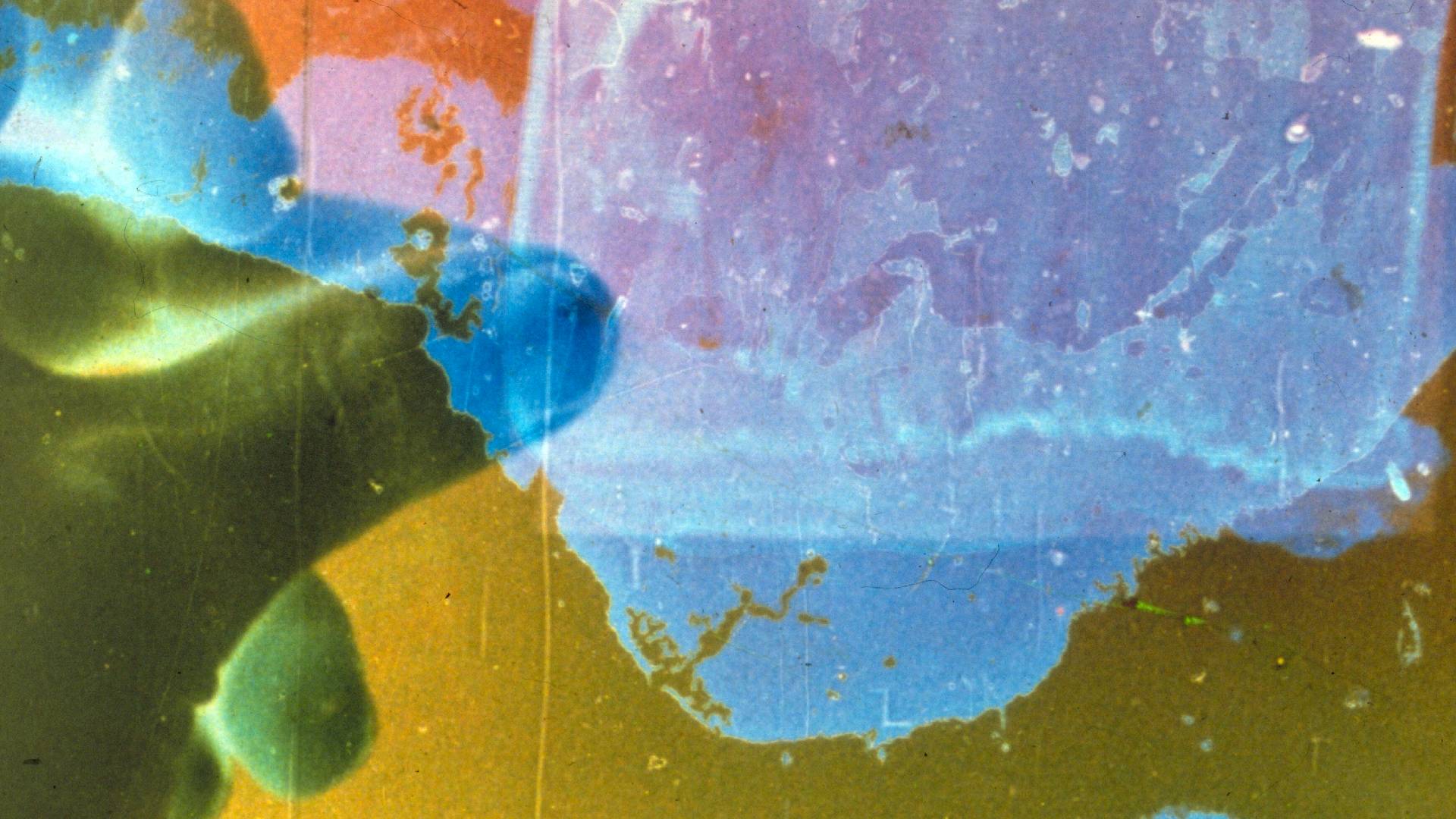
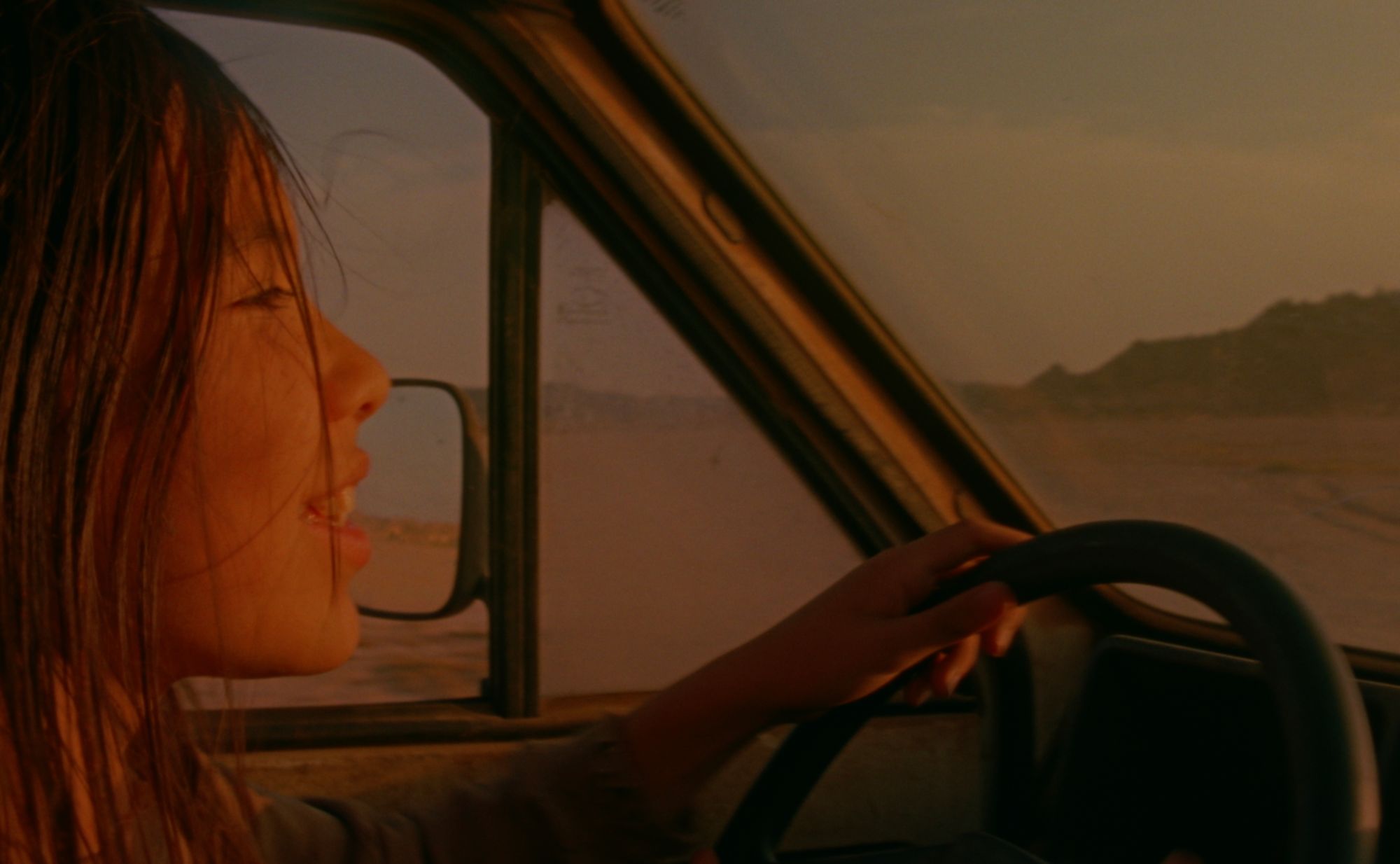
The border between the human and animal worlds becomes a territory of questioning and discovery in the work of Carlos Casas. The Miró Mallorca Foundation hosts, from September 18 to April 18, 2027, a proposal that brings together two of his immersive films, Cemetery (2019) and Bestiary (2025), two creations that explore the possibilities of documentary cinema from a sensory, sound, and intercultural perspective.
Conceived as multilayer audiovisual pieces, both works overflow the limits of conventional film projection to build environments where image and sound generate new forms of relationship with the viewer. The experience is not limited to what is seen: frequencies, vibrations and sound textures open a space of perception that challenges the body and expands the usual mechanisms of listening.
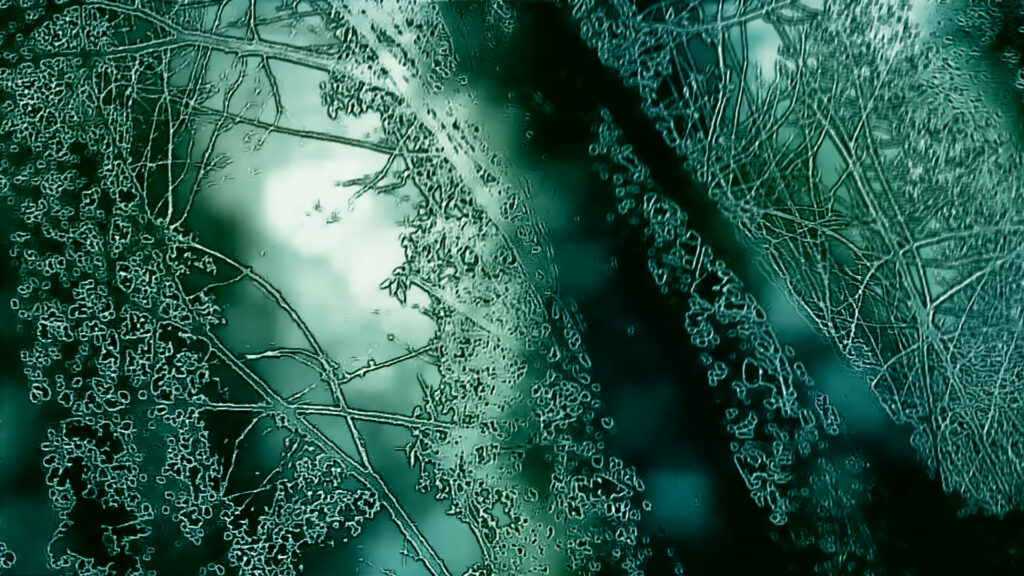
The core of the proposal is a screen adaptation of Bestiary, a complex multisensory investigation by Casas that was first presented as a collateral event of the 60th Venice Art Biennale in 2024, representing Catalonia and the Balearic Islands. Curated by Filipa Ramos and produced by the Ramon Llull Institute, the installation invited visitors to delve into a space of listening and dreaming, conceived as an experience capable of triggering a psychosomatic transformation.
The conceptual starting point of Bestiary is the Disputa de l'ase (Dispute of the Donkey), a medieval text written in 1417 by the Mallorcan author Anselm Turmeda. In this narrative, animals put humanity on trial for its claim of superiority over the rest of living beings. The story begins when a friar discovers he can understand the language of animals and attends an extraordinary debate in which these creatures, represented by a donkey, question the foundations of anthropocentrism and assert their own forms of intelligence, organization, and existence.
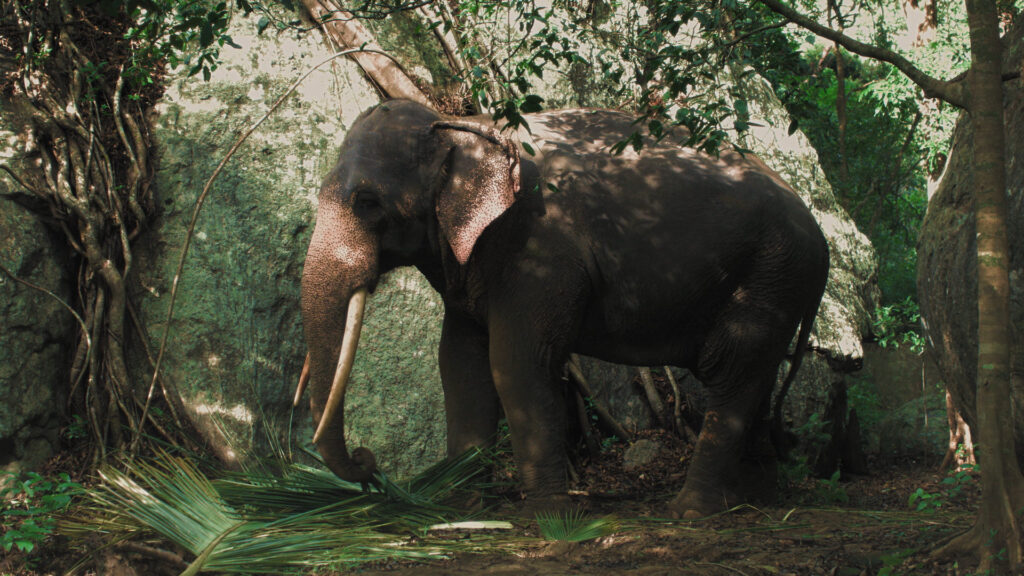
Casas recovers this narrative and updates its perspective to propose an approach to the natural world that questions the limits of human perception. Recorded in various natural parks in Catalonia, Bestiary articulates a sound and visual landscape where real and imaginary animals linked to the territory coexist. The sounds of bats, dolphins, snakes, donkeys, parakeets, and bees dialogue with the voices of elephants and other creatures present in the medieval tale.
The cries, frequencies, movements, and perception systems of animals thus become the raw material of an audiovisual universe that invites experiencing other ways of inhabiting and understanding the world. There are sounds that can be heard and others that are physically perceived through the body; images that are shown directly and others that activate the imagination to suggest modes of vision beyond human capabilities.


You may be
interested
...