Exhibitions
Art as a Factory of Illusions and Architectures of Deception
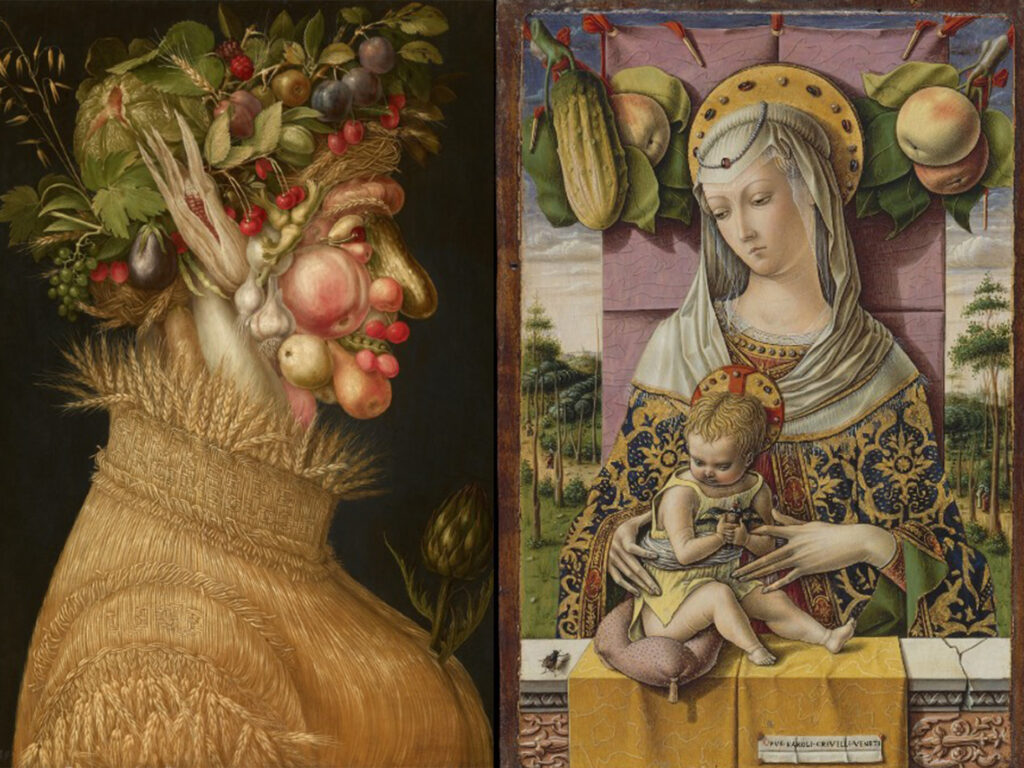
Art has historically maintained an ambivalent relationship with reality. Capable of reproducing it, distorting it, questioning it, or replacing it with imaginary constructions, it has also developed sophisticated mechanisms to seduce the gaze and condition our perception of the world. This tension between appearance and truth is the foundation of The Assault of Illusion, an exhibition presented by the Círculo de Bellas Artes in Madrid that offers a critical approach to art as an instrument for producing fictions, deceits, and forms of representation capable of shaping both our desires and what we recognize as real.
The exhibition, co-produced by the Santa Mònica Art Center and the Círculo de Bellas Artes, expands this reflection to issues particularly present in contemporary debate, such as post-truth, power dynamics, and the hegemonic construction of narratives that determine our interpretation of reality. Beyond identifying deception as a strategy inherent to certain artistic practices, the exhibition examines the technical, visual, and symbolic devices that enable its effectiveness and that often remain hidden behind what is shown.
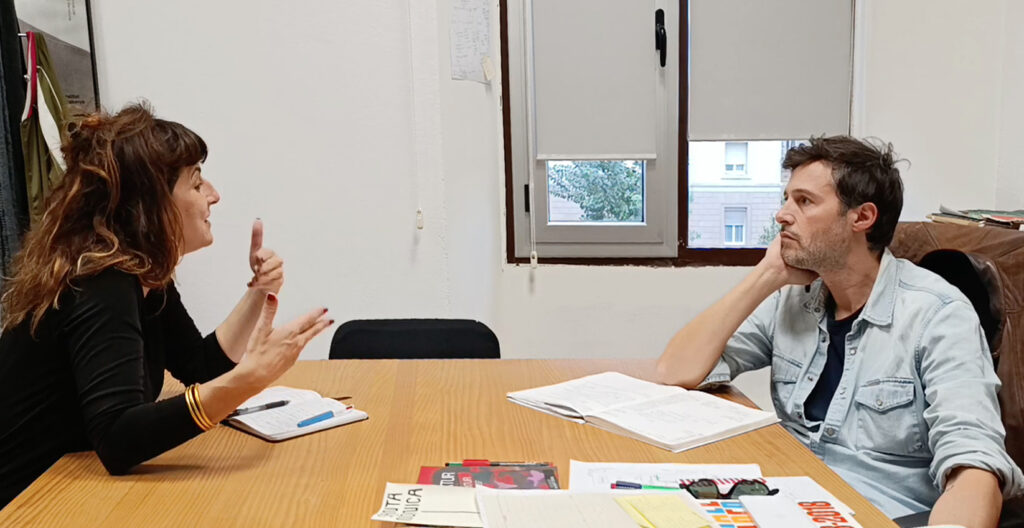
Image of the meeting between Núria Güell and Santa Mònica’s director, Enric Puig, where the artist proposed to literally apply, as an artistic action, the ideology of the Arts Center he leads.
The proposal invites visitors to embark on a journey where illusion is presented not only as a visual effect but as a structure of knowledge and manipulation. The works and exhibition devices reveal how appearances are constructed, how power relations that sustain them are articulated, and to what extent our experience of the real is conditioned by mechanisms of representation. In this context, the emergence of deepfakes and artificial intelligence and creation technologies introduces a new dimension to a debate that cuts across the entire history of art: if for centuries artistic practices have perfected the techniques of illusion, should they not now also be tasked with unveiling their mechanisms?
In its Madrid presentation, The Assault of Illusion occupies the three exhibition rooms of the building and extends into other emblematic spaces, such as the lobby and the historic Ballroom. The exhibition’s architecture thus plays a fundamental role in the audience’s experience. Mirrors, veils, and movable walls configure a changing scenography that alters viewpoints, multiplies perspectives, and causes continuous entries and exits from the territories of fiction. The visitor becomes integrated into a device that reproduces, from the very space, the seduction and concealment procedures that constitute the conceptual core of the exhibition.
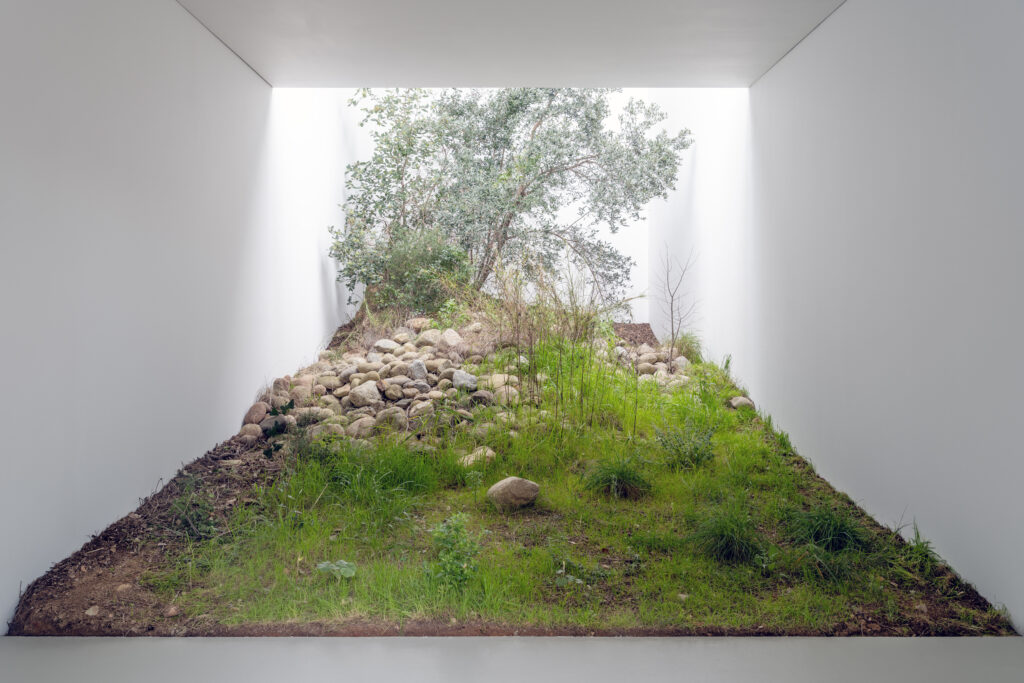
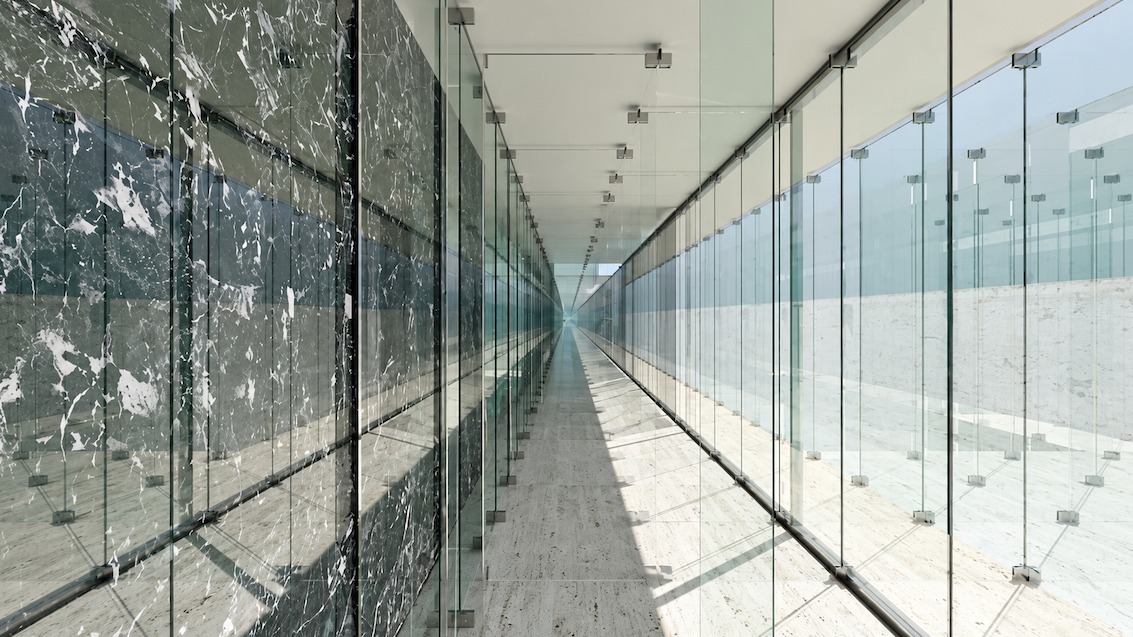
Fabian Knecht, Isolation (Parkstück). ©Studio Fabian Knecht.
The itinerary also plays with the coexistence of different languages and modes of representation. Painting, photography, video, and installation produce different reality effects, and their juxtaposition allows observing how our perception changes when moving from one medium to another. Expectations overlap, images acquire new meanings, and what seemed to offer a stable vision of the world reveals its condition as a construction.
This journey is articulated into four areas that function as different stages of the same critical experience. The first, dedicated to the space of illusion, places the audience in a territory where the laws of perception cease to respond to reason and serve seduction. Manipulation of the viewpoint and alteration of spatial coordinates establish a scene in which appearance gains autonomy and the gaze is subjected to its own expectations.
The second area, the space of revelation, introduces the unveiling of the technical procedures that make illusion possible. The exhibition thus shows the reverse side of what initially seduced the spectator and uncovers the artifice that supports each effect. However, this revelation does not constitute a definitive answer either: we know that every illusion is a construction and that discovering its mechanisms does not necessarily mean escaping its influence.
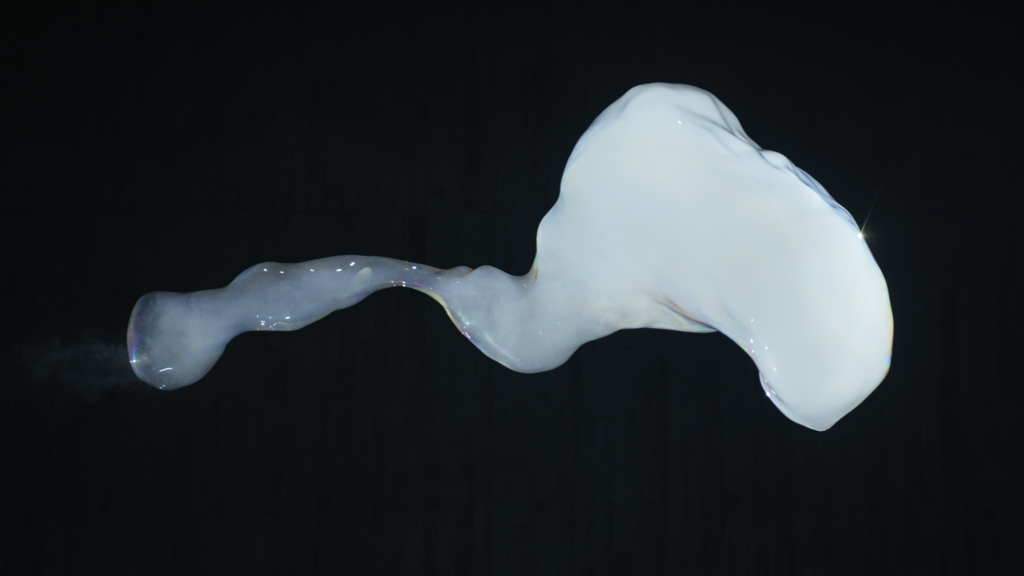
A.A.Murakami, Beyond the Horizon. © A.A.Murakami. Commissioned by M+, 2024. Photography by Adam Kovář and PETR&Co. Courtesy of the artist.
Next, the space of questioning shifts reflection to the present. In this section, artists confront technological devices and their effects, questioning the role that new image production tools play in a society increasingly conditioned by the circulation of manipulated representations. Critical gaze here becomes a form of resistance against a machinery of illusion that no longer belongs exclusively to the artistic sphere but traverses communication systems and contemporary power structures.
Finally, the space of recapitulation proposes a genealogical reading of the strategies through which art has constructed, over the centuries, that constant movement between concealment and revelation. The history of images thus appears as a succession of veils, artifices, and unveilings that have transformed our relationship with the visible.

You may be
interested
...