Exhibitions
Nassra Musa and the bodies that defy the boundaries of identity
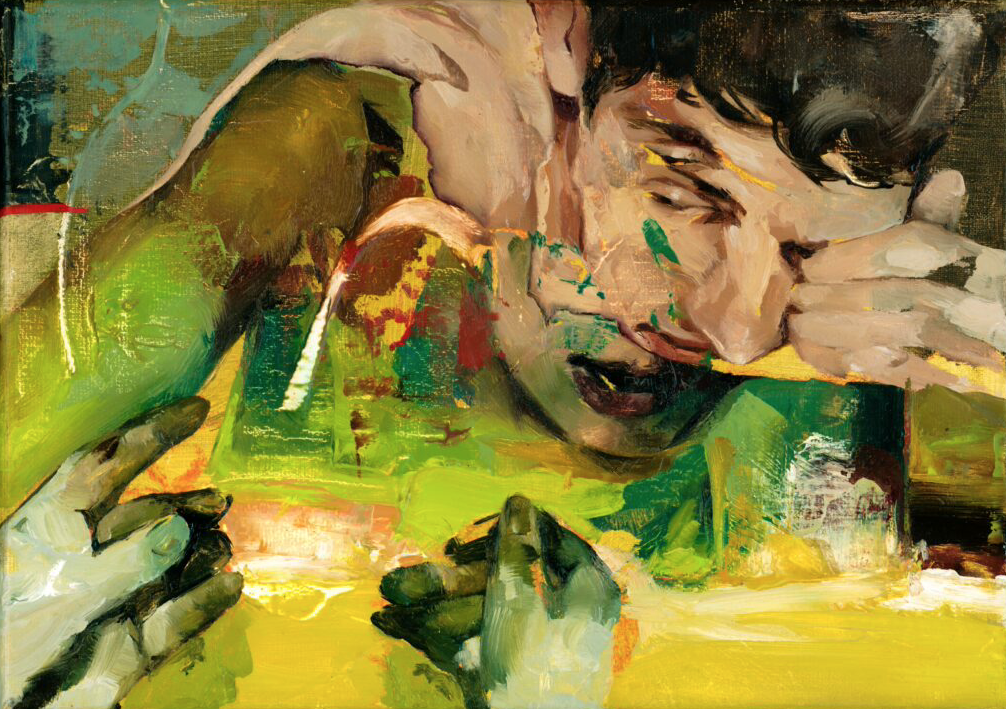
Identity is not necessarily a stable place nor a form that can be precisely defined. It can be a territory of transit, an overlay of memories, landscapes, and experiences that transforms bodies and questions their own limits. This is one of the tensions that traverse the painting of Nassra Musa (Madrid, 2000), who presents her first solo exhibition at the Daniel Cuevas Gallery in Madrid, after having participated the previous year in the group exhibition Extra–Painting. Under the title We accept her, one of us!, the exhibition, which can be visited from November 14 to January 9, 2027, unfolds an imagery in which the human, animal, vegetal, and architectural no longer have defined borders.
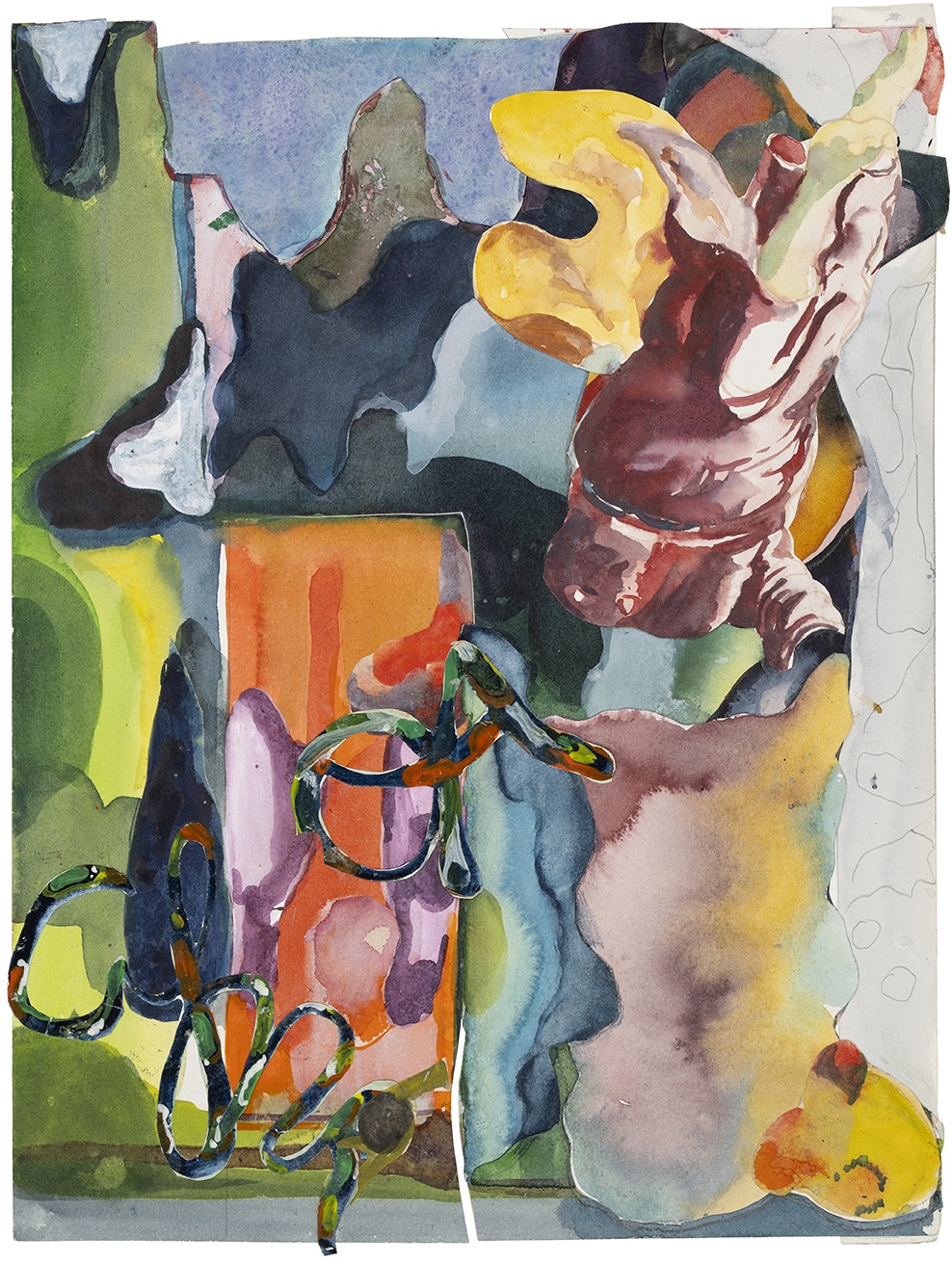
Musa's oil paintings propose a disturbing approach to the representation of the body and landscape. At first glance, her compositions may convey a sense of strangeness or even threat. However, this appearance does not arise from a desire to generate rejection but from the need to represent that which escapes conventional categories. The characters are not closed figures nor identities recognizable in a traditional sense: they are presences in transit, bodies that fragment, deform, and adapt to the environment to find a way to exist in a world that does not always recognize them as its own.
Nature occupies a fundamental place in this pictorial investigation. It is not a backdrop nor a passive stage upon which the figures are arranged, but an active force that penetrates the representation and alters its structures. The artist herself explains that her research "has always been based on the importance of nature," understood as a presence capable of breaking through and transforming. Hostility, strangeness, and the feeling of non-belonging thus become essential resources to imagine other forms of relationship with the world and other possibilities of existence.
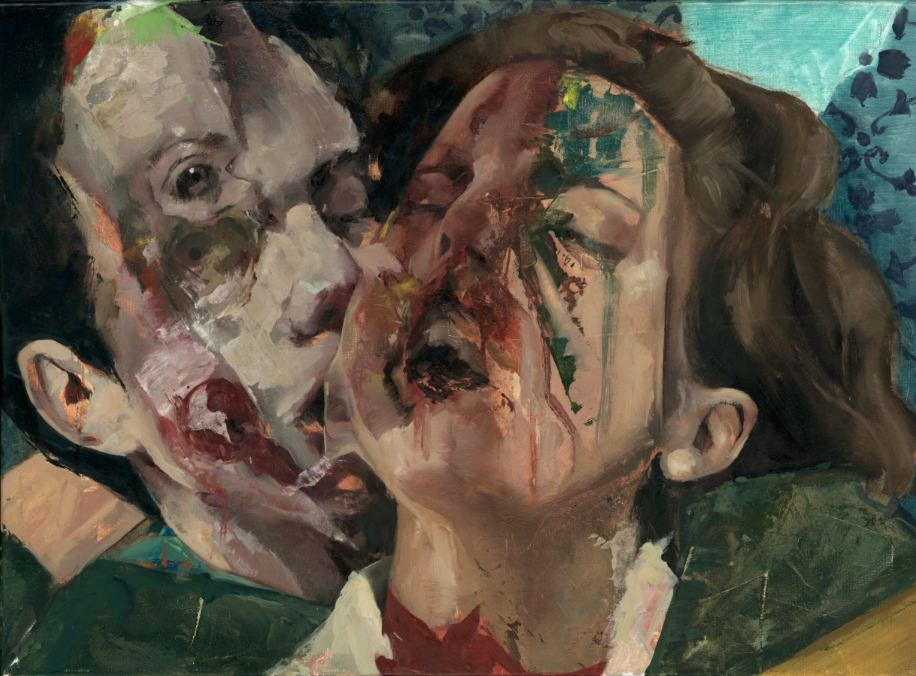
In this universe, the landscape is introduced into the body as an incorporated geography, a memory that leaves a mark, or a migratory experience that modifies the way of inhabiting space. The environment manifests itself in the postures, the textures of the skin, and in the very anatomical configuration of the characters. The figures seem to absorb what surrounds them until the distinction between organism and territory blurs. The painting becomes a field of tensions in which forms dissolve, expand, and recombine, testing their own limits. At times, the image seems to approach collage, ruin, or an organic structure that rejects any definitive definition.
This formal operation has a clear conceptual dimension. Against the idea of a pure, immutable identity linked to a single origin, Musa proposes an aesthetics of the in-between place: an intermediate space where hybrid forms, fractures, and transformations are not anomalies but inherent conditions of contemporary experience. Belonging ceases to be a question of origin or mandatory rooting and becomes a process of constant negotiation between the body and its environment. Her figures do not necessarily seek to recover an original form but to find new ways to adapt and relate to what surrounds them.


You may be
interested
...