Exhibitions
Sewing universes from Catalonia to Bogotá
Contemporary crafts are presented as a territory of research, experimentation, and connection with origins in Visions de Catalunya — Crafting Art / Sewing Universes: Homo Faber, Homo Ludens , an exhibition opening at the Centro Felicidad (CEFE) in Chapinero, Bogotá, from October 9 to 20, 2026. The exhibition proposes a renewed perspective on manual crafts and their capacity to generate new cultural imaginaries, establish links between disciplines, and explore other ways of relating to the contemporary world.
The project is part of Visions de Catalunya , an initiative launched to promote the international reach of Catalan creativity and foster dialogue between crafts, art, and design. In collaboration with Bonart, the Lluís Coromina Foundation, and the Government of Catalonia, the exhibition brings to the Colombian capital a selection of works that explore the expressive possibilities of artisanal knowledge and its dialogue with contemporary artistic practices.
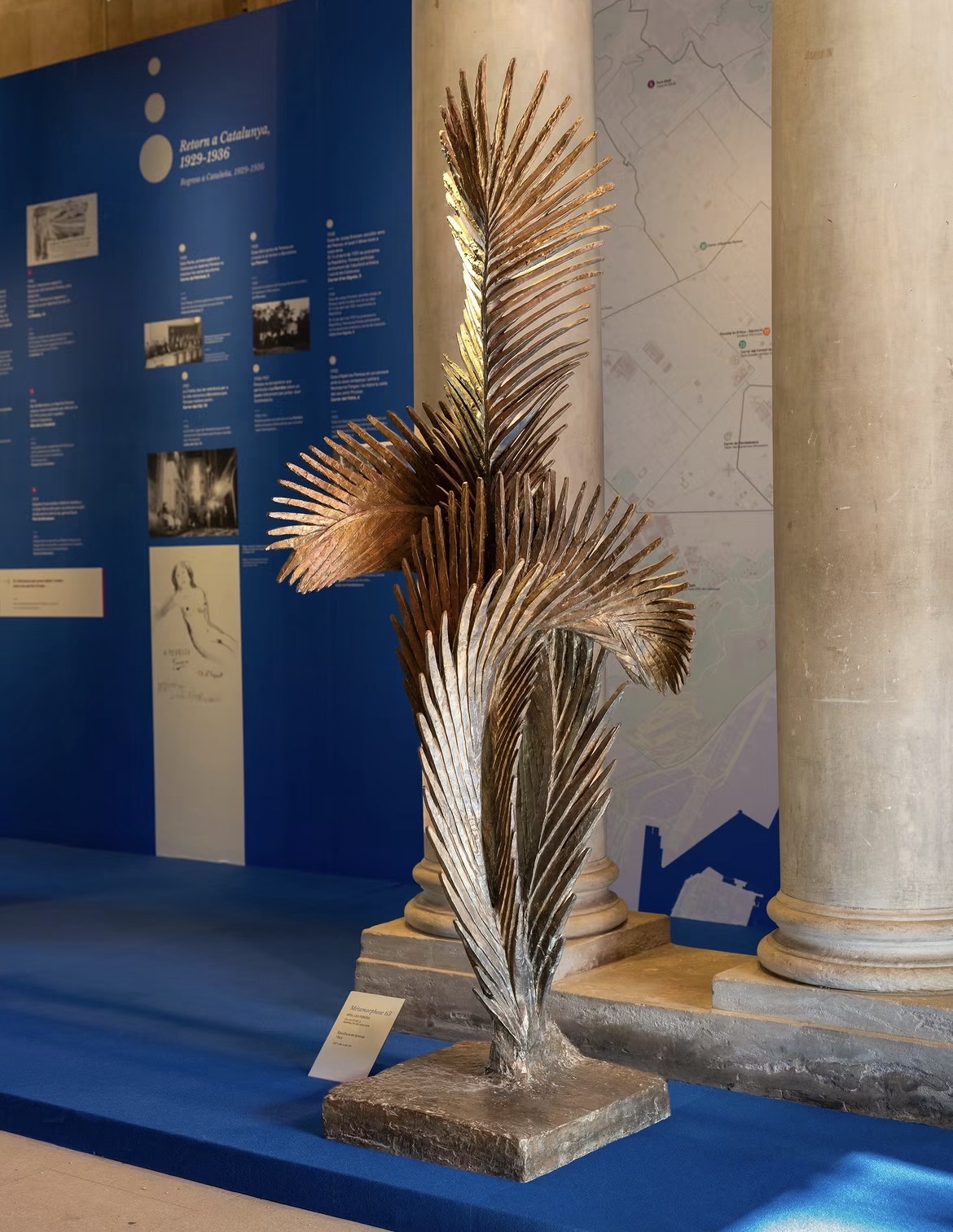
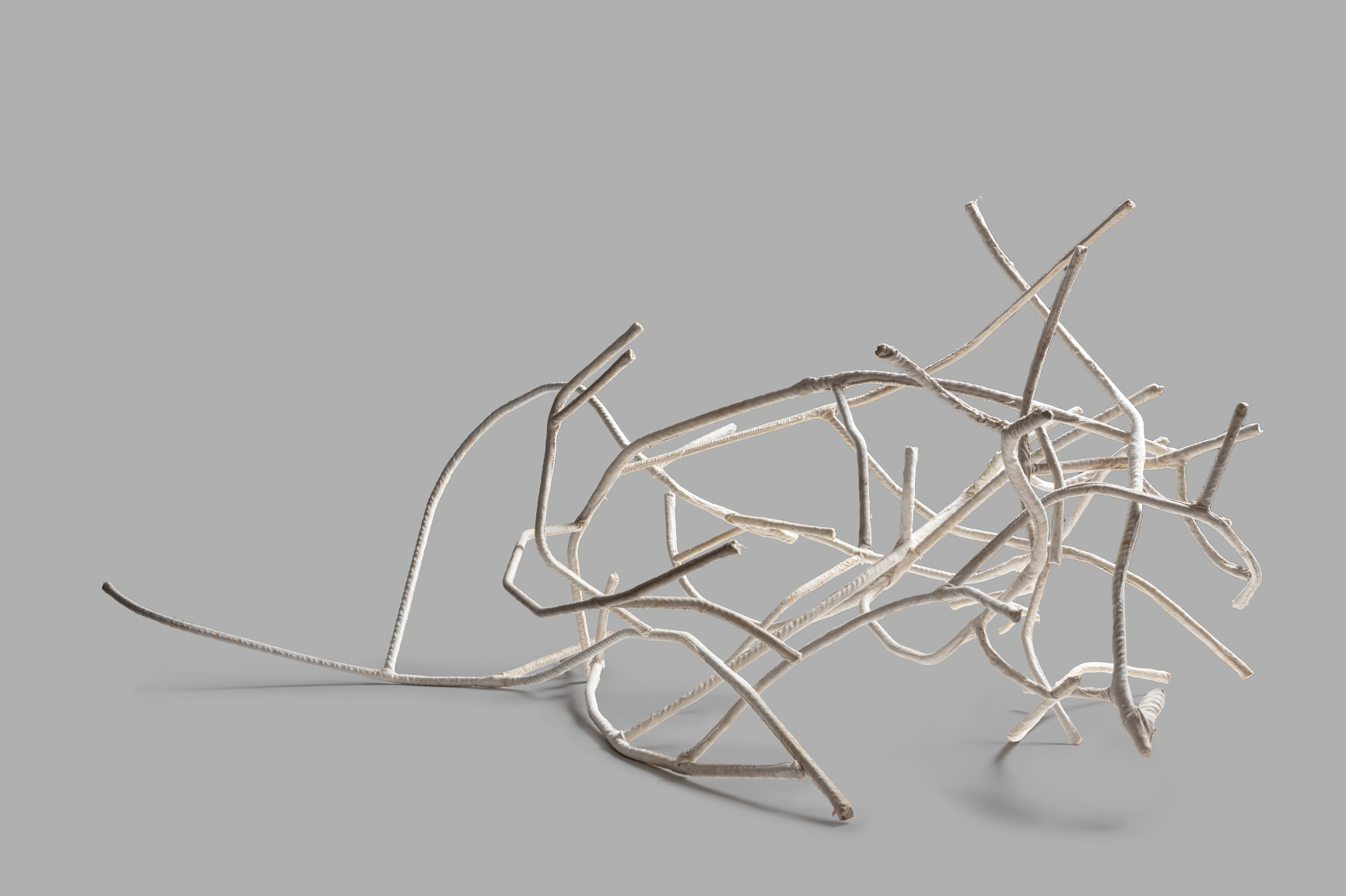
Work of Antoni Marquès.
The exhibition brings together works by Antoni Marquès, Eva Mazana, Francesc Ruiz, Francesca Piñol, Madola, Ivan Forcadell, Jesús Galdón, Mònica Campdepadrós, RibasFrosum, and Vayreda, whose proposals offer an approach to the diversity of languages, materials, and processes that coexist in contemporary creation. Through their works, craftsmanship manifests itself not only as a set of inherited techniques and knowledge, but also as a field open to experimentation, the transformation of matter, and the construction of new cultural narratives.
The proposal stems from a fundamental idea: the concept of craftsmanship has changed over time, transformed by successive social, cultural, and technological disruptions. However, despite these changes, some of its essential values persist, such as the accumulated knowledge of the trades, the direct relationship with the materials, and the understanding of the work processes that connect the hands with the material.
In a context marked by digitalization and the acceleration of production rhythms, manual labor is regaining prominence as a form of knowledge and a way of inhabiting the world. The artisanal gesture is not limited to preserving a tradition, but rather allows for its reinterpretation, the exploration of new languages, and the generation of creative forms capable of connecting heritage with the concerns of the present.
This perspective also reflects a growing interest in reconnecting with nature, materials, and the processes involved in creating objects. At the same time, artisanal crafts become tools for reaffirming individual and collective identities, recovering shared memories, and asserting uniqueness in the face of cultural homogenization.

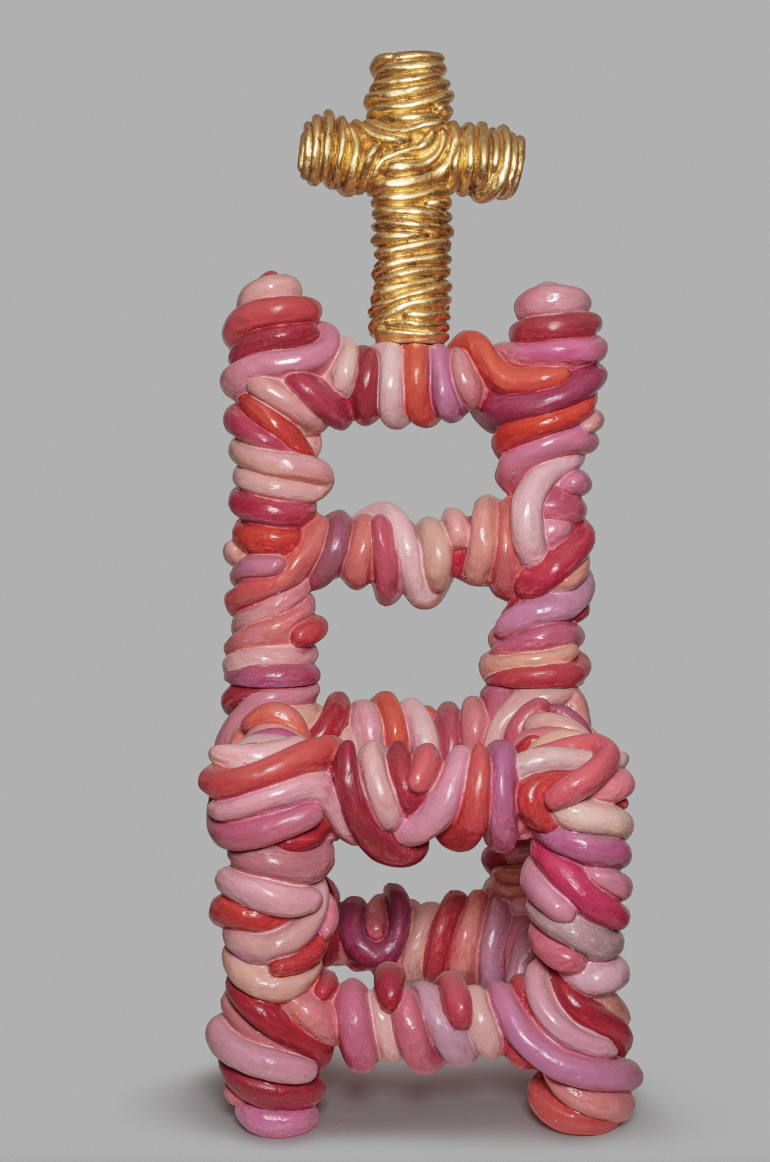
Work by Mònica Campdepadrós.
The title Homo Faber, Homo Ludens alludes precisely to the encounter between two complementary dimensions of human experience: the capacity to make, transform, and build, and the ability to play, imagine, and experiment. In this confluence, craftsmanship emerges as a space where technical knowledge coexists with creative freedom, and where tradition ceases to be understood as a static legacy, becoming instead an active source of new possibilities.
The presence of Visions de Catalunya in Bogotá reinforces the commitment to building cultural bridges between Catalonia and Colombia, placing artisanal creation within a context of international exchange. Beyond preserving traditional crafts, the project invites reflection on how manual skills can contribute to imagining alternative ways of relating to objects, the land, and communities.
You may be
interested
...