Exhibitions
Eugenio Ampudia and the intelligence of connections
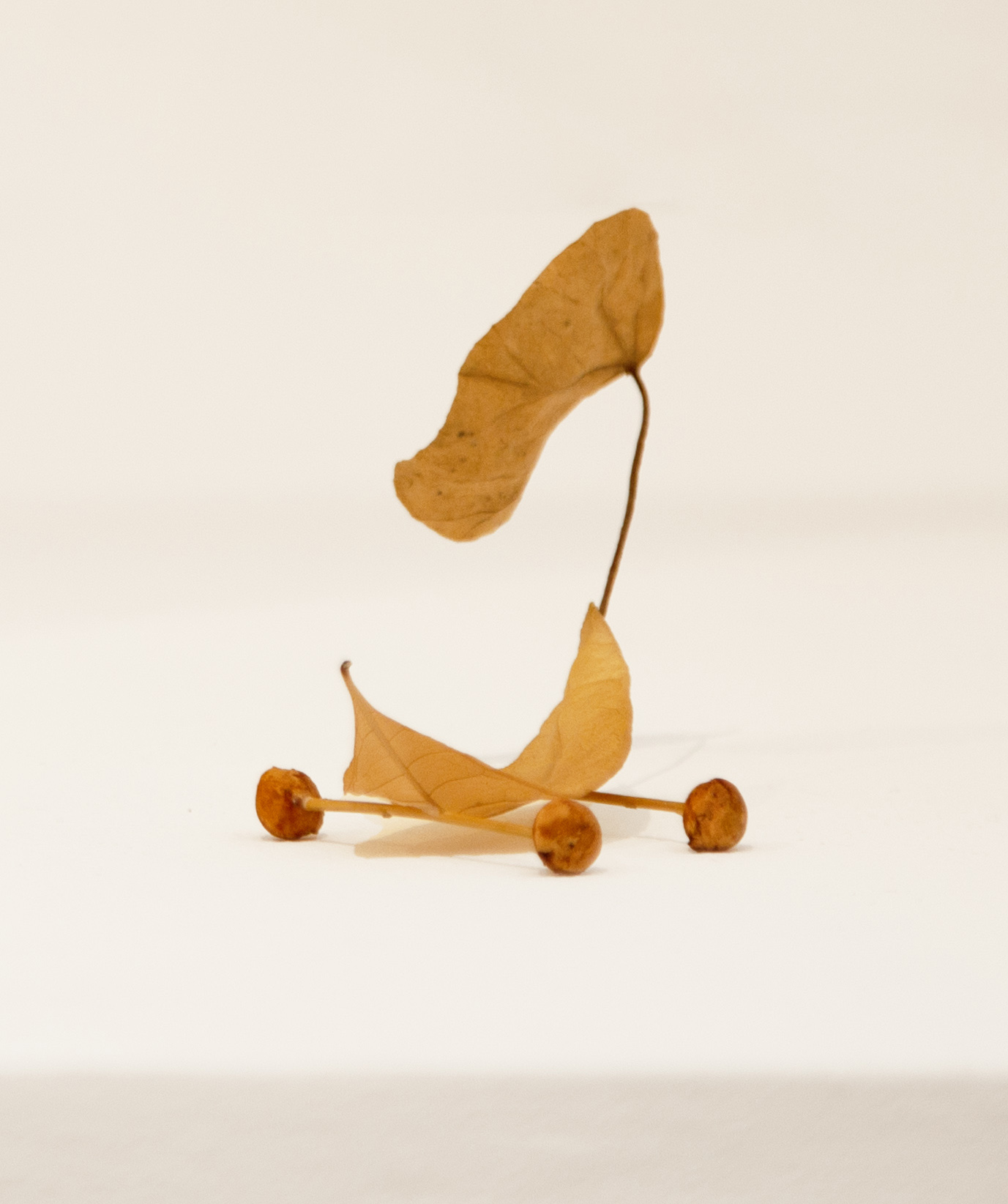
There is an electricity we cannot see, yet it permeates all living things. Before becoming form, gesture, or matter, life is also a constant exchange of charges, impulses, and signals. Neural connections, developed over millions of years, have built extraordinarily complex systems in living beings, reaching in humans that enigmatic realm where consciousness emerges. A thought, a memory, or an emotion can be understood as a sustained voltage difference, a tiny flash of lightning that activates again and again in the depths of the brain.
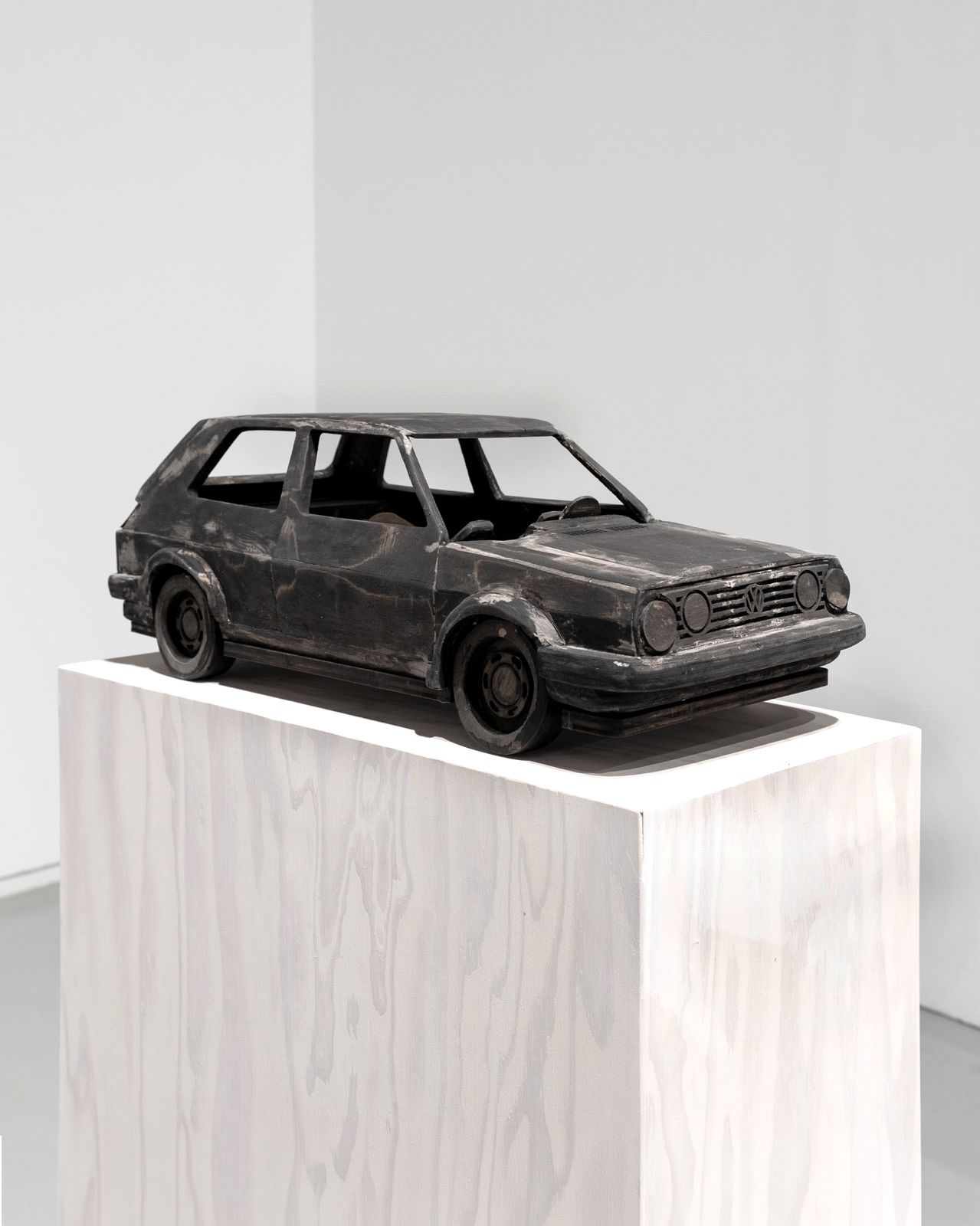
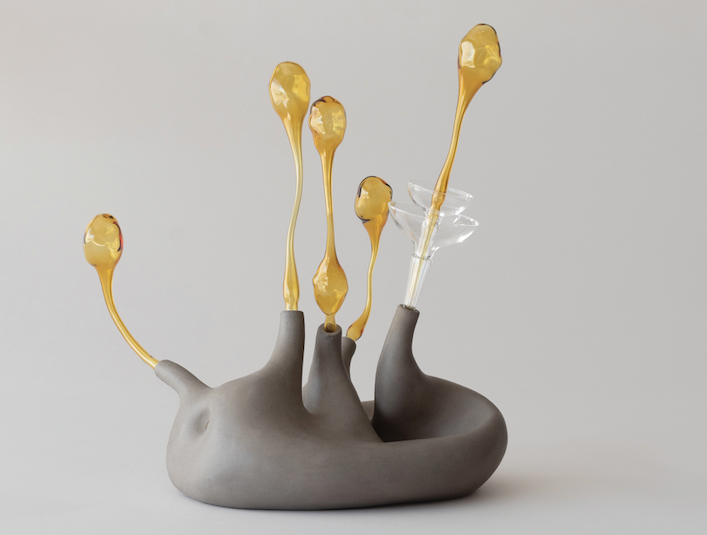
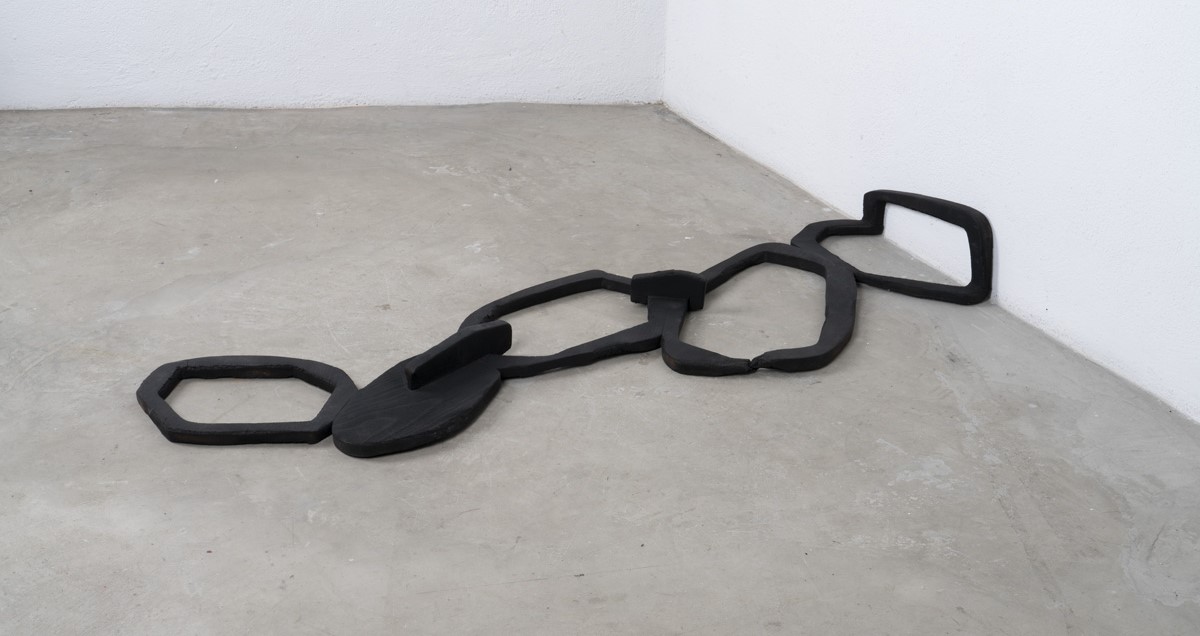
Eugenio Ampudia uses this invisible dimension of existence as a starting point to propose a reflection that transcends the limits of the human. His new exhibition, Millions of Years of Electrical Discharges , invites us to view life as a vast network of connections in which organisms, matter, and environment participate in a single system of exchange. The exhibition, the artist's fourth solo show at the Rafael Ortiz Gallery, will be on view from September 23 to November 19, 2026 , and offers a journey through what happens beyond our immediate perception.
Because electricity isn't the sole domain of the brain or the nervous system. Plants, too, receive information, process it, and respond to it. Without a brain, but through complex bioelectrical and chemical mechanisms, they are able to integrate stimuli such as light, wind, humidity, or touch and translate them into signals that propagate throughout their organism. Based on these signals, they modify their growth and adaptation processes. They don't think in the same way humans do, but they perceive, communicate, and make decisions. Their intelligence doesn't depend on a single center; rather, it is distributed throughout the organism and is constructed in relation to the environment.
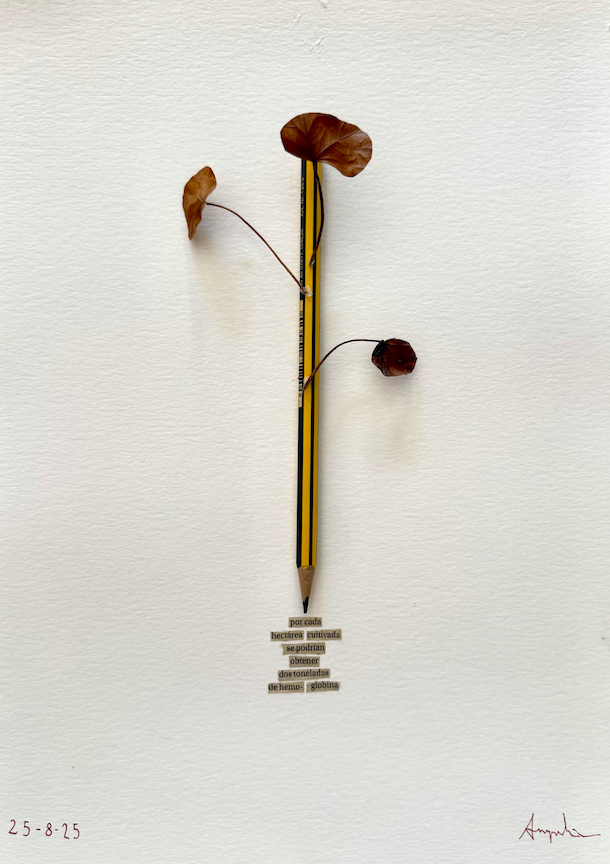
This idea of an intelligence that doesn't necessarily need a center allows Ampudia to shift our perspective toward a broader conception of life. The artist doesn't merely reflect on nature, but on the relationships that make any form of existence possible. The light a plant receives, the movement of a leaf, a neuronal discharge, or a bodily response are all part of the same logic: receiving, transmitting, transforming, and responding.
This shift reveals one of the exhibition's fundamental themes: interdependence. Nothing lives in complete isolation. All living things depend on other life forms and the conditions that surround them. Human, animal, plant, and atmospheric elements thus cease to function as closed categories, revealing instead a permanent network of relationships. A thought and the turning of a leaf toward the sun may seem like radically different phenomena, but both express, from different scales, an organism's capacity to relate to its surroundings.
The exhibition, therefore, invites us to rediscover a sense of wonder at this universal network. It's a perspective that doesn't seek to establish easy equivalences between humans and plants, but rather to question the separation with which we habitually organize our relationship with the world. Contrary to the idea of independent organisms, Ampudia proposes a scenario in which everything is connected through flows of information, energy, and matter.
This preoccupation with the mechanisms that structure our experience is part of an artistic trajectory built from an essentially critical position. Born in Melgar, Valladolid, in 1958, Eugenio Ampudia is one of the most renowned Spanish artists of his generation and has developed a multidisciplinary practice focused on investigating the very processes of art. His work analyzes the role of the artist as a manager of ideas, the political dimension of creation, and the meaning a work acquires within the systems that determine its production, promotion, circulation, and consumption.
Ampudia has also questioned the spaces traditionally assigned to art and the position of the viewer in relation to the work. Her work is interested in the mechanisms that allow for the construction of an artistic experience and in the way in which the viewer participates in its interpretation and meaning. From this perspective, her projects are frequently situated in that borderland where art, technology, space, society, and everyday experience begin to merge.
His career has been recognized with various awards. In 2008, he received the AECA Award for best living Spanish artist represented at ARCOmadrid, a distinction he won again in 2018, and he was also awarded the ARCO-BEEP Electronic Art Prize. That same year, he received a grant from The Delfina Foundation in London. This trajectory helps to understand the technological and critical dimension that runs through much of his work, as well as his constant interest in exploring the relationships between contemporary systems and the ways in which we perceive reality.
In Millions of Years of Electrical Discharges , this research shifts into a territory where technology and nature cease to appear as opposing realities. Electricity functions as a physical phenomenon, but also as an image of a network of connections that predates even our capacity to understand it. A current that traverses different organisms, environments, and times, allowing us to imagine life not as a sum of individualities, but as an open system of relationships.
You may be
interested
...