Exhibitions
José Guadalupe Posada, chronicler of a Mexico in transformation
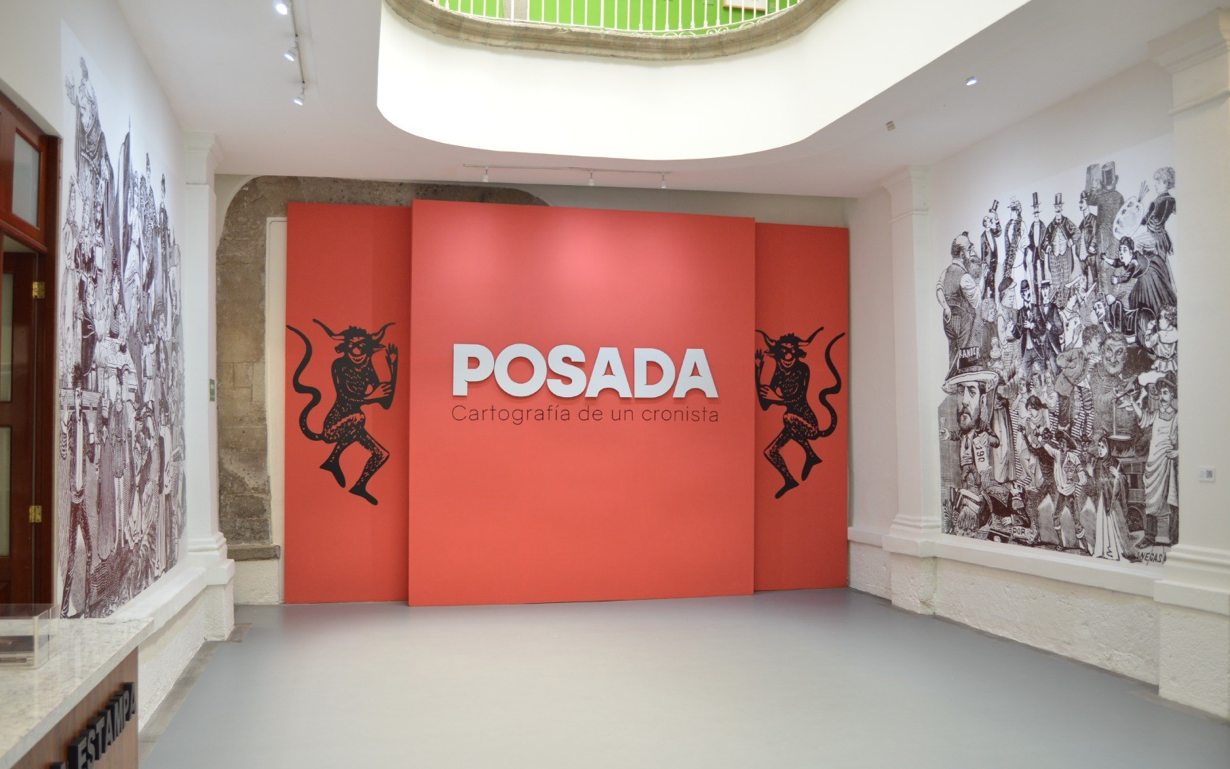
There are artists who depict an era, and others who manage to make an era recognizable in their images. José Guadalupe Posada belongs to the latter group. His engravings traverse Mexico at the end of the 19th and beginning of the 20th centuries with a gaze that misses nothing: celebration and tragedy, devotion and spectacle, catastrophe, music, the street, and the small events of daily life. Over time, they have become part of the collective imagination, and many of his images have ended up obscuring the breadth of a much more complex body of work. "Posada, Cartography of a Chronicler ," at the National Museum of Prints (MUNAE), proposes revisiting this perspective to discover the artist who transformed his time into a vast territory of images.
Organized by the Ministry of Culture of the Government of Mexico and the National Institute of Fine Arts and Literature (INBAL), the exhibition brings together a selection of pieces that allows visitors to explore the diverse facets of the artist's work. Religious devotions, entertainment, news, natural disasters, music, and scenes from everyday life coexist in a journey that showcases his extraordinary ability to observe and depict what was happening around him.
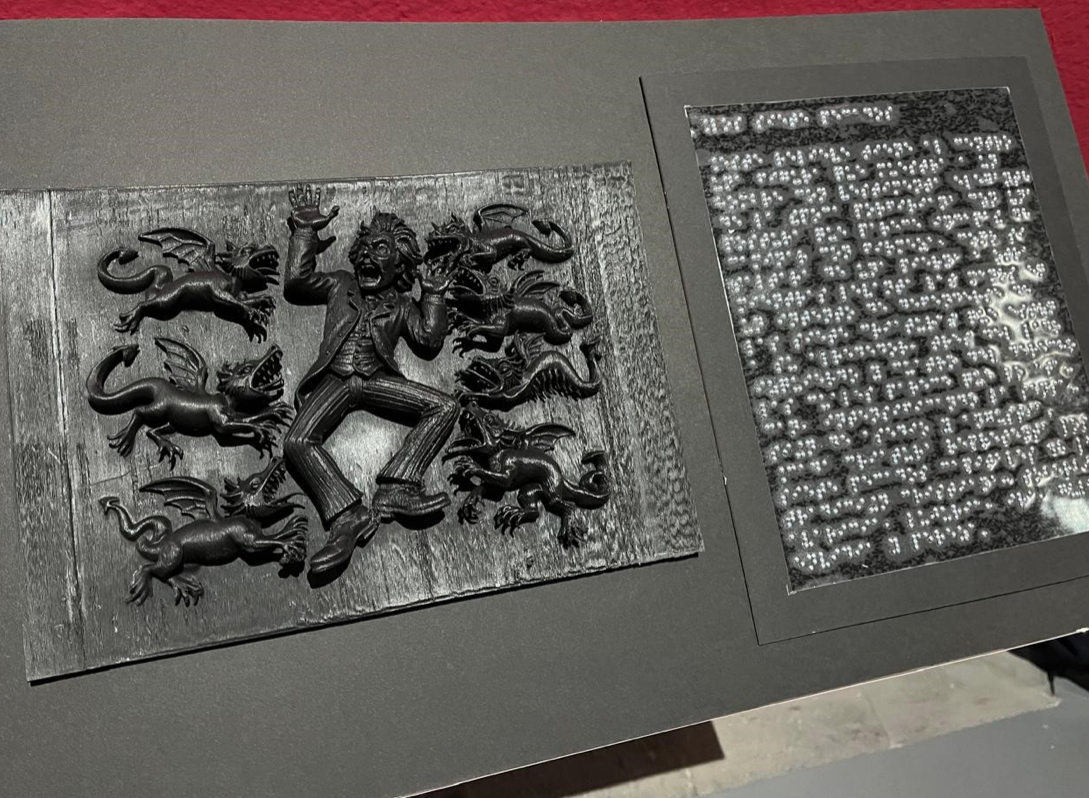
Among the lesser-known works are four lithographs from 1876: The Adoration of the Magi , The Tomb of the Roses , The Flight into Egypt , and The Virgin in Her Childhood . These pieces allow us to approximate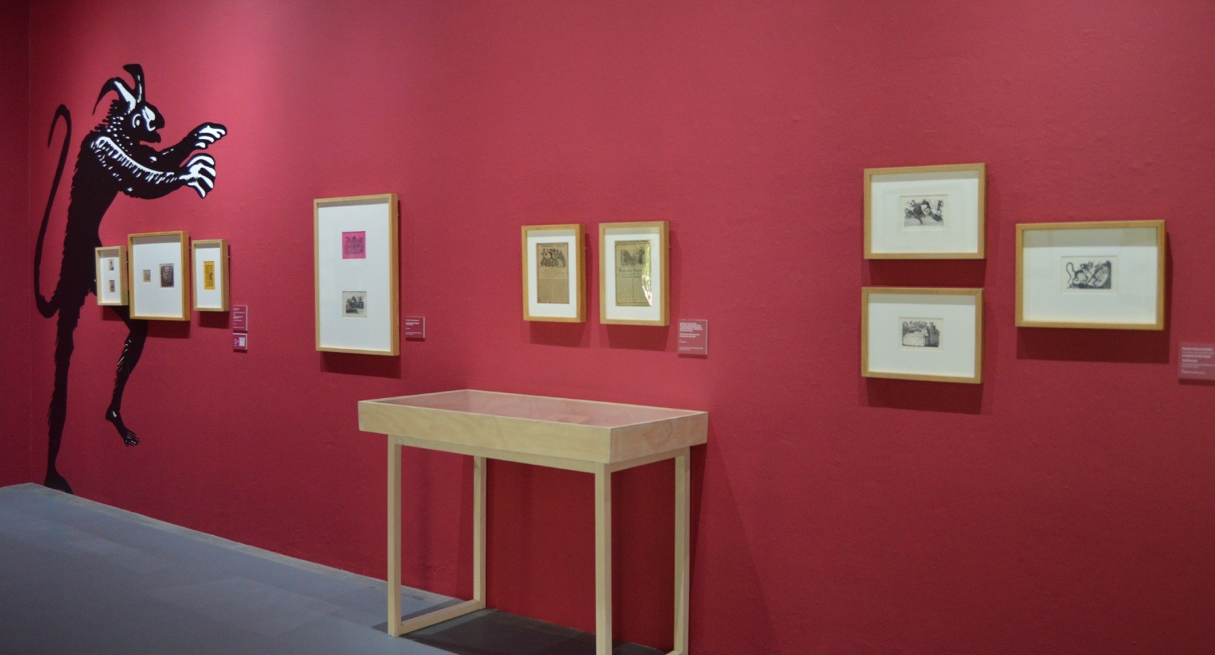 They date back to an early stage of his career, developed in Aguascalientes before his move to Mexico City, and reveal a formative moment in which his interest in the image as a narrative tool is already evident.
This narrative dimension permeates much of his work. Posada could move seamlessly from celebration to disaster, from entertainment to news, with the same ability to capture the attention of an audience eager for information and stories in a single image. Mexican National Anthem , The Flood of León , The Great Derailment , The Terrible Earthquake , and The Sad and Amusing Detachment of the Cathedral Clock showcase different facets of a body of work deeply connected to the current events of his time. Alongside these are prints related to corridos and songs, further expanding the scope of a production closely tied to popular culture.
The thematic variety is reflected in the diversity of techniques employed by the artist. The exhibition brings together examples of lithography, color lithography, lead engraving, and zincography, a technique based on the use of a zinc plate as a matrix, which Posada developed in Mexico City to illustrate the publications of Antonio Vanegas Arroyo. His work with these publications was crucial to understanding both the circulation of his images and their ability to reach a wide audience.
In this context, the relationship between image and text takes on particular importance. Posada worked in a publishing world where prints, news items, songs, and stories shared space and contributed to constructing a specific way of viewing the present. His images were not merely illustrations of events: they participated in how those events were interpreted, discussed, and remembered.
Music also occupies a significant place within the exhibition. Songs, songbooks, and prints allow us to reconstruct an era in which image and word coexisted in numerous popular publications. The sound materials incorporated into the exhibition expand this dimension and recover part of the cultural landscape in which Posada's works acquired meaning.

You may be
interested
...