Exhibitions
Maruja Mallo, two works for a Spain in motion
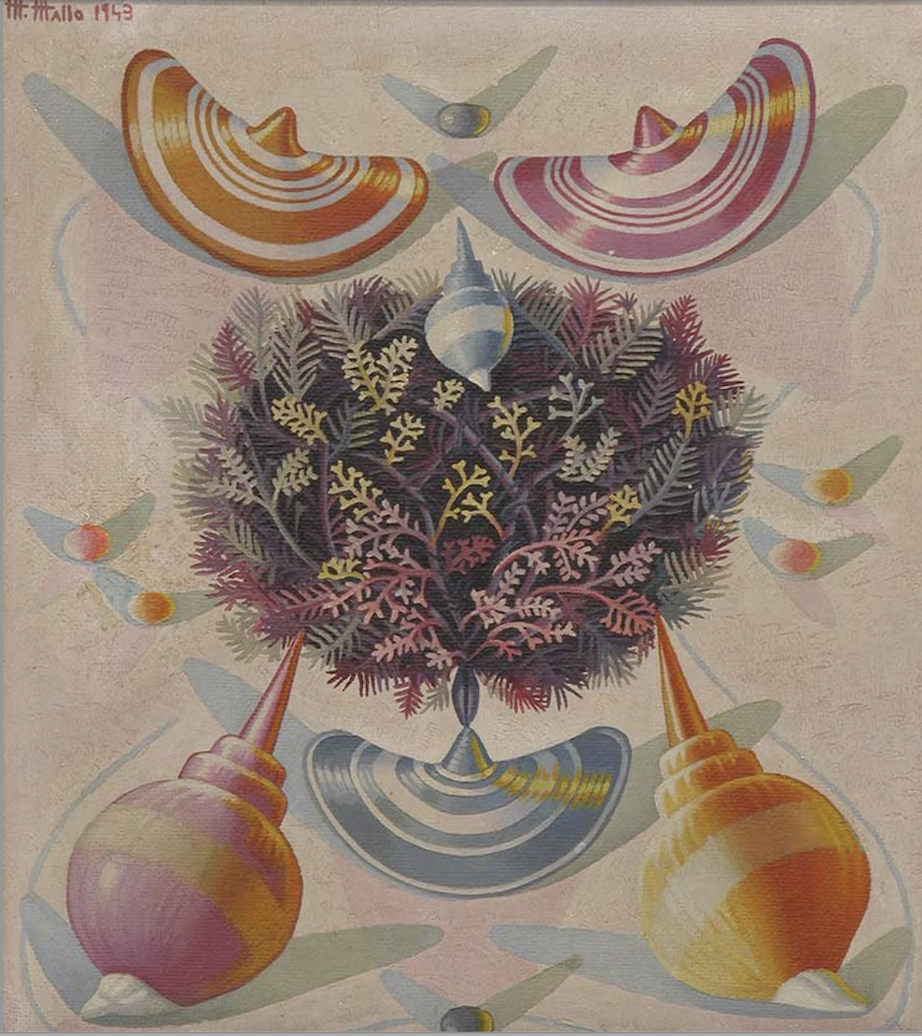
The 2026 edition of Mostra Espanha transforms its traditional "Guest Work" concept into a more pluralistic offering with the presentation of two works by Maruja Mallo, a key figure in the Spanish avant-garde. From September 15 to November 29, the MAC/CCB in Lisbon will host Basuras (1930) and Naturaleza viva (1943), two pieces that allow viewers to explore very different moments in the artist's career and, at the same time, engage in a dialogue with some of the central themes of this year's festival.
Under the theme "Spain in Motion: Diversity and Sustainable Futures ," Mostra Espanha 2026 presents a vision of Spain understood through movement, diversity, and transformation. In this context, Mallo's works acquire particular resonance by connecting art and culture with the oceans and sustainability, ecology and climate change, as well as with borders, rural areas, and territories in transformation.
Trash , created in 1930, belongs to a pivotal moment in Mallo's work and situates us in the gray peripheries of pre-Civil War Madrid. The artist transforms what usually remains outside the realm of representation—waste, remnants, abandoned materials—into artistic subject matter. The city thus appears from a perspective that questions its hierarchies and models of representation, anticipating a sensibility that can be interpreted today through contemporary concerns about consumption, waste, and the relationship between society and the environment.
In contrast to this somber, urban atmosphere, Naturaleza viva (Living Nature ), from 1943, introduces a radical shift in landscape, color, and experience. This work belongs to Mallo's years of exile in the Americas and evokes the natural world of the Chilean coast of Valparaíso, where the artist found new inspiration to develop a style of painting deeply connected to the land, nature, and its organic forms. The transition between these two pieces allows us to observe not only the evolution of her artistic language but also how geographical and personal displacement transformed her way of seeing.
The temporal distance between 1930 and 1943 thus acquires a dimension that transcends the strictly chronological. Between these two works unfolds a journey marked by historical rupture, exile, and the discovery of other landscapes. Mallo moves from the margins of a European city to the American coasts, from urban detritus to vibrant nature, constructing an artistic geography traversed by mobility.

You may be
interested
...