Exhibitions
Extraordinary Works, a critical look at the ways of living in neoliberal Chile
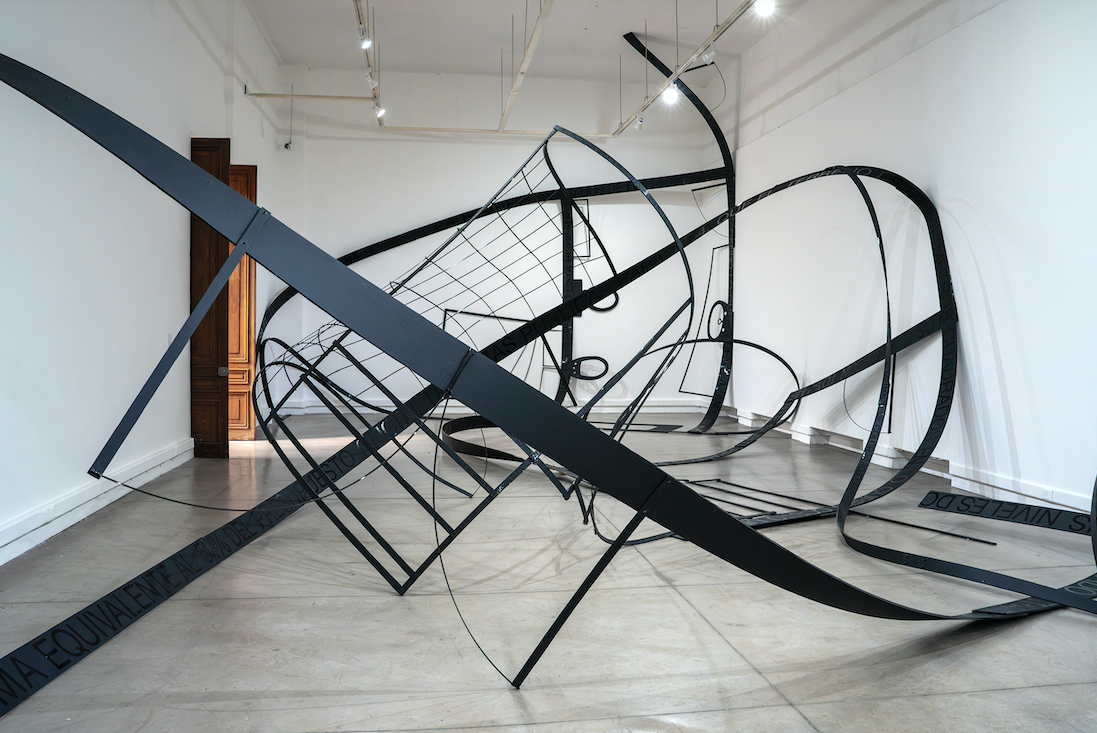
The Museum of Contemporary Art of Chile (MAC), at its Parque Forestal location, presents Extraordinary Works , an exhibition by Carolina Illanes that offers a critical review of housing policies developed in neoliberal Chile. Curated by Joselyne Contreras Cerda, the exhibition will be on view until October 11, 2026, following its opening on July 11.
The project places Santiago at the center of an investigation that understands the city not only as an urban territory, but also as a stage for conflicts surrounding access, ownership, housing, and ways of life. From this perspective, Illanes examines how housing policies and the real estate market influence the configuration of domestic spaces and, at the same time, condition bodies, movement, and social relations.
The exhibition stems from an artistic investigation developed over a long period, in which the artist combines the consultation of archives and records related to housing with processes of speculative reconstruction of living spaces. The result brings together a site-specific installation, graphic interventions, archival documents, and an audiovisual piece that allow us to approach dwelling as a simultaneously material, political, and biopolitical issue.
One of the central elements of the project is the full-scale reconstruction of a portion of the Lo Curro Mansion, a residence built during the 1980s for Augusto Pinochet Iriarte and his family. The property currently belongs to the Chilean Army's Welfare Division and operates as the Chile Military Club.
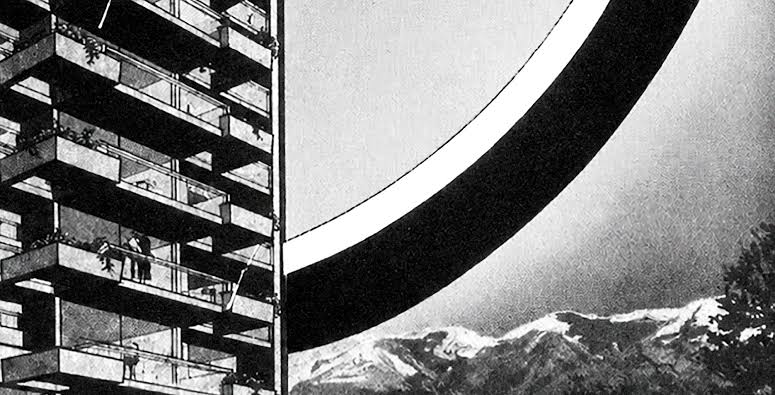
Illanes does not reproduce the building in its entirety. The installation occupies approximately 300 square meters, an area that represents about 5% of the built complex. The architectural fragment thus becomes a site-specific piece that allows for an exploration of the relationships between architecture, power, heritage, and ownership from a contemporary perspective.
The choice of the Lo Curro Mansion also introduces a symbolic dimension to the research. Reconstructing a space conceived as the private residence of a family linked to power allows for a confrontation of the forms of access to housing and the inequalities that permeate Santiago's urban development. Domestic space ceases to be understood as an exclusively private sphere and becomes a territory where certain economic and political structures are made visible.
The creative process, especially in its later stages, benefited from the collaboration of a team comprised mainly of artists and an architect. This collective effort helped to materialize the various pieces that make up the exhibition and to translate the documentary research into a direct spatial experience.
In this sense, Extraordinary Works proposes an interpretation of dwelling that goes beyond architecture. Archives, housing records, and the reconstruction of spaces function as tools to analyze how cities are organized and who can occupy certain territories. Santiago thus emerges as a space of negotiation and conflict in which housing policies, the real estate market, and power structures determine different life possibilities.



You may be
interested
...