Exhibitions
Cristian Dițoiu lights up the MNAC in Bucharest
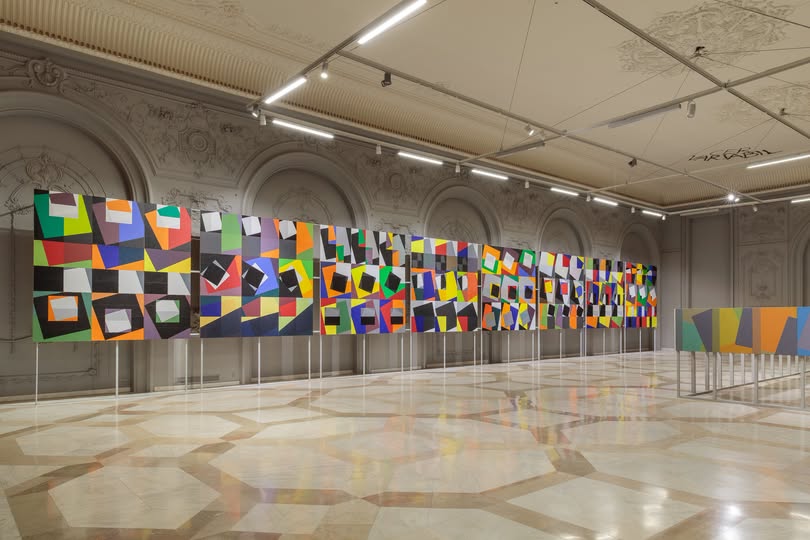
The National Museum of Contemporary Art in Bucharest (MNAC) presents Illuminations , an exhibition dedicated to the Romanian artist Cristian Dițoiu, which will be on view until October 18, 2026. Curated by Călin Dan, the project brings together a pictorial production marked by seriality, repetition and a radically abstract conception of painting.
The exhibition's title introduces a certain paradox from the outset. Lighting is usually linked to stage design, drama, and the construction of a particular perspective on reality. In contrast, Dițoiu's pictorial universe is far removed from any spectacular or theatrical intent. His works do not seek to represent a scene or guide the viewer toward a specific narrative, but rather to construct an experience based on accumulation and repetition.
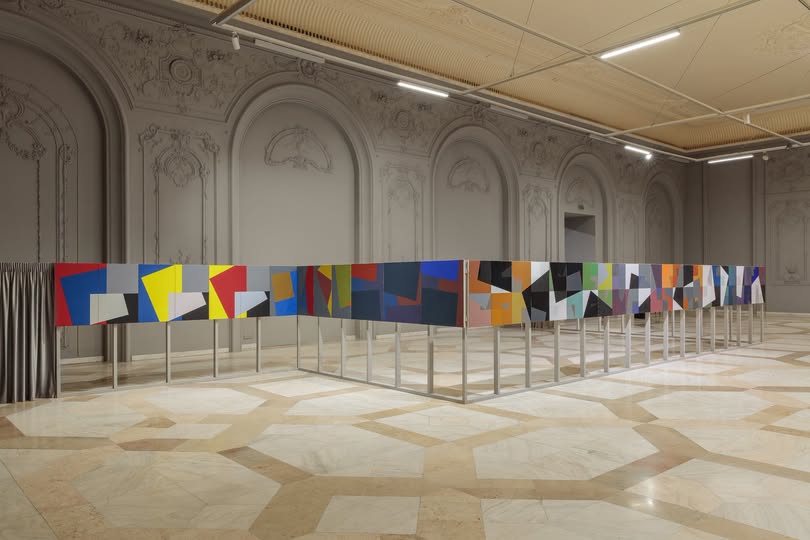
Dițoiu's painting thus unfolds through series in which each piece maintains a close relationship with the others. The individuality of the work seems to dissolve in favor of the whole, while repetition acquires a structural role. The result is monumental compositions in which the effect is not expansive, but absorbing: a rhythmic succession that invites contemplation of the painting as an autonomous territory, detached from any external narrative.
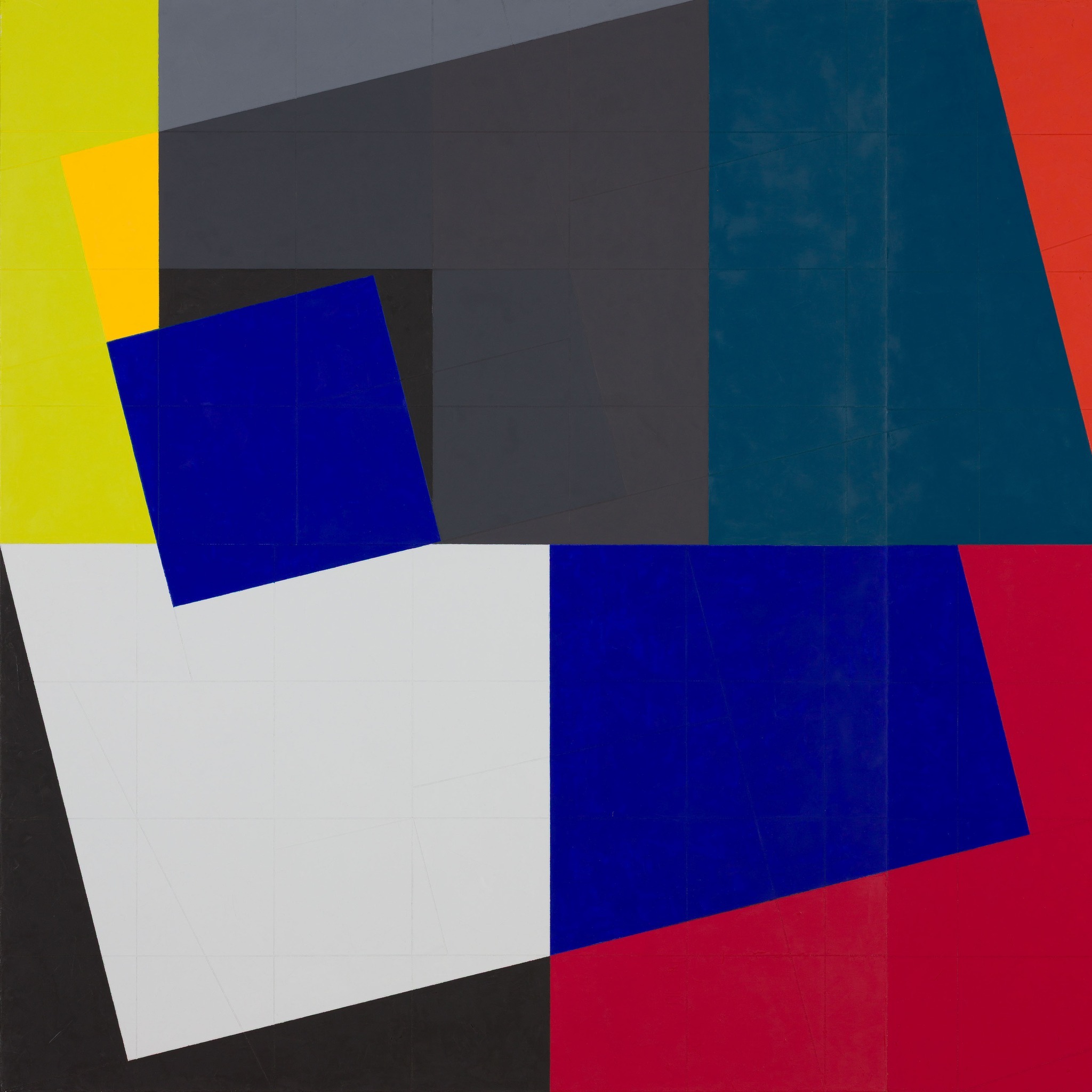
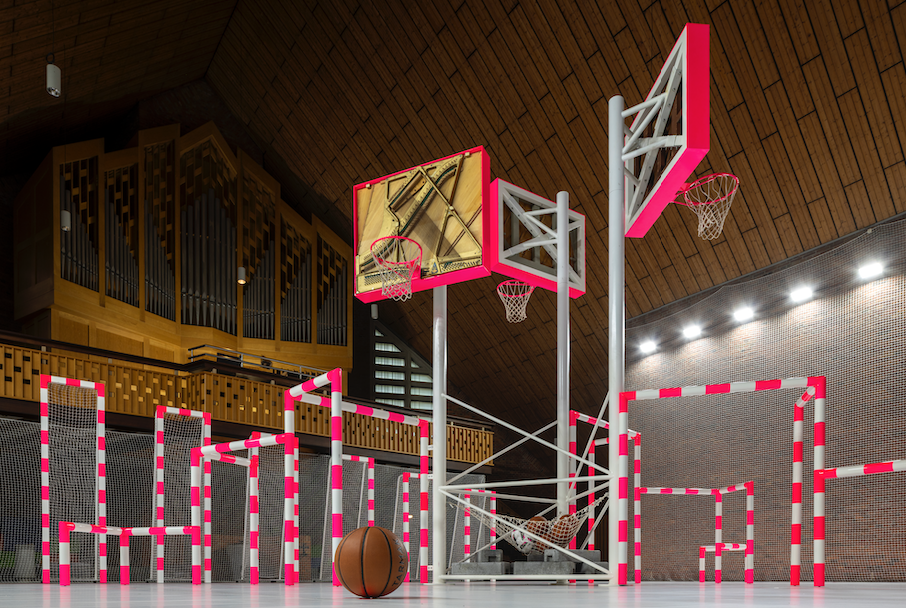
Cristian Dițoiu, Stage-lighting X20 Photo: Serioja Bocsok / MNAC Bucharest.
This tension also defines the artist's relationship with his own painting practice. His works can be understood simultaneously as a tribute to painting and as a way of distancing himself from it. In this movement of approach and distance, Dițoiu questions what we understand as a work of art, as beauty, or even as value.
In this sense, Illuminations raises a reflection that goes beyond abstraction. The exhibition revisits a recurring theme in the history of culture: the relationship between art and craft, between technical mastery and artistic creation. Far from offering a definitive answer, Dițoiu's works open up a space for questioning the boundaries that separate these two concepts and the need to establish categories that, in practice, can be far more ambiguous than they appear.
Repetition, rhythm, and accumulation thus become tools for exploring these boundaries. Instead of seeking a single image or a powerful statement, Dițoiu constructs a language sustained over time, where each work acquires meaning in relation to the others.
You may be
interested
...