
Exhibitions
Manifesta 16 puts the spotlight on the abandoned churches of the Ruhr
The European biennial explores new uses for temples in the Ruhr with a prominent participation of Catalan creators.
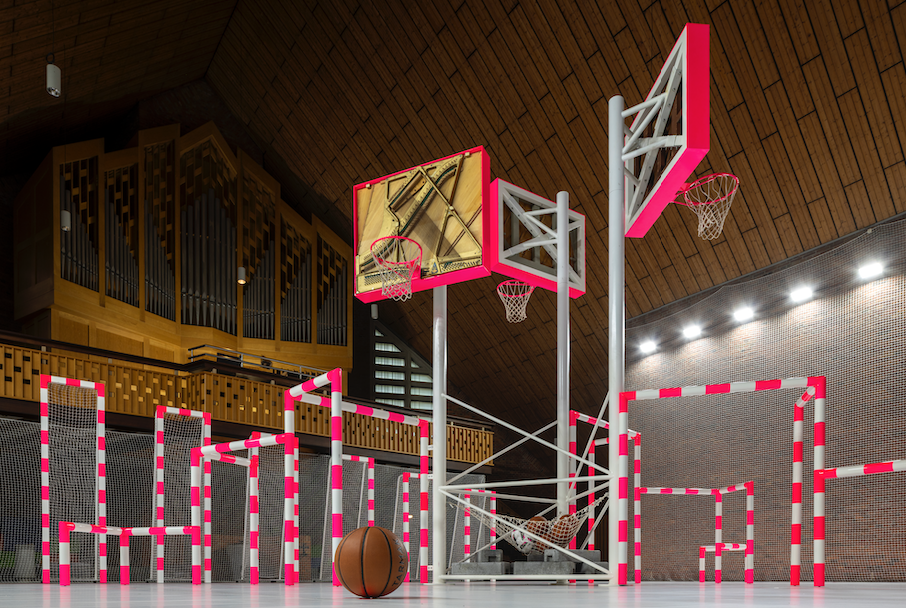
What happens to spaces that have been the center of community life for decades when they no longer fulfill their original function? This is one of the questions raised by Manifesta 16 Ruhr, which focuses on abandoned or underused neighborhood churches to explore how they can reclaim a role within the communities that surround them.
Under the motto This is not a church , the European Nomadic Biennial proposes a new look at these buildings, beyond their architectural or heritage value. The aim is to investigate how they can become new spaces for culture, citizen participation and encounter, in a region marked by important urban and social transformations.
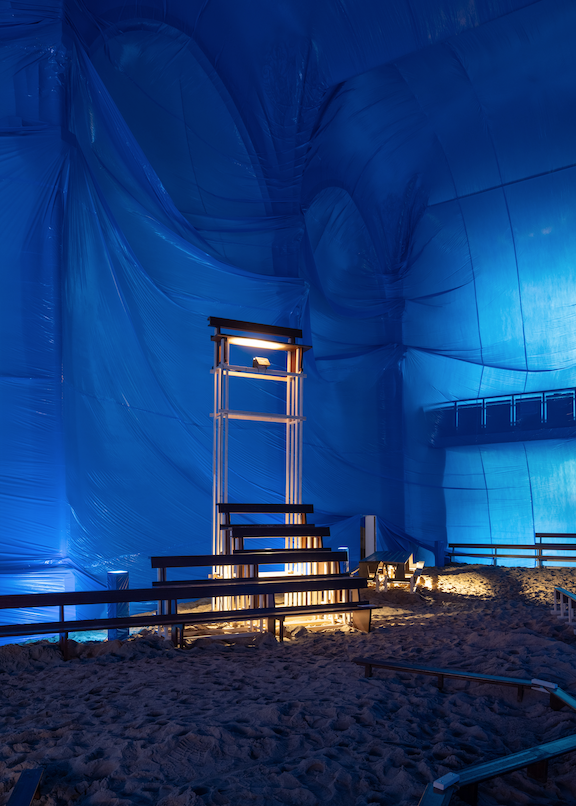
Work by Curro Claret.
The cities of Duisburg, Essen, Bochum and Gelsenkirchen are hosting this sixteenth edition of Manifesta, which can be visited until October 4. The program occupies twelve old churches and turns them into stages for exhibitions, installations, gardens, art schools, workshops, musical spaces and other initiatives linked to community life.
The proposal takes on a special dimension in the German context, where it is estimated that more than 20,000 churches could be left empty or decommissioned over the next decade. Faced with this reality, Manifesta proposes the reuse of these buildings as an opportunity to recover local spaces and strengthen ties between citizens.
The edition has a prominent Catalan participation. The architect and urban planner Josep Bohigas is part of the team of creative mediators and has a central role in the development of the curatorial proposal This is not a church . His work is based on the desire to understand architecture as a tool for social transformation and to recover existing spaces to give them new functions.
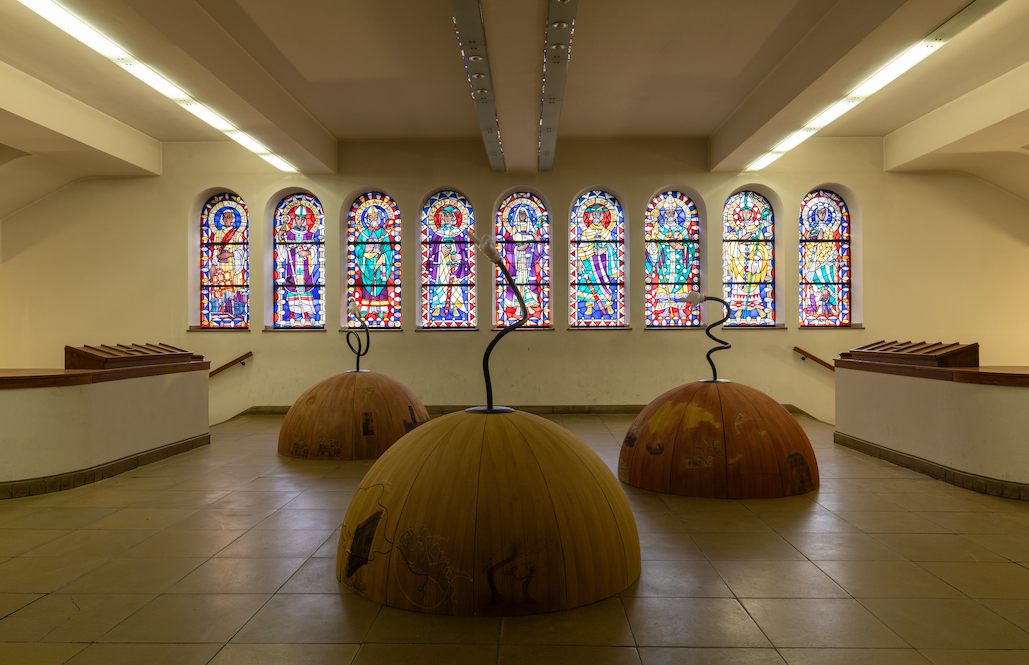
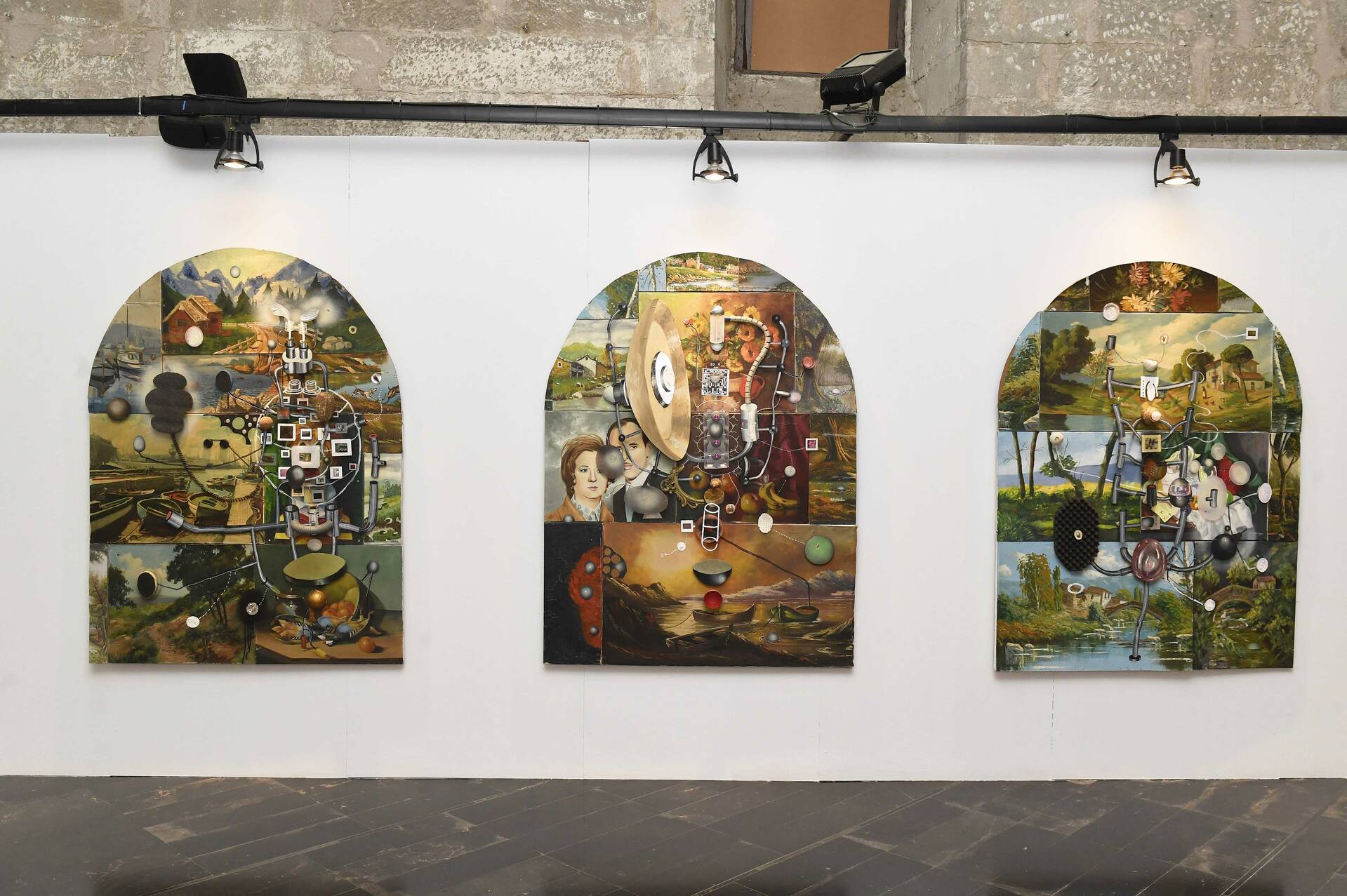
Work by Donja Nasseri.
The Catalan presence is completed with four projects included in the program For Whom the Bell Tolls? . CaboSanRoque presents FAIL LOUDER ; Curro Claret, This is not a church pew ; Penique productions, Möglich Unvorhersehbar ( Possibly unpredictable ); and the Valencian Llorenç Barber, together with Montserrat Palacios, participates with How Long a Clapper's Shadow Falls . The participations have the support of the Institut Ramon Llull.
This presence gives continuity to the relationship between Manifesta and Catalan culture, especially visible in the previous edition of the biennial, Manifesta 15, held in the metropolitan area of Barcelona and with the participation of more than thirty Catalan artists.
The Ruhr, with over 5.3 million inhabitants, offers a particularly suitable context for this reflection. The region has built much of its contemporary identity from the conversion of former industrial spaces into cultural facilities. Now, Manifesta extends this experience to the so-called Pantoffelnkirchen , small neighborhood churches that for decades acted as meeting points and that have now lost much of their function.
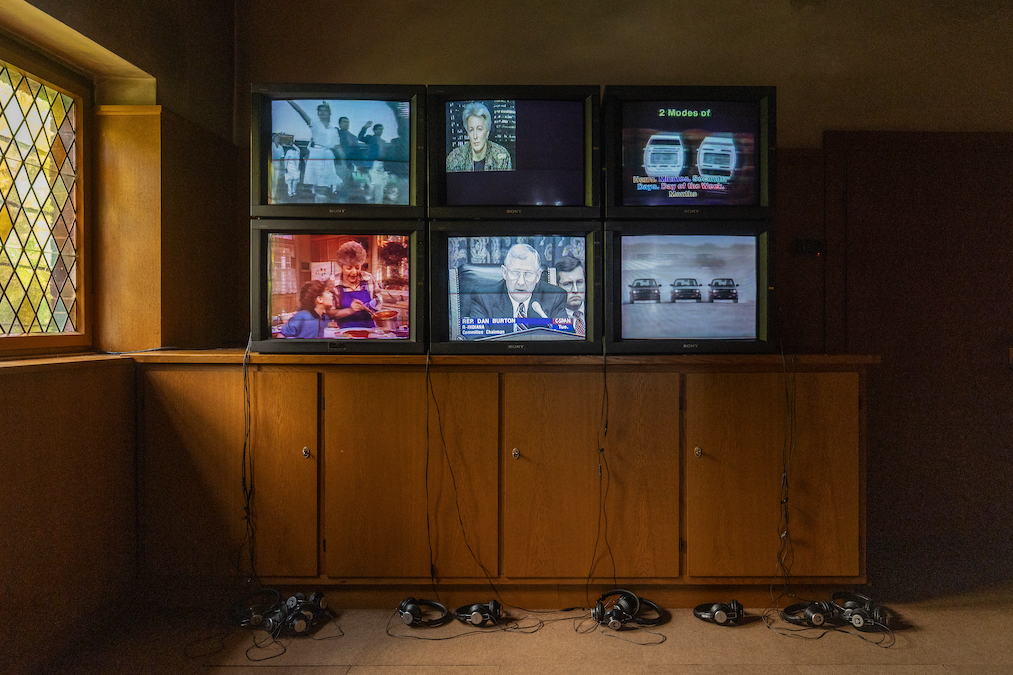
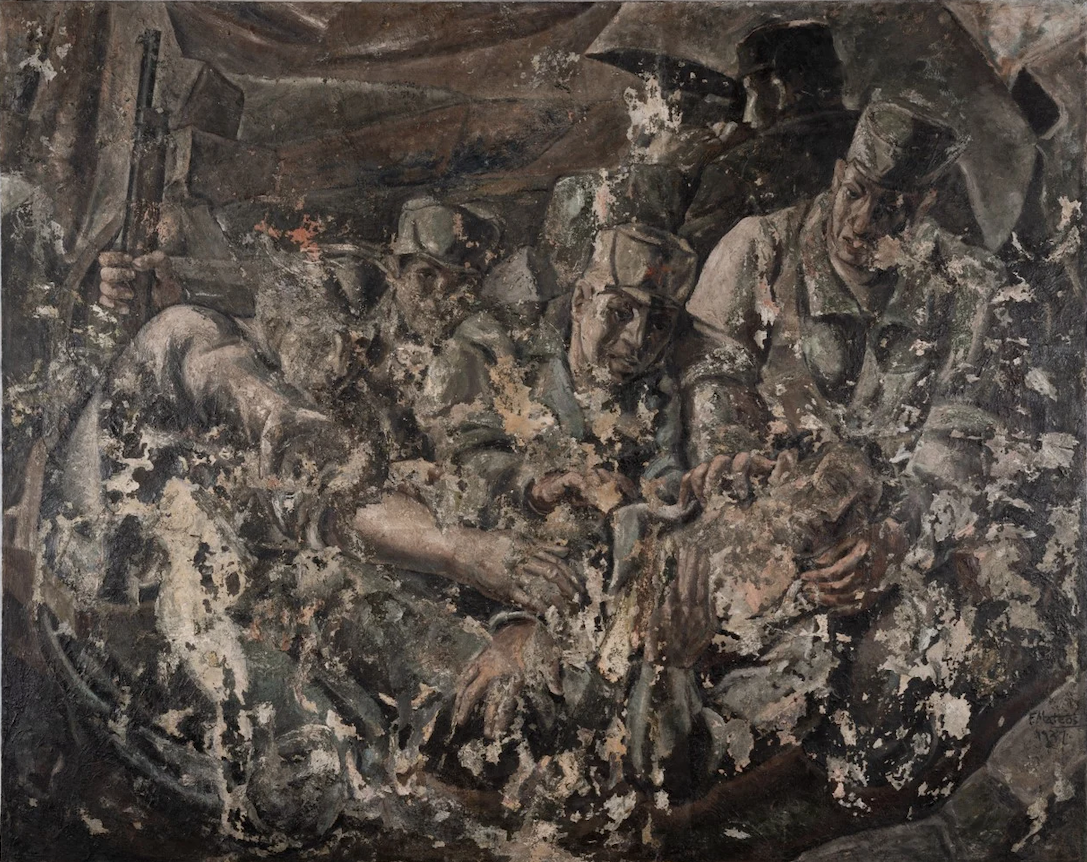
Work by Marion Stokes.
The project has been developed after an extensive process of research and citizen consultation, with the participation of different generations and professionals from several countries. This collective vision also extends to Manifesta 16+ , a program that incorporates 16 community-based initiatives in six other Ruhr cities and is working on the transformation of other religious buildings.
In total, Manifesta 16 Ruhr brings together 107 participants from 31 countries and presents 67 new commissions. Germany, Poland and Turkey have a particularly prominent presence, in relation to the complex migratory and social history of the region.


You may be
interested
...