Exhibitions
Buenos Aires will discover the Frida Kahlo who exists behind the myth
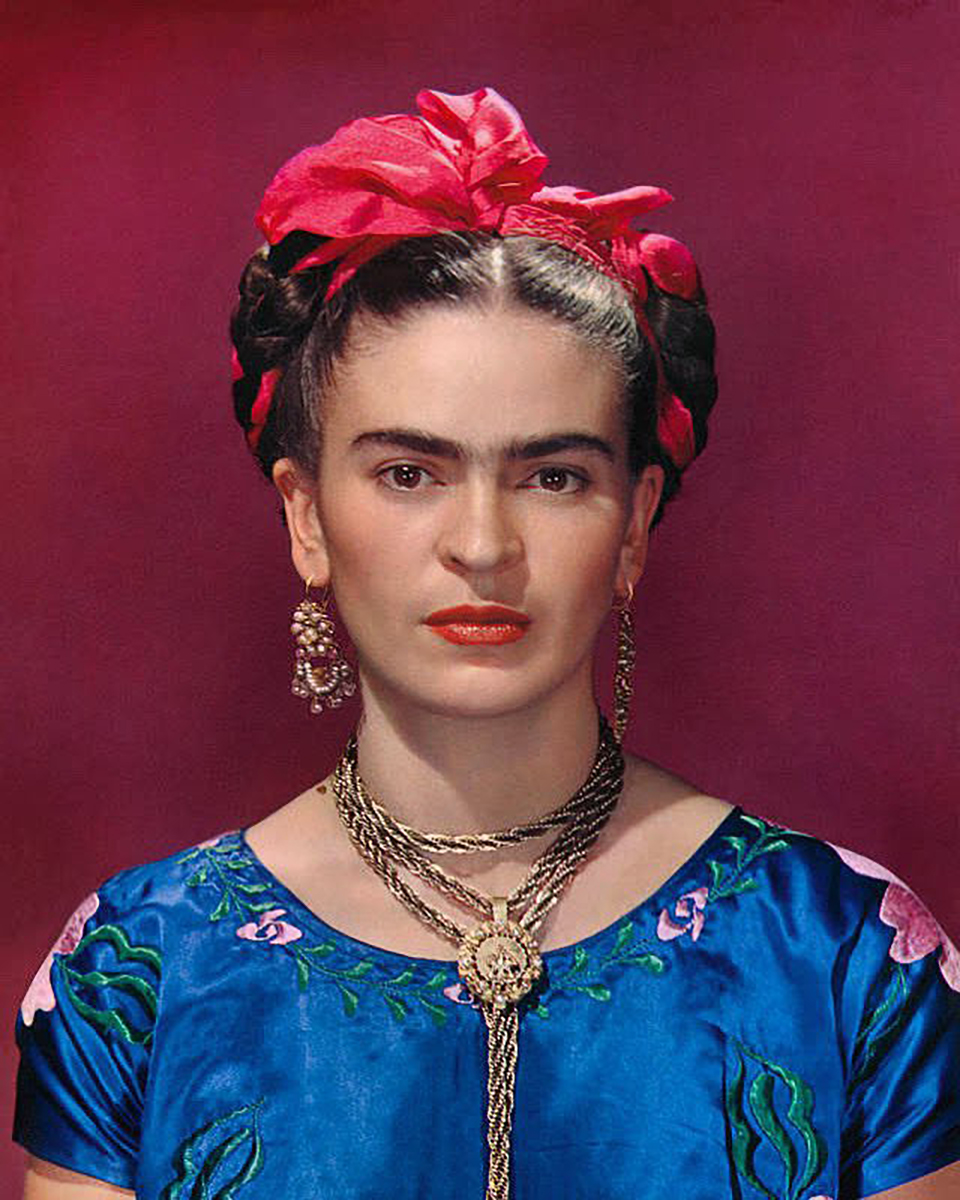
The intimate world of Frida Kahlo arrives in South America for the first time. The Museum of Latin American Art of Buenos Aires (MALBA) is preparing for the September opening of Viva Frida , an exhibition that offers a closer look at one of the most influential Mexican artists of the 20th century from a perspective that goes far beyond painting: her daily life, her identity, her body, and the construction of an image that ultimately became a universal icon.
The exhibition will be on view at MALBA in Buenos Aires from September 19, 2026, to March 15, 2027, and will be part of the special programming with which the institution celebrates its 25th anniversary. The exhibition is organized by the Argentine Haute Couture Week (SAC), under the direction of Elina Costantini, in collaboration with the Frida Kahlo Museum in Mexico, which is responsible for preserving the artist's legacy at the historic Blue House in Coyoacán.
Viva Frida will bring together more than 365 original pieces from the Frida Kahlo Museum's collection. The exhibition will allow visitors to reconstruct a lesser-known dimension of the artist through traditional dresses, jewelry, accessories, orthopedic corsets, medical devices, family photographs, letters, drawings, and historical documents. These objects, far from serving as mere biographical accounts, help us understand how Kahlo transformed her own life into artistic material.
The exhibition thus offers an intimate look at Frida. Physical pain, Mexican identity, illness, her relationship with her own body, and her way of presenting herself to others appear as inseparable elements of her artistic production. Each object reveals a part of the personality of a woman who made her image, her clothing, and her personal experience into her own unique visual language.
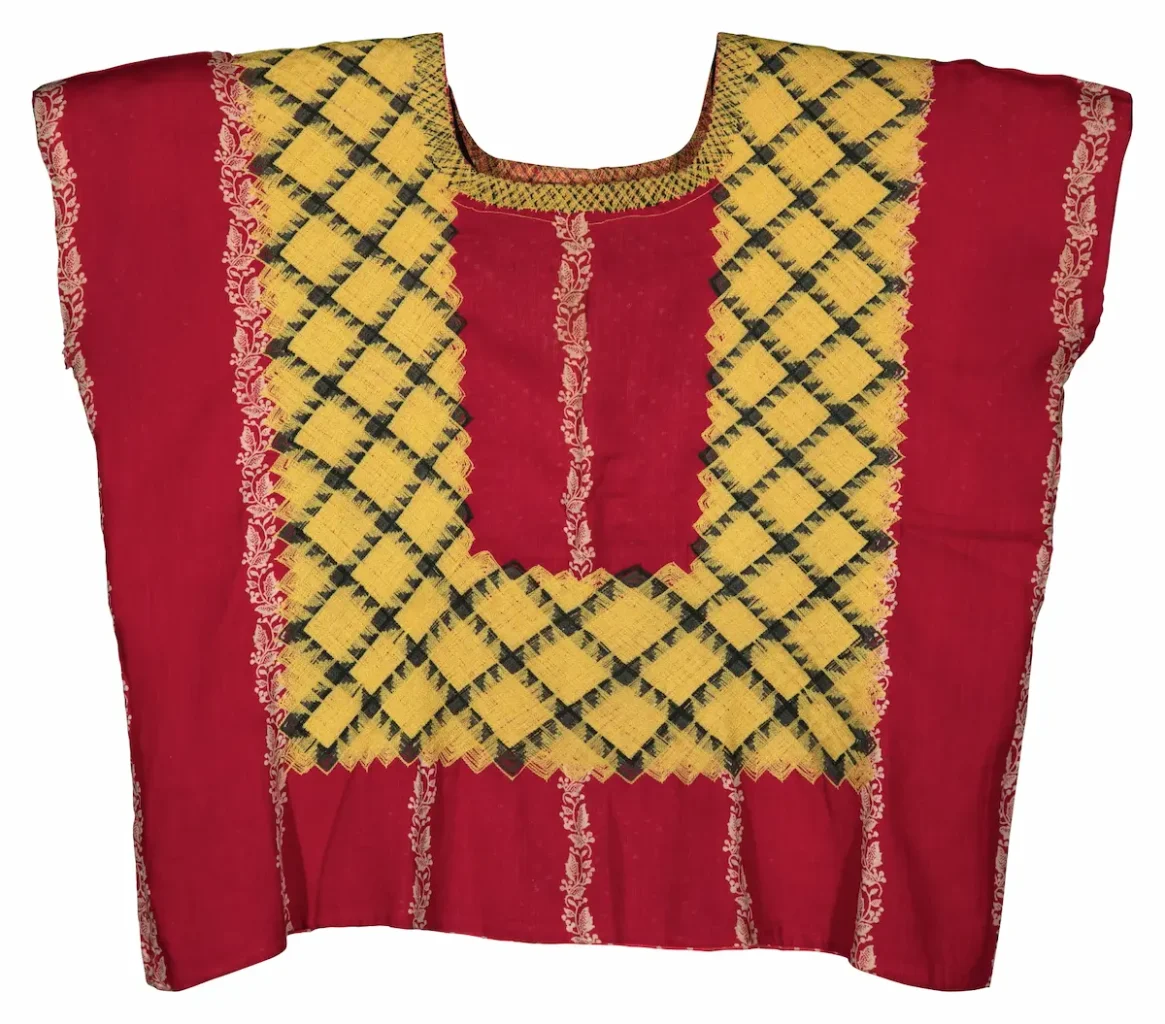
One of the key features of Viva Frida lies precisely in its curatorial approach. The exhibition, developed by Circe Henestrosa, an internationally renowned Mexican fashion historian and researcher, offers a perspective that departs from the traditional chronological sequence of events. Instead, the exhibition analyzes how Frida Kahlo used clothing and the objects that surrounded her to construct and express her identity.
Dresses, jewelry, accessories, and orthopedic corsets thus acquire a symbolic dimension. They are not merely pieces belonging to the artist's private life, but tools through which Kahlo shaped her own self-representation. Traditional Mexican clothing, alterations to her garments, and elements related to her body form part of a visual strategy that engaged directly with her self-portraits and the public image she cultivated throughout her career.
This perspective is further enhanced by the participation of Gannit Ankori, art historian and one of the world's leading experts on the work of Frida Kahlo. Her contribution broadens the interpretation of the exhibition and allows for an exploration of the artist's legacy from contemporary perspectives, delving into the relationships between identity, body, culture, and representation.
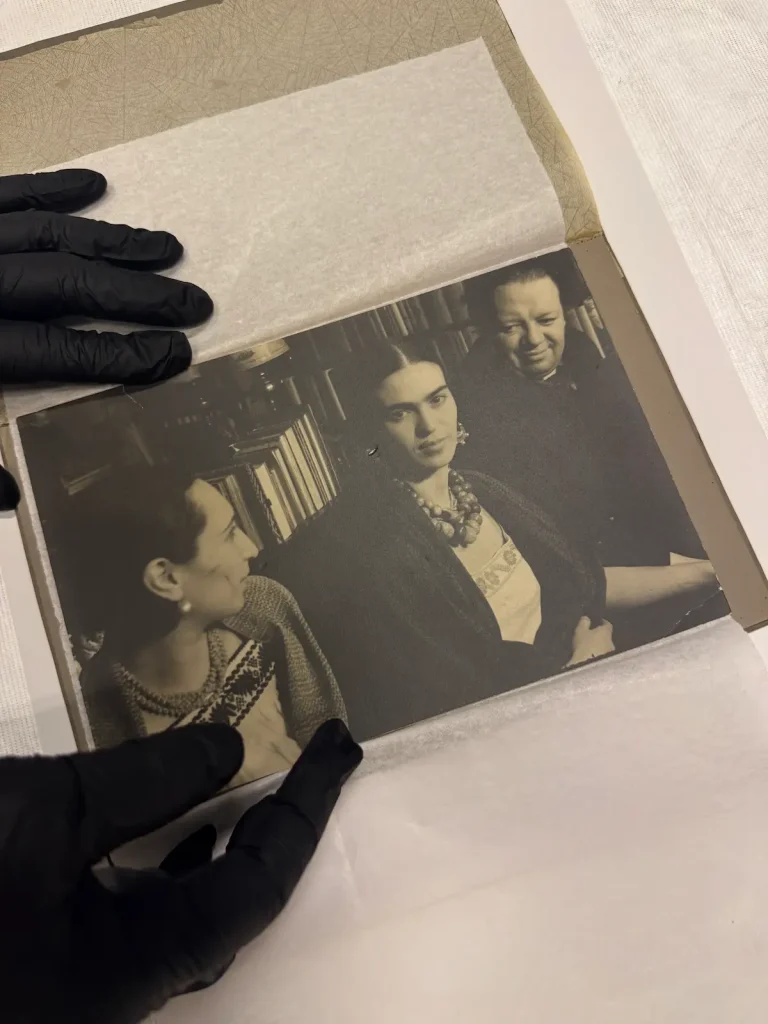
The result is an exhibition that aims not only to display objects belonging to Frida Kahlo, but also to explain their significance within her personal and artistic universe. Photographs, letters, clothing, and documents offer a glimpse into the woman behind the icon, while objects related to her illness and treatments introduce a particularly intimate dimension to the physical experience she endured for much of her life.
The arrival of Viva Frida at MALBA also represents a particularly significant event for the international dissemination of the Blue House's heritage. It is the exhibition's first presentation in South America, making Buenos Aires the setting for an exceptional encounter between one of the most important collections linked to Frida Kahlo and the Latin American public.

You may be
interested
...