Opinion
Comuna 13: the art that was born from the wound
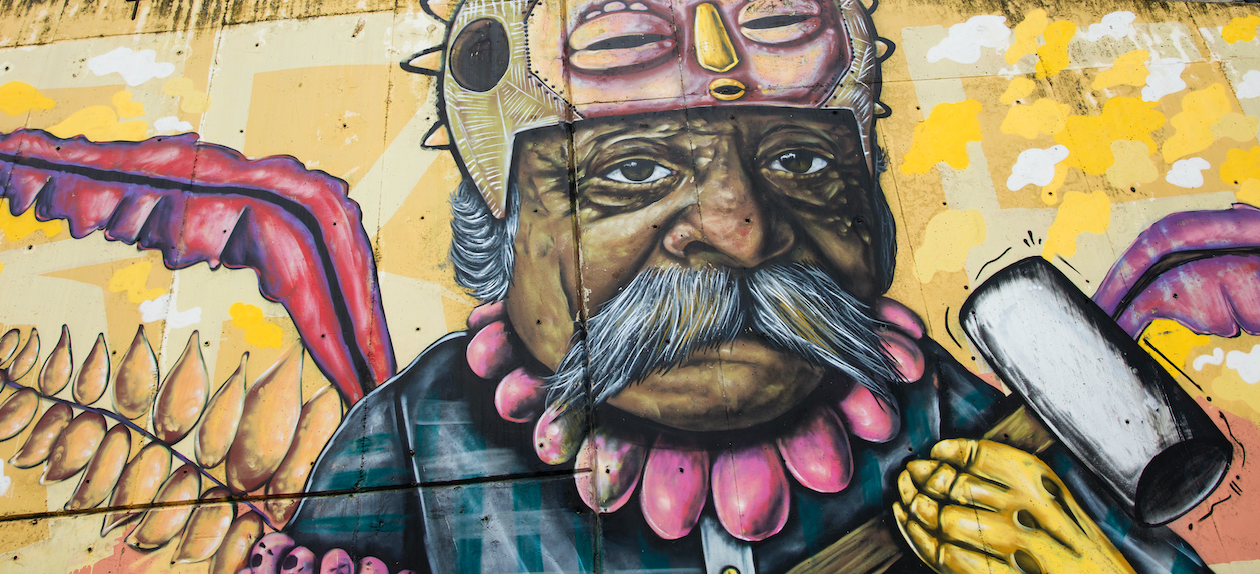
On the hillsides of Medellín, in the Colombian department of Antioquia, Comuna 13—San Javier—has become one of the most visible examples of how art can intervene in a territory marked for decades by violence. Where invisible borders, drug trafficking, disputes between armed groups, and fear once reigned, today the walls speak of memory, resistance, identity, and the future.
The transformation cannot be understood solely as an urban development project or a mere facelift. Comuna 13 has constructed a new narrative through its own inhabitants. Graffiti, muralism, hip-hop, breakdancing, and other expressions of street culture have come to occupy the space that for years was associated with conflict. Art did not arrive after the violence as a decorative element: it grew within it and became one of the tools with which the community began to tell its own story.
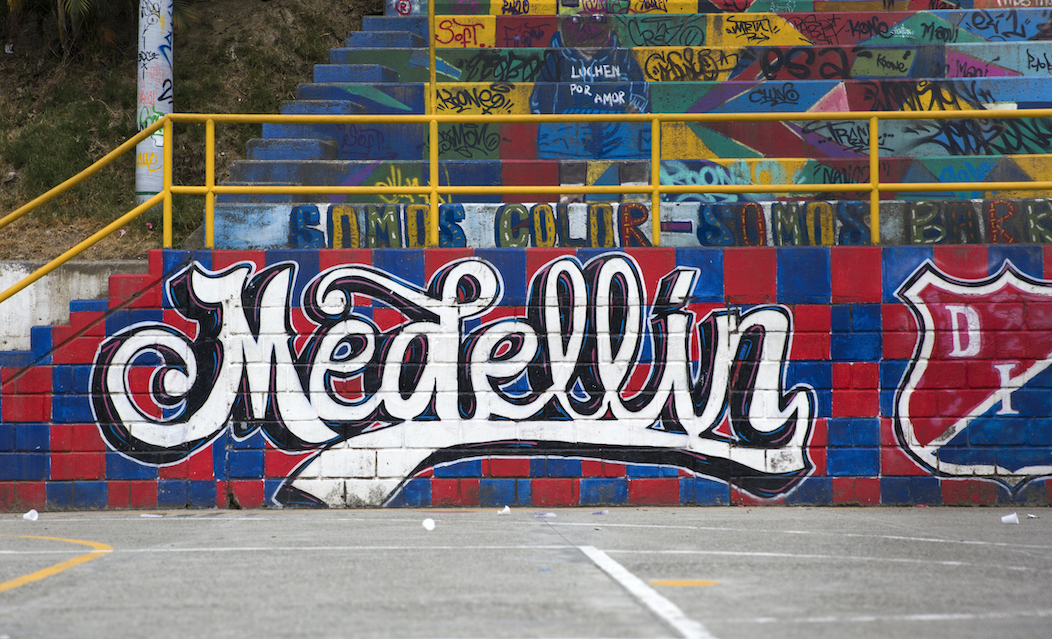
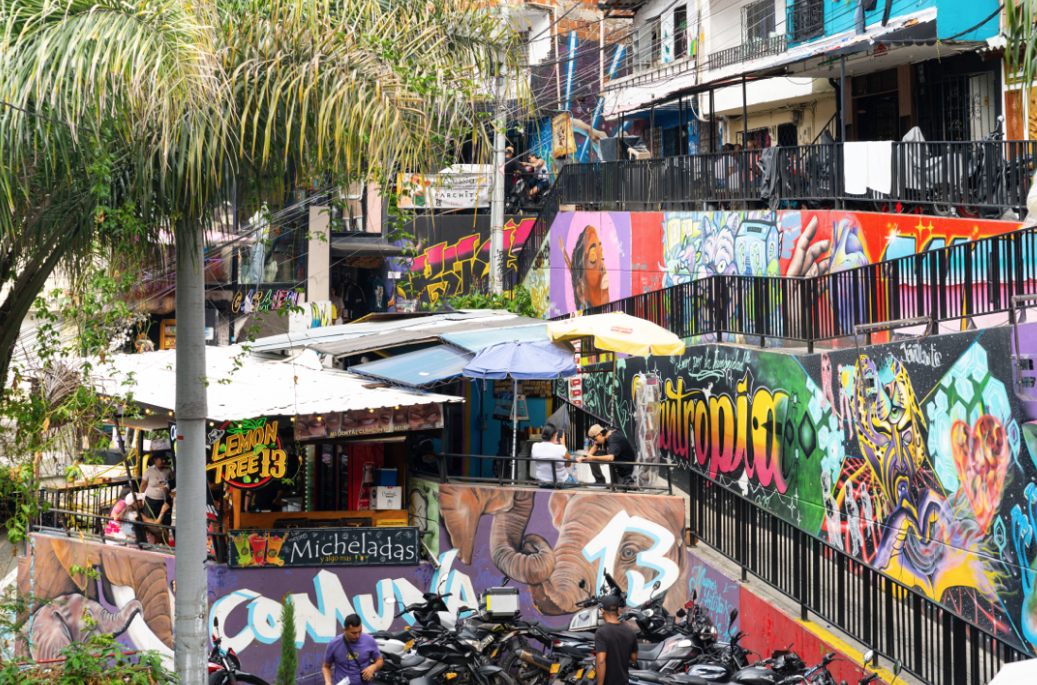
Walking through its streets is like stepping into a constantly evolving urban landscape. The facades are covered in large murals, portraits, figures, animals, symbols, and phrases that commemorate those who suffered violence or celebrate the neighborhood's resilience. Staircases become painted surfaces, and the streets function as open-air galleries where there is no clear separation between the artist, the artwork, and the public.
35th Street concentrates much of that energy. Graffiti is integrated into the everyday architecture, transforming a stroll into an artistic, yet also historical, experience. The colors, music, and movement of its streets coexist with images that recall a past still present. Here, urban art doesn't function simply as ornamentation: it is memory, protest, celebration, and a form of appropriation of public space.
During the worst years of the conflict, Comuna 13 was one of the hardest-hit areas of Medellín. The presence of various armed groups, territorial disputes, and the drug-trafficking economy shaped the daily lives of its residents. The violence turned the streets into spaces of control and established boundaries that restricted movement and relationships between neighbors.
One of the most traumatic episodes was Operation Orion, carried out in 2002, which left a deep mark on the community's collective memory. Decades later, the consequences of that period continue to appear in the stories and images that adorn the walls.
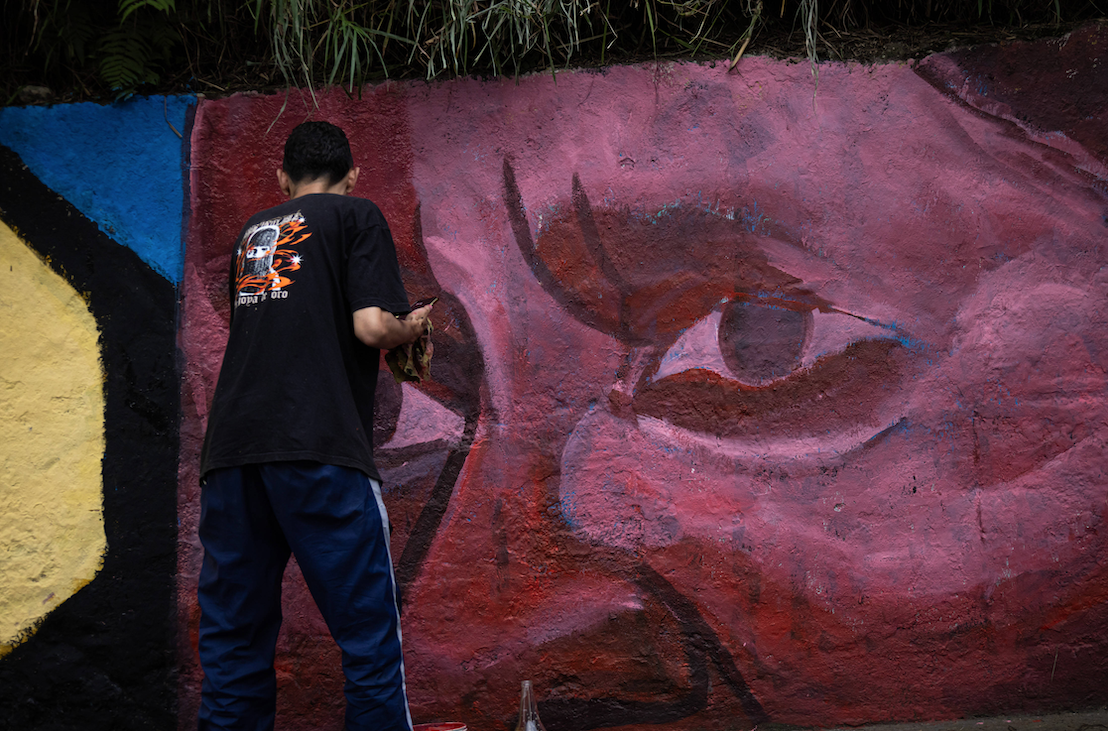
But in the face of this history of violence, another way of occupying the territory emerged. Young artists began using graffiti and hip-hop as languages to express themselves, reclaim the streets, and build new forms of community. Little by little, the walls ceased to be merely surfaces that delimited a territory and became places from which to narrate it.
In Independencias 1 and 2, this dimension is especially evident. The murals here acquire a particular intensity, and many of them are linked to the victims, the resistance, and memory. The result is a kind of collective visual archive in which images replace silence and allow stories that for years remained hidden or were difficult to tell to be kept alive.
Carrera 110 offers another of the most recognizable images of this transformation. The popular community slides, now one of the most photographed spots in the neighborhood, coexist with a basketball court whose mural demonstrates the extent to which art has been integrated into everyday spaces. This isn't an exhibition confined to a museum, but rather a practice that occupies courts, stairwells, facades, and corners of daily life.
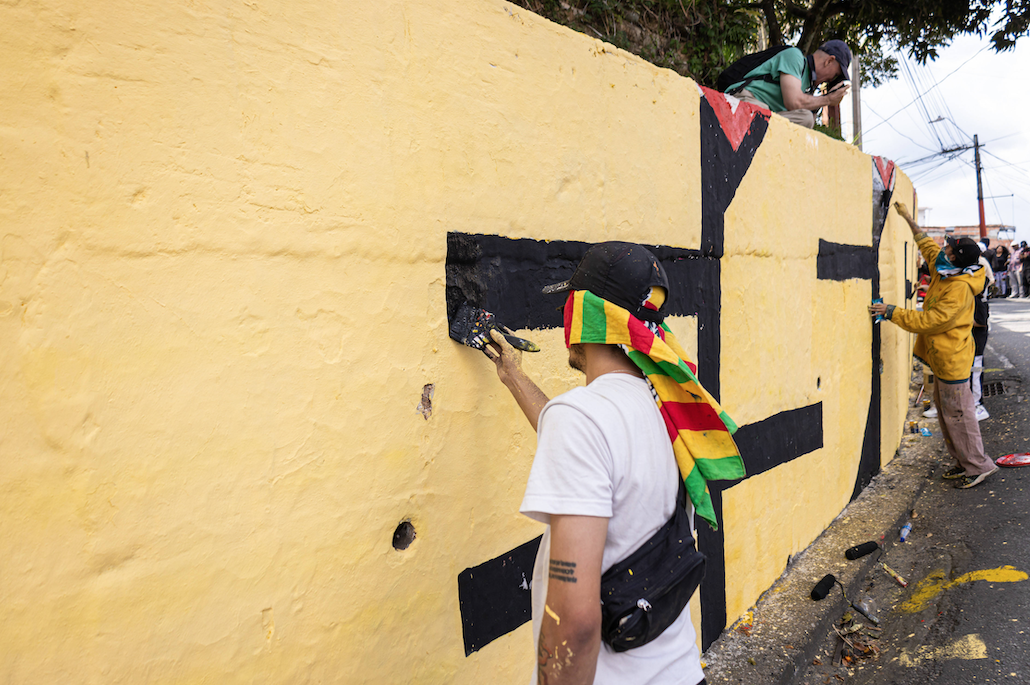
In this context, collectives like Casa Kolacho have played a fundamental role. Made up of artists, musicians, and community leaders, the collective has transformed hip-hop, graffiti, and memory into tools for education, resistance, and social transformation. Their work demonstrates that the artistic phenomenon of Comuna 13 cannot be reduced to a succession of murals intended for tourism: behind the images lies a community that has used culture to create opportunities and offer new generations alternatives to the dynamics of violence that marked the past.
The House of Memory, in the heart of Medellín, allows visitors to broaden their perspective and understand the historical context of a conflict that affected numerous neighborhoods in the city for decades. A visit to Comuna 13 thus takes on a new dimension when one understands that its colors do not erase the past, but rather engage in a constant dialogue with it.
The area's tourist success also raises questions. Comuna 13 has become a regular stop for visitors to Medellín, and its murals circulate internationally as images of a reinvented city. But behind this picture lies a complex history that shouldn't be reduced to a purely aesthetic experience. Graffiti originated as a form of expression for young people who needed to occupy a space and forge their own voice; later, this community-based creation also became an economic and cultural engine.
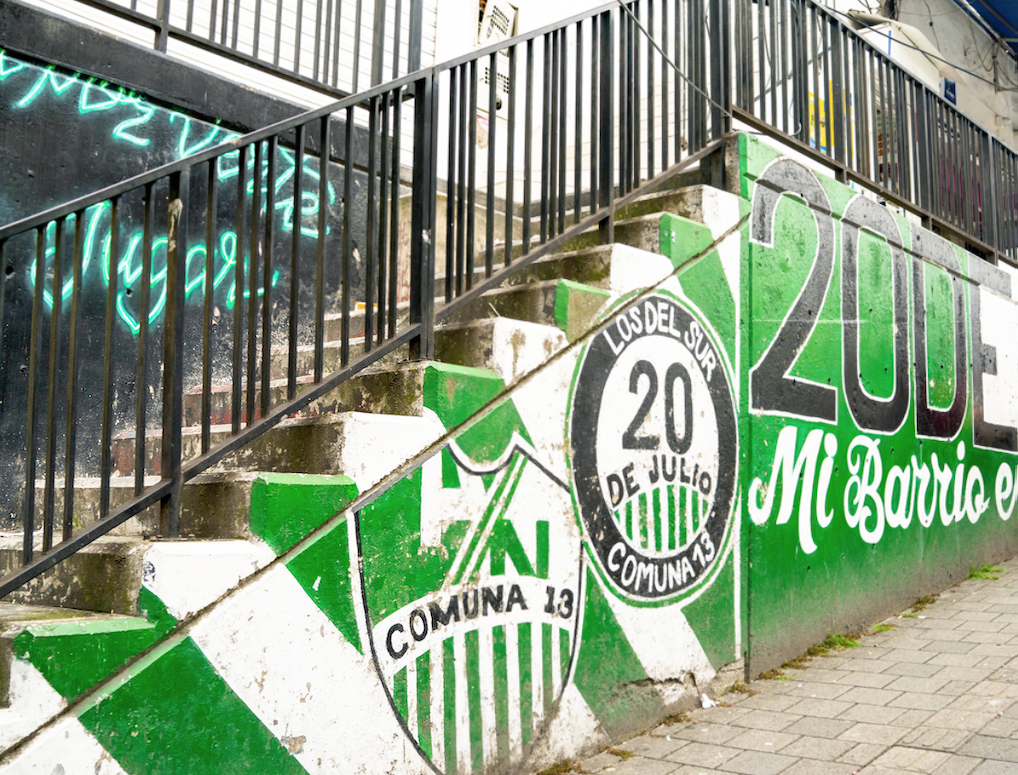
Today, the walls of San Javier function as an open-air exhibition where artworks can change, disappear, or be replaced. This ephemeral nature is precisely part of its strength. The neighborhood doesn't preserve a frozen image of itself: it continues to be written on its own walls.
The transformation of Comuna 13 doesn't mean the past has disappeared. Violence, drugs, and drug trafficking are part of a collective memory that still permeates the territory. What has changed is the way it's told. In contrast to the silence imposed by weapons, color, rhythm, dance, and words now emerge.
You may be
interested
...