Exhibitions
Gaudí, before architecture: the artisanal origins of a modern genius
The Ethnological and World Cultures Museum claims the footprint of traditional trades in the training of the creator of the Sagrada Família.
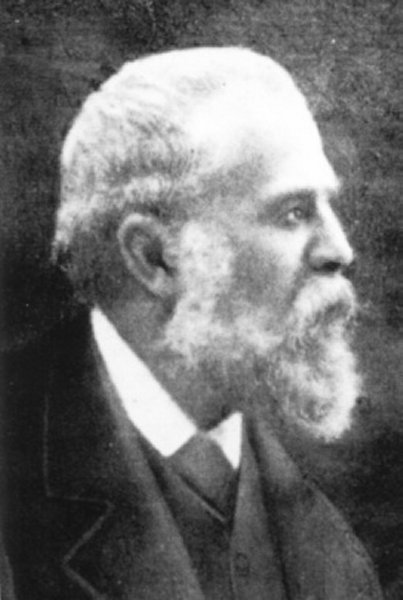
The Ethnological Museum and World Cultures (MuEC) joins in commemorating the centenary of the death of Antoni Gaudí with a new installation that offers a little-explored look at the architect's family and artisanal origins. The proposal, entitled Gaudí, origins. Forging tradition , can be visited at the museum's Montjuïc headquarters from July 16, 2026 to May 25, 2027, integrated into the institution's permanent exhibition.
Curated by Lluïsa Amenós, the exhibition starts from an essential but often lesser-known aspect of Gaudí's career: his close relationship with the world of manual trades. Through the link of his lineage with the ancient trade of boilermaking, the exhibition explores how the knowledge of metallurgy, especially the work of copper and iron, contributed to shaping his particular way of understanding architecture as a discipline linked to matter, technique and experimentation.
The installation vindicates Gaudí's figure not only as an innovative architect, but also as a creator born from direct contact with materials and the wisdom accumulated by craftsmen. Before transforming Catalan architecture with organic forms and revolutionary construction solutions, Gaudí grew up in an environment where the value of manual work, the precision of trades and the transmission of knowledge played a fundamental role.
Based on pieces from the MuEC's ethnographic collection, documents and visual resources, the proposal establishes a dialogue between popular culture and artistic creativity, between tradition and modernity. The tour invites us to observe Gaudí's work from a material perspective, where each constructive detail is born from a deep understanding of artisanal processes and the relationship between the human being and the elements he transforms.

You may be
interested
...