Exhibitions
When a seat tells the story of a country
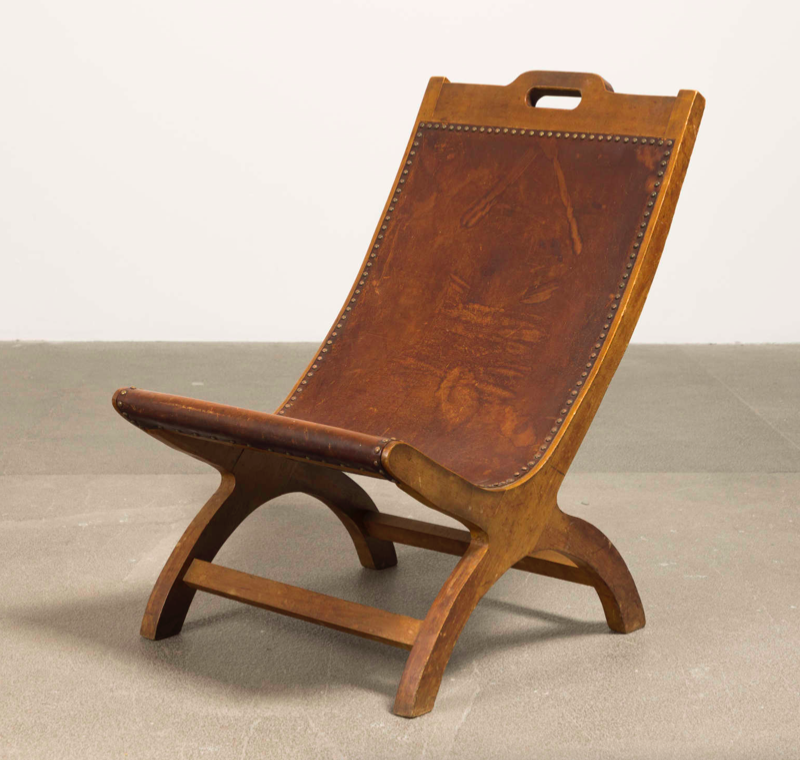
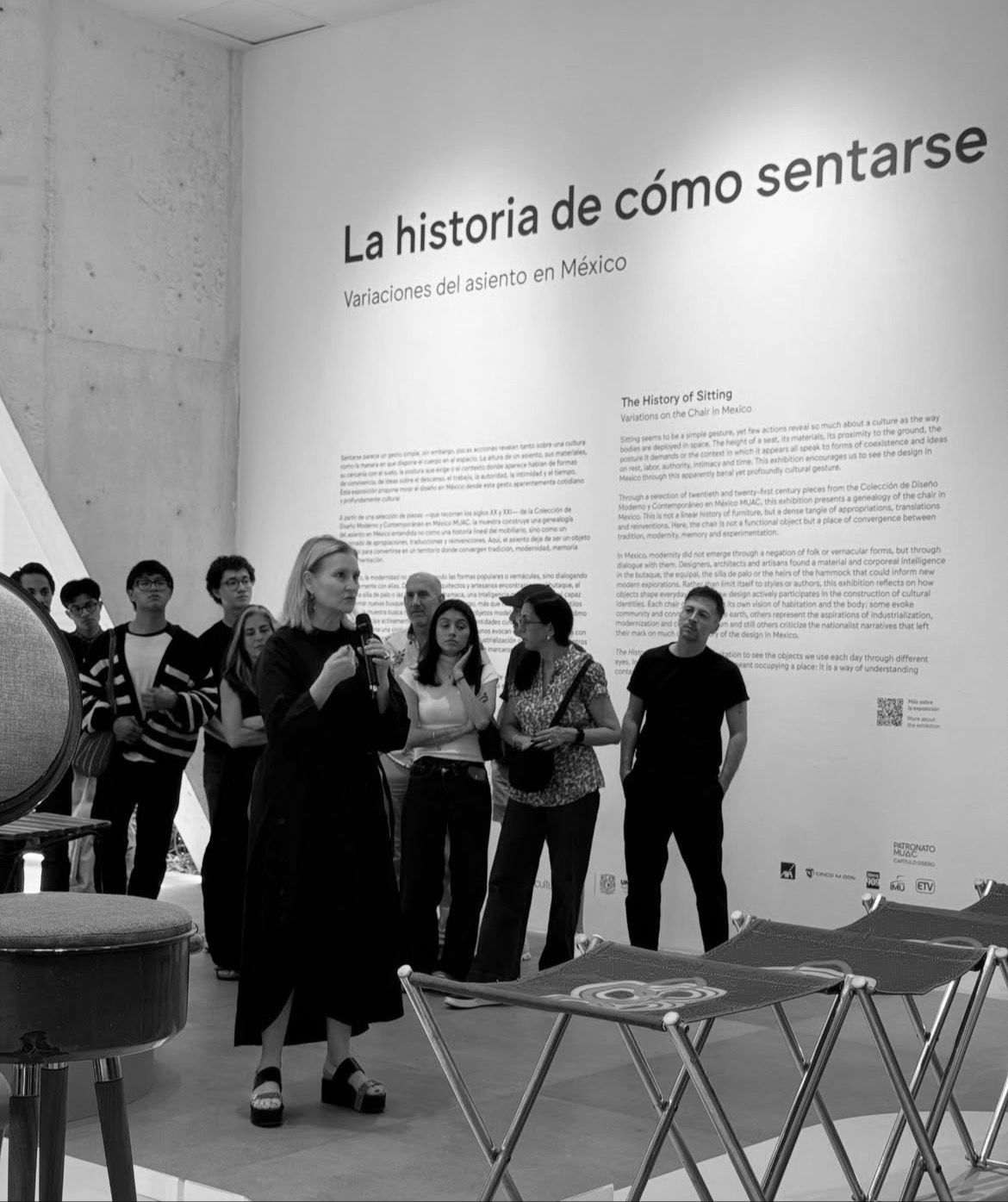
How does a society sit? The answer goes far beyond a question of ergonomics. At the University Museum of Contemporary Art (MUAC) of the National Autonomous University of Mexico (UNAM), the exhibition "The History of How to Sit: Variations of the Seat in Mexico" offers a fresh perspective on Mexican design through one of the most common objects in daily life: the seat. Far from understanding it merely as a functional piece, the exhibition reveals how each chair, bench, or armchair embodies a way of conceiving the body, space, and social relationships. The exhibition can be visited from August 1 to October 11, 2026, in the museum's Arkheia lobby.
Curated by historian and design specialist Ana Elena Mallet, the exhibition brings together a selection of 20th- and 21st-century pieces from the MUAC design collection. The exhibition traces a genealogy of seating in Mexico that departs from traditional chronological narratives to reveal a continuous process of exchange, reinterpretation, and innovation. The furniture thus emerges as a material testament to the cultural, social, and aesthetic changes that have shaped the country over the last century.
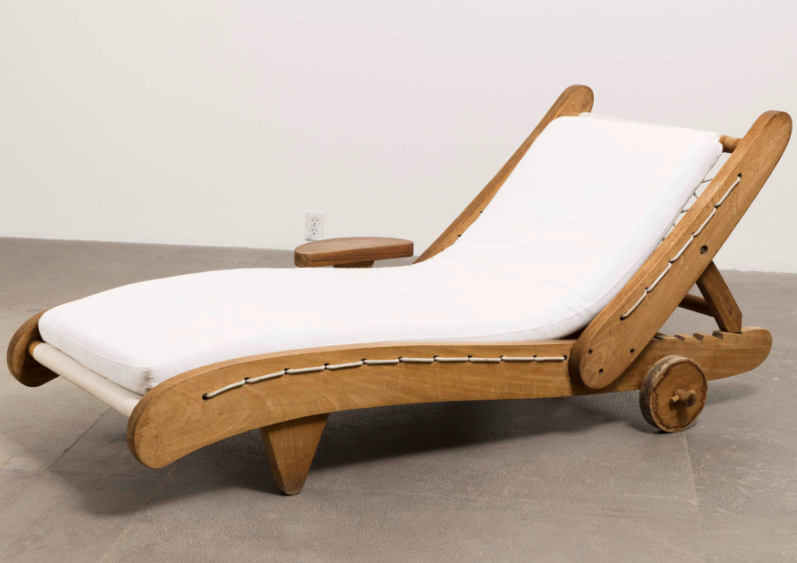
The proposal invites visitors to focus on aspects that usually go unnoticed: the height of the seat, the materials from which it is constructed, its proximity to the ground, the posture it imposes, or the context in which it was conceived. Each of these design decisions reflects a particular conception of rest, work, authority, or coexistence, transforming the furniture into a cultural document as eloquent as any work of art.
One of the exhibition's greatest strengths is placing design at the heart of the debate on Mexican identity. The assembled pieces demonstrate how artisanal traditions engage with industrial modernity, while international influences are reinterpreted through a local lens. Some seats evoke communal ways of life and a close connection to the land; others express a desire for modernization and cosmopolitan openness; and still others critically examine the nationalist discourses that for decades shaped design production in Mexico.
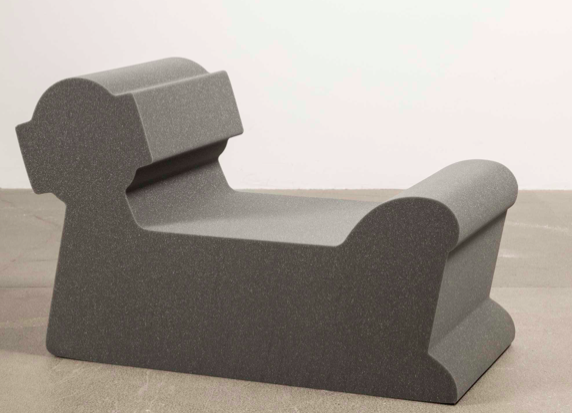
From a critical perspective, The History of How to Sit demonstrates that design cannot be understood solely as a discipline focused on solving practical needs. Each object on display reveals a way of organizing space and building relationships between people, highlighting that even the most everyday gestures are laden with historical, political, and cultural meanings.



You may be
interested
...