Exhibitions
Hiroshi Kitamura and Adriana Meunié dialogue from the essence of materials
The Sala El Taller de Mas de Torrent consolidates its summer proposal of contemporary art with an exhibition that puts into dialogue the sculptures of Hiroshi Kitamura and the fabrics of Adriana Meunié, under the curatorship of Thaïs Botinas.
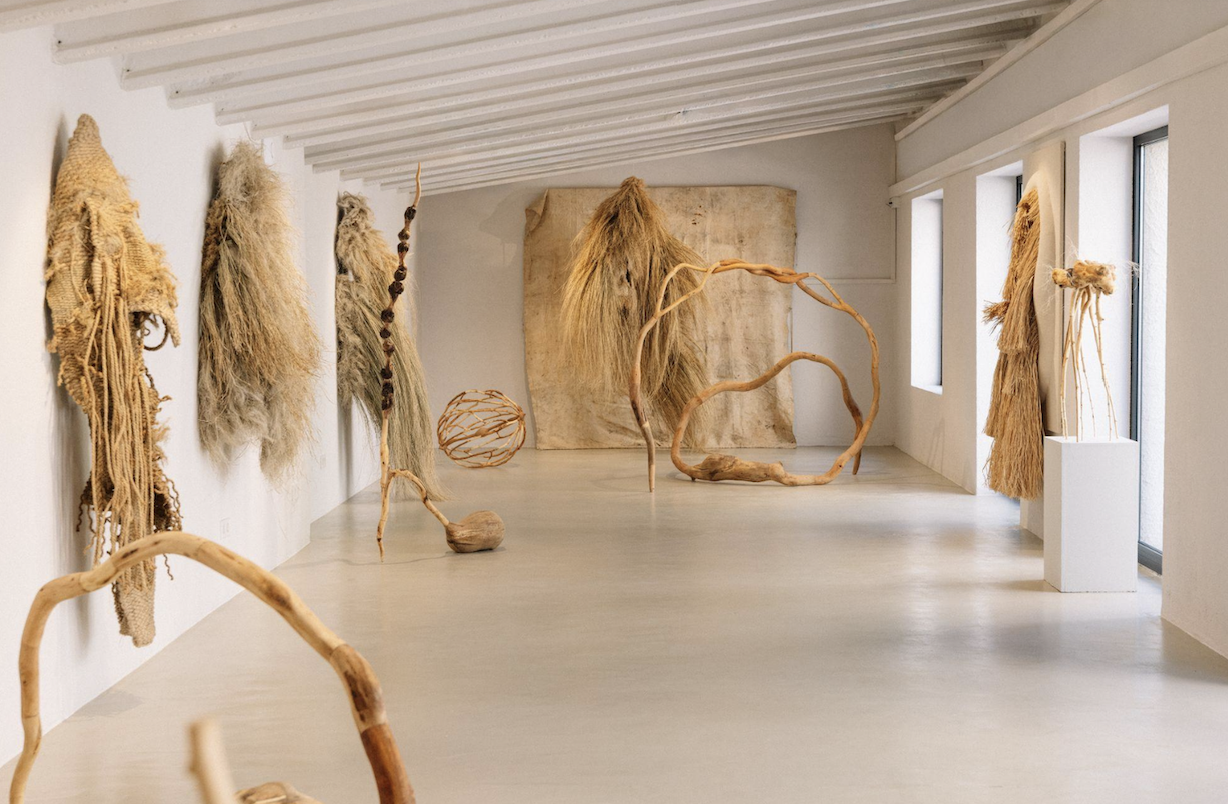
This summer, the Empordà reaffirms its role as a reference territory for contemporary art with CRU. The Helpers of Matter, an exhibition that turns nature and its processes into the center of artistic discourse. After the success of Panta Rei last summer, the Sala El Taller de Mas de Torrent continues this exhibition line with a new proposal curated by Thaïs Botinas, which can be visited for free until August 30.
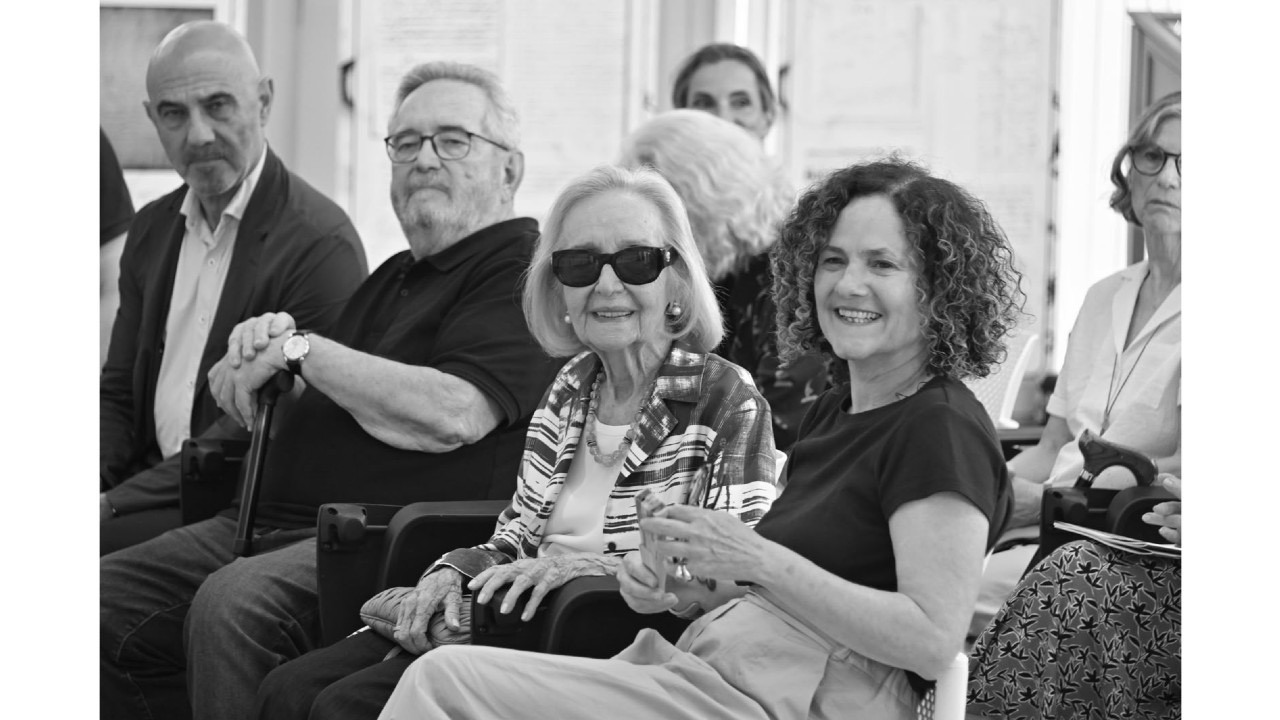
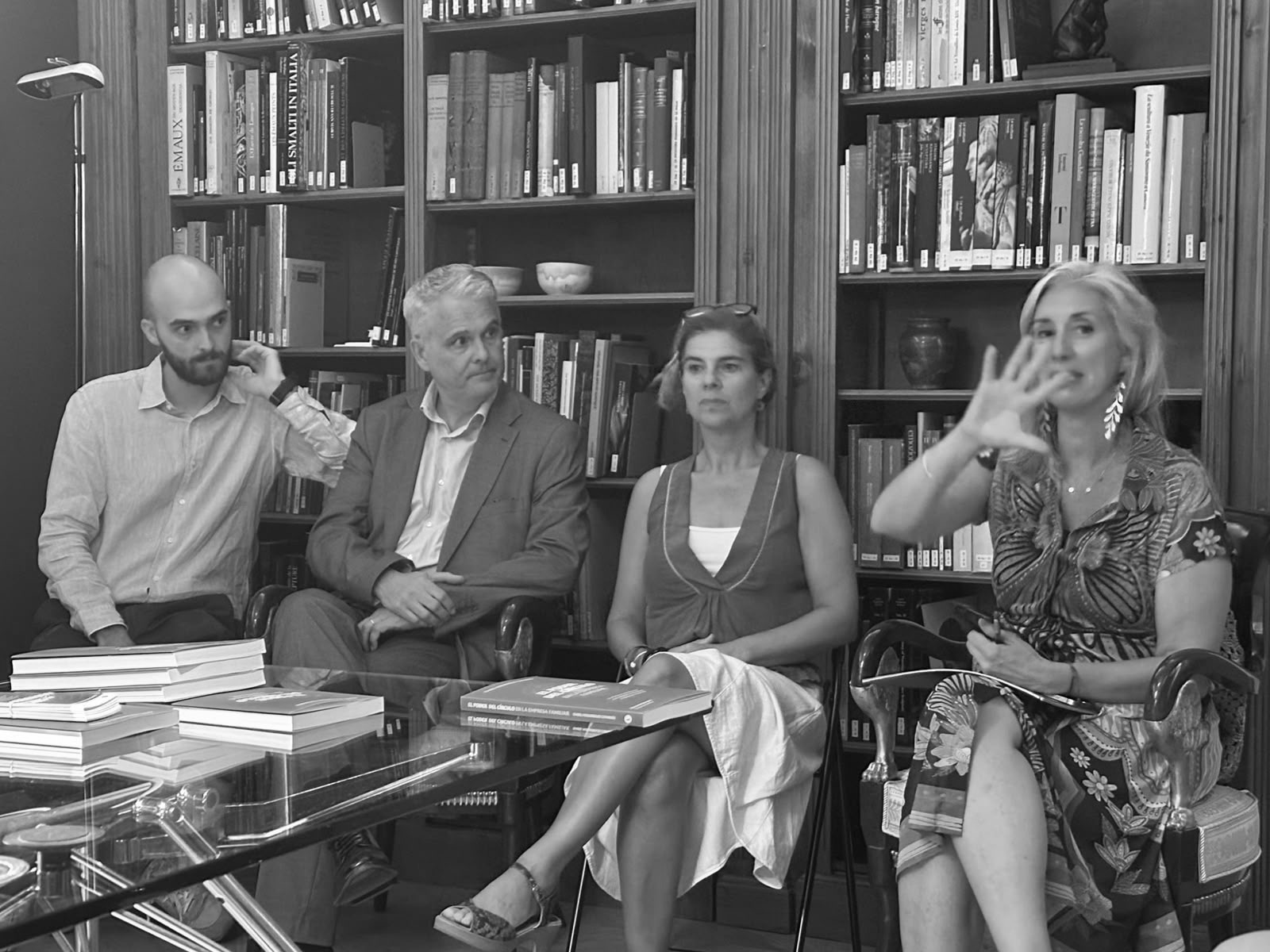
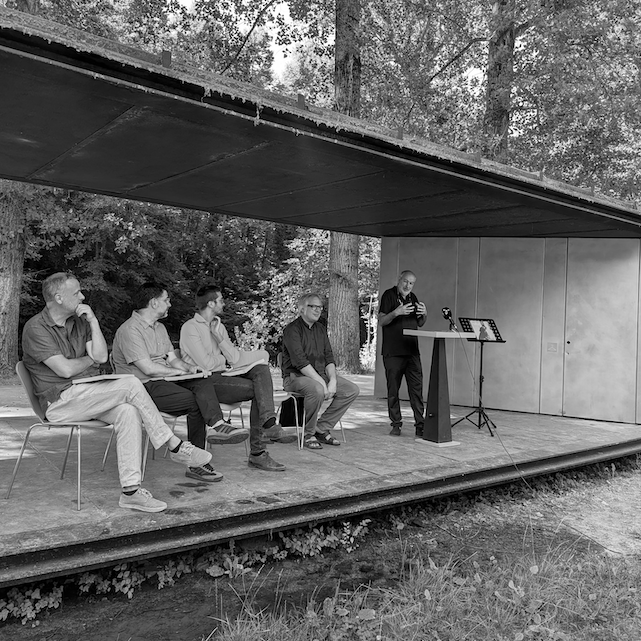
The exhibition, inaugurated in front of a hundred visitors, brings together for the first time two seemingly distant trajectories but deeply connected by the same sensitivity towards materials: the Japanese sculptor Hiroshi Kitamura and the Mallorcan textile artist Adriana Meunié. Through reclaimed wood and plant and animal fibers, the two creators propose a reflection on matter as a living organism, capable of preserving the memory of time and landscape.
The exhibition project proposes a way of understanding artistic creation based on listening rather than imposition. Both Kitamura and Meunié start from the idea that materials are not simple supports, but active elements that condition and guide the creative process. The artist thus ceases to be a transformer to become a mediator who accompanies the qualities inherent to each material.
Born in Hokkaido (Japan) and established in Empordà for over a decade, Hiroshi Kitamura has developed a sculptural practice marked by the use of reclaimed wood. Initially trained as a sculptor and later specializing in engraving techniques in Barcelona, his work explores the forms hidden within tree trunks and plant remains, claiming nature's capacity to regenerate and transform continuously. His pieces do not seek to dominate the material, but rather to reveal its latent identity.
From Mallorca, Adriana Meunié investigates the expressive possibilities of wool, esparto, carritch, raffia and other natural fibers linked to the Mediterranean landscape. Trained in fashion design, she found in the sculptural tapestry a language that allows her to preserve the original texture and strength of the materials. Her works establish a dialogue between abstraction and the territory, recovering traditional techniques to convert them into a fully contemporary artistic practice.
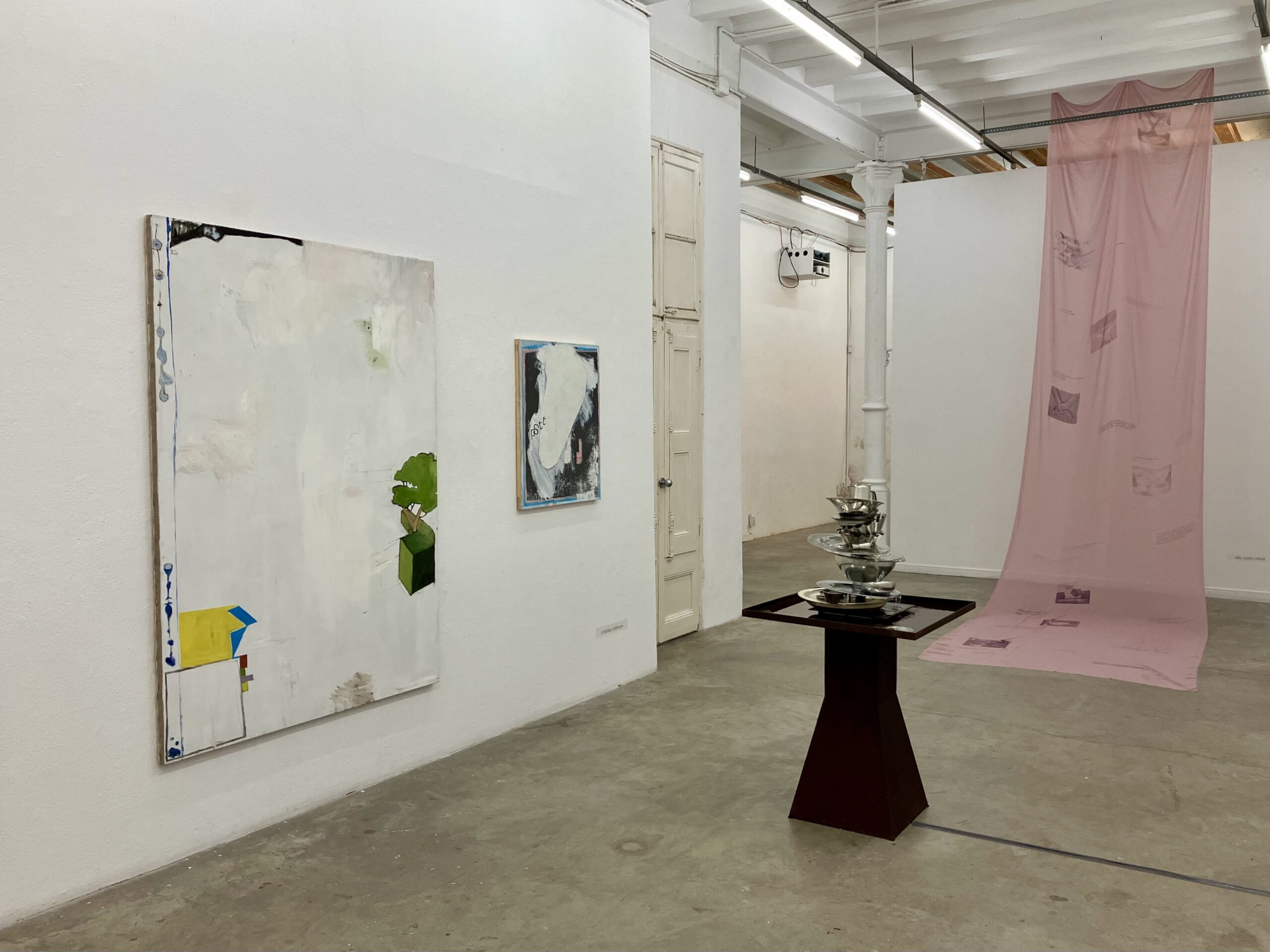
At CRU, Kitamura's wood and Meunié's fibers share the same space without losing their uniqueness. The sculptures and fabrics dialogue based on their imperfections, the marks of time and the natural processes that have shaped them. The result is an exhibition that invites us to rethink the relationship between art, nature and craftsmanship, moving away from any artifice to claim the essential beauty of the materials.
With this second great summer proposal, the Sala El Taller de Mas de Torrent consolidates a cultural project that is committed to quality exhibitions in a privileged environment. The initiative reinforces the Empordà as one of the most stimulating scenarios of the summer to discover contemporary artistic practices linked to the territory, sustainability and the poetics of materials.

You may be
interested
...