News
The documentary collection of Can Duran opens a new window on eight centuries of Vallès history
The Minister of Culture, Sònia Hernández, presents to the Vallès Occidental Regional Archive an exceptional legacy, made up of documents dated between 1171 and 1945, which can now be consulted through Online Archives.
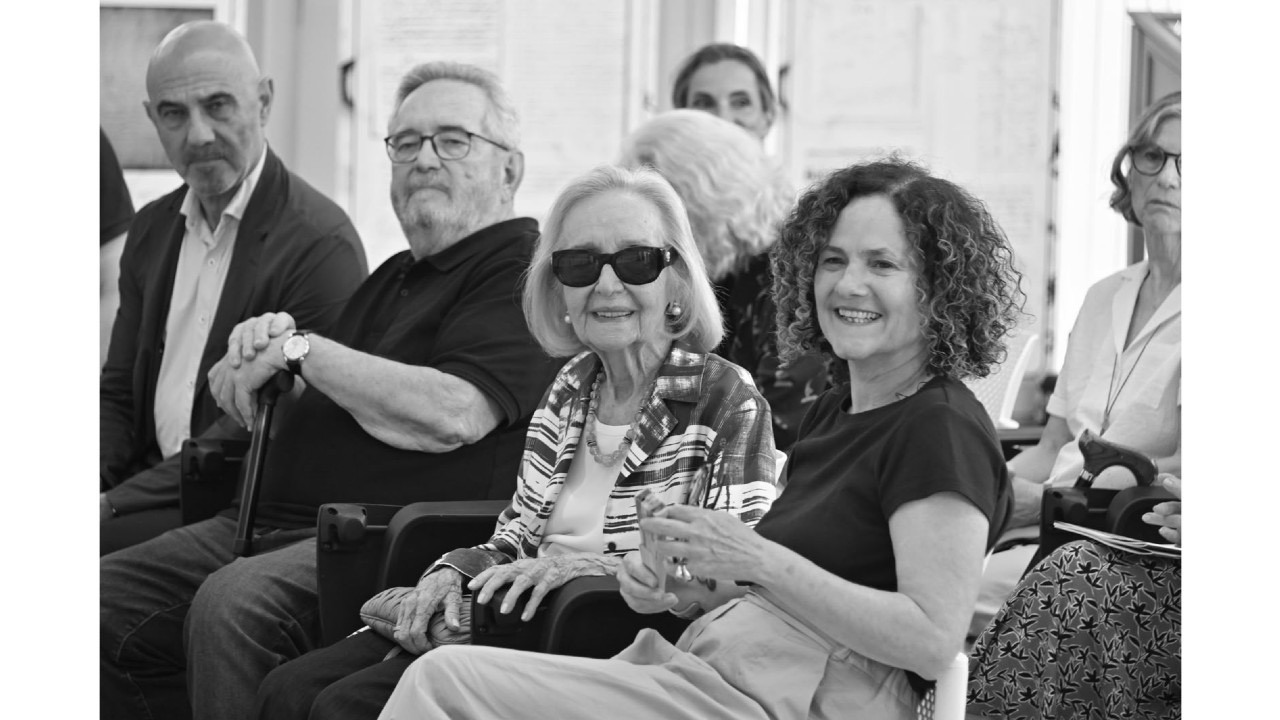
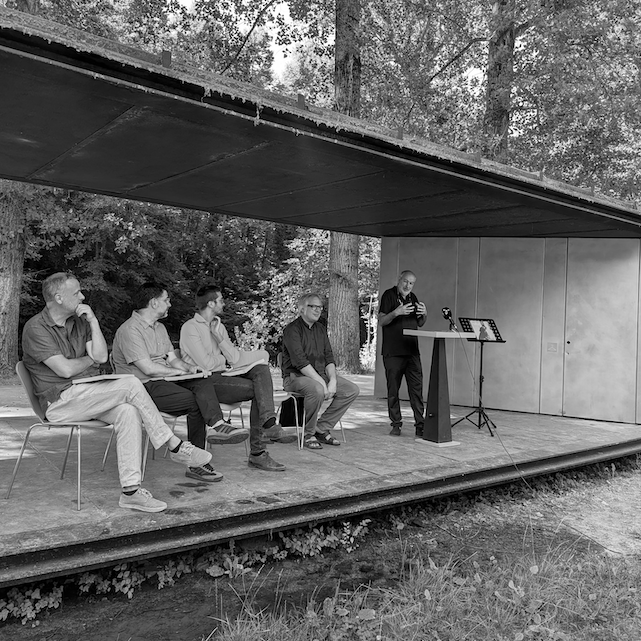
The history of the Catalan rural world has added a new first-rate tool for research. The Vallès Occidental Regional Archive has officially presented the documentary collection of Can Duran, one of the most relevant heritage collections preserved by the Network of Regional Archives of Catalonia. The event, chaired by the Minister of Culture, Sònia Hernández, served to publicize the result of the process of cataloguing and archival treatment of a legacy that encompasses nearly eight centuries of history, with documentation produced between the years 1171 and 1945.
The presentation brought together several authorities and specialists linked to documentary heritage. The mayor of Terrassa, Jordi Ballart; the general director of Cultural Heritage, Joaquim Borràs; the director of the Vallès Occidental Regional Archive, Xavier Gayán, as well as Pere Duran, owner of the collection, who in 2025 ceded this documentation to the Generalitat of Catalonia on a loan basis to guarantee its conservation and public dissemination.
During her speech, Minister Hernández highlighted the importance of this documentary collection, which she described as "exceptional value for promoting research into agricultural, heritage and family history". The Minister of Culture also wanted to recognize the work of the Duran Vall-llosera family, responsible for preserving this documentary heritage over several generations, which today allows it to be made available to the scientific community and the public.
The collection consists of 686 paper documentary units and 64 parchments, an extraordinary collection that reflects the evolution of a family heritage over the centuries. Among the documents preserved are lease contracts, establishments, marriage contracts, wills, powers of attorney, inventories of assets, accounting books, judicial documentation, correspondence and numerous printed materials. This diversity allows us to reconstruct not only the economic and patrimonial management of the family, but also the social, legal and institutional transformations that have shaped the Valais territory.
Beyond its local interest, the Can Duran collection constitutes a reference documentary source for studies on agricultural history, family history, genealogy and the evolution of Catalan rural heritage. Its chronological continuity and excellent state of conservation make this legacy a fundamental piece for deepening the knowledge of Catalan society from the Middle Ages to the mid-20th century.
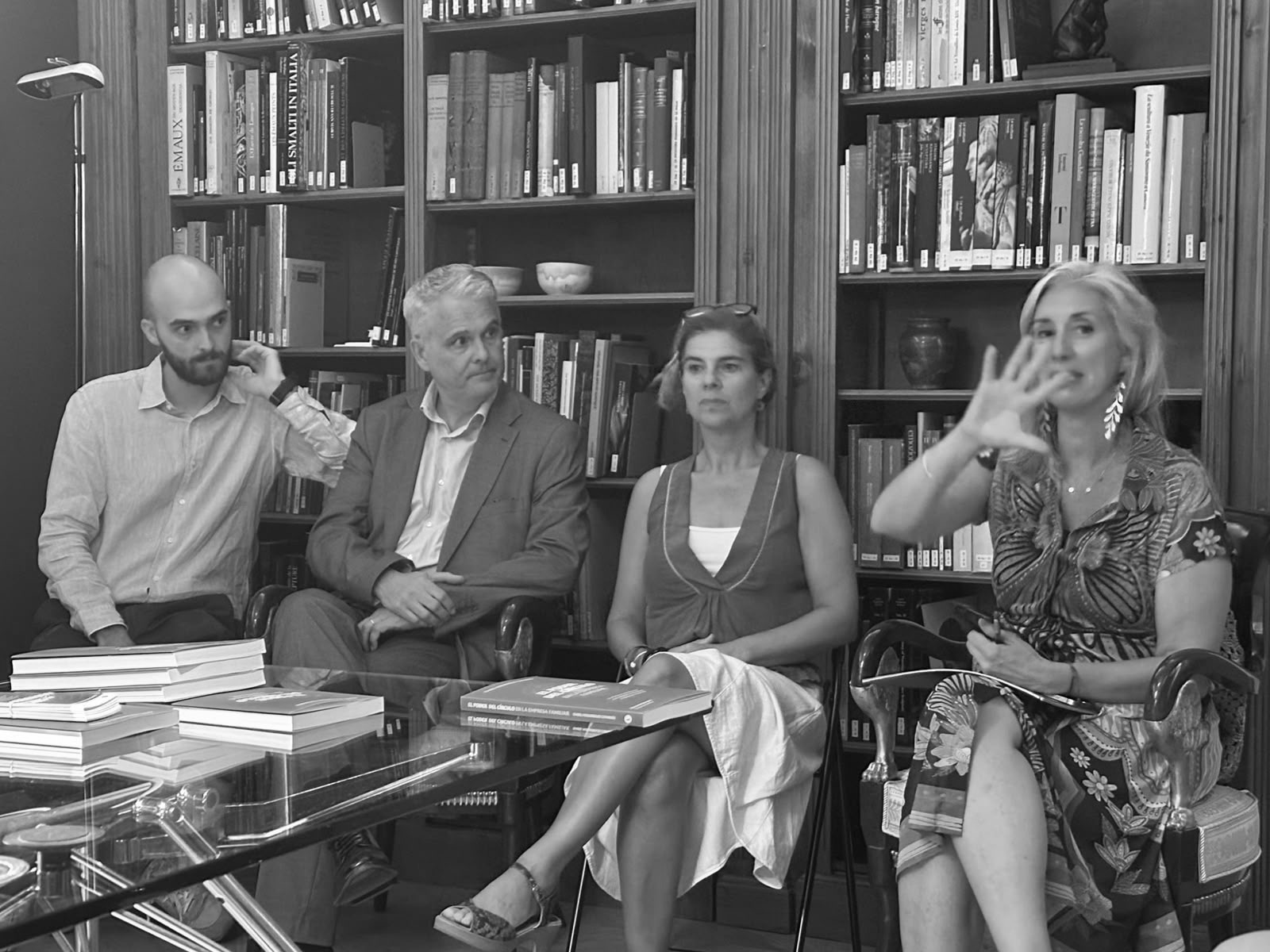
The day also included a round table dedicated to the historiographic value of the collection, with the participation of Miquel Pérez Latre, head of the Historical Collections Area of the National Archive of Catalonia; Maria Luz Retuerta, former director of the Baix Llobregat Regional Archive, and Joan Soler, director of the Terrassa Historical Archive, who analyzed the multiple research possibilities offered by this documentation.
As a complement to the presentation, the exhibition "Can Duran: Society and rural world through a heritage collection of the Vallès Occidental" has been inaugurated, an exhibition that brings together some of the most representative documents of the set and invites visitors to discover daily life, economic relations and the evolution of the human landscape of the Vallès over almost eight hundred years.
After its archival treatment, the entire collection can now be consulted through the Arxius en Línia platform, which facilitates universal access to a documentary heritage of great relevance for understanding the historical memory of Vallès Occidental and, by extension, of Catalonia.
You may be
interested
...