Exhibitions
Beatriz González and painting as a critical memory of a country
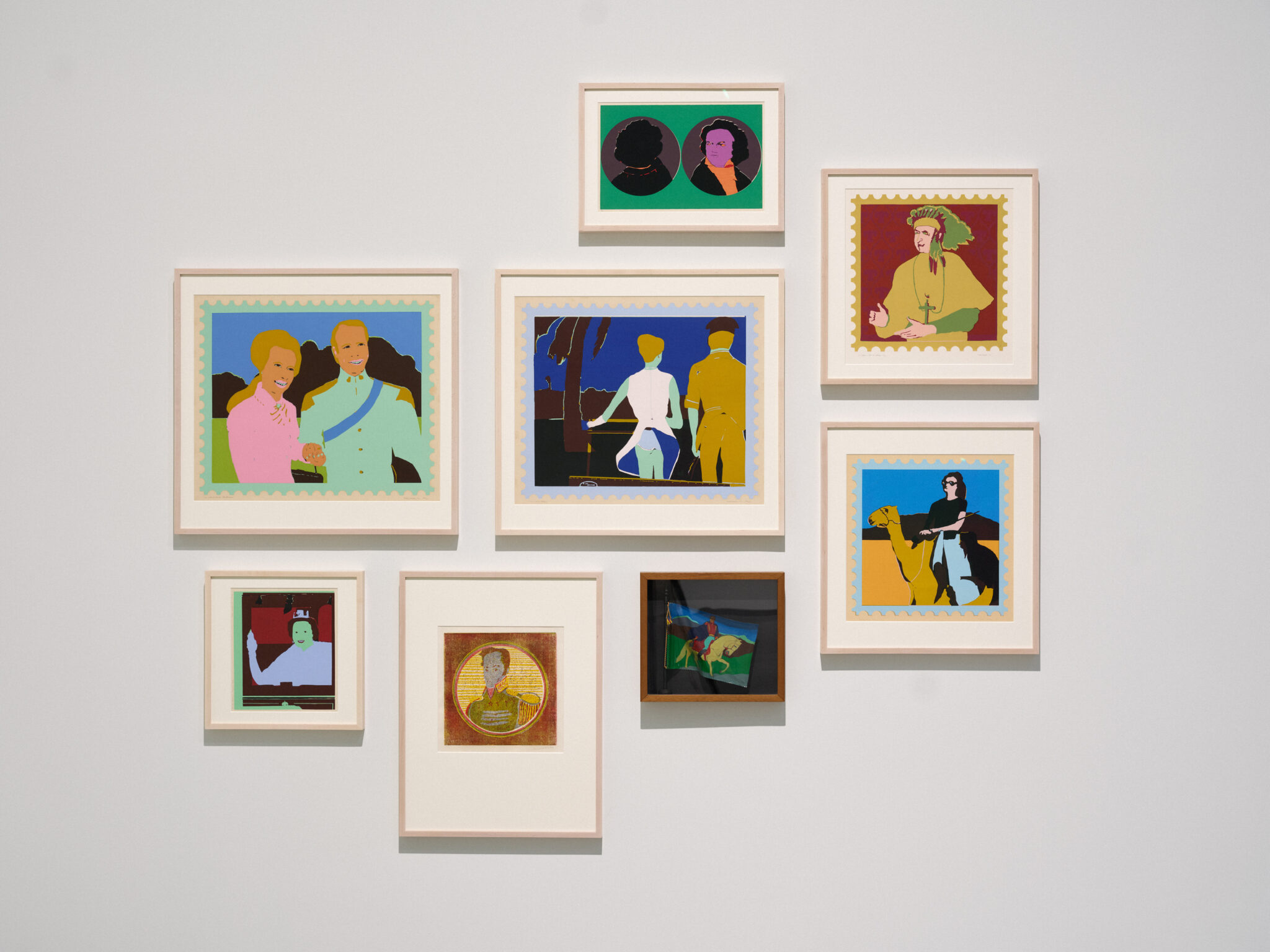
The Astrup Fearnley Museet in Oslo presents, from June 12 to October 11, 2026, the most comprehensive retrospective to date dedicated to Beatriz González (1932–2026). Bringing together more than 150 works, the exhibition spans over six decades of production by one of the essential figures of contemporary Latin American art, whose career transformed the relationship between painting, visual culture, and political memory. The exhibition also takes on a particularly poignant character as it opens just months after the artist's death and following her participation in the planning process.
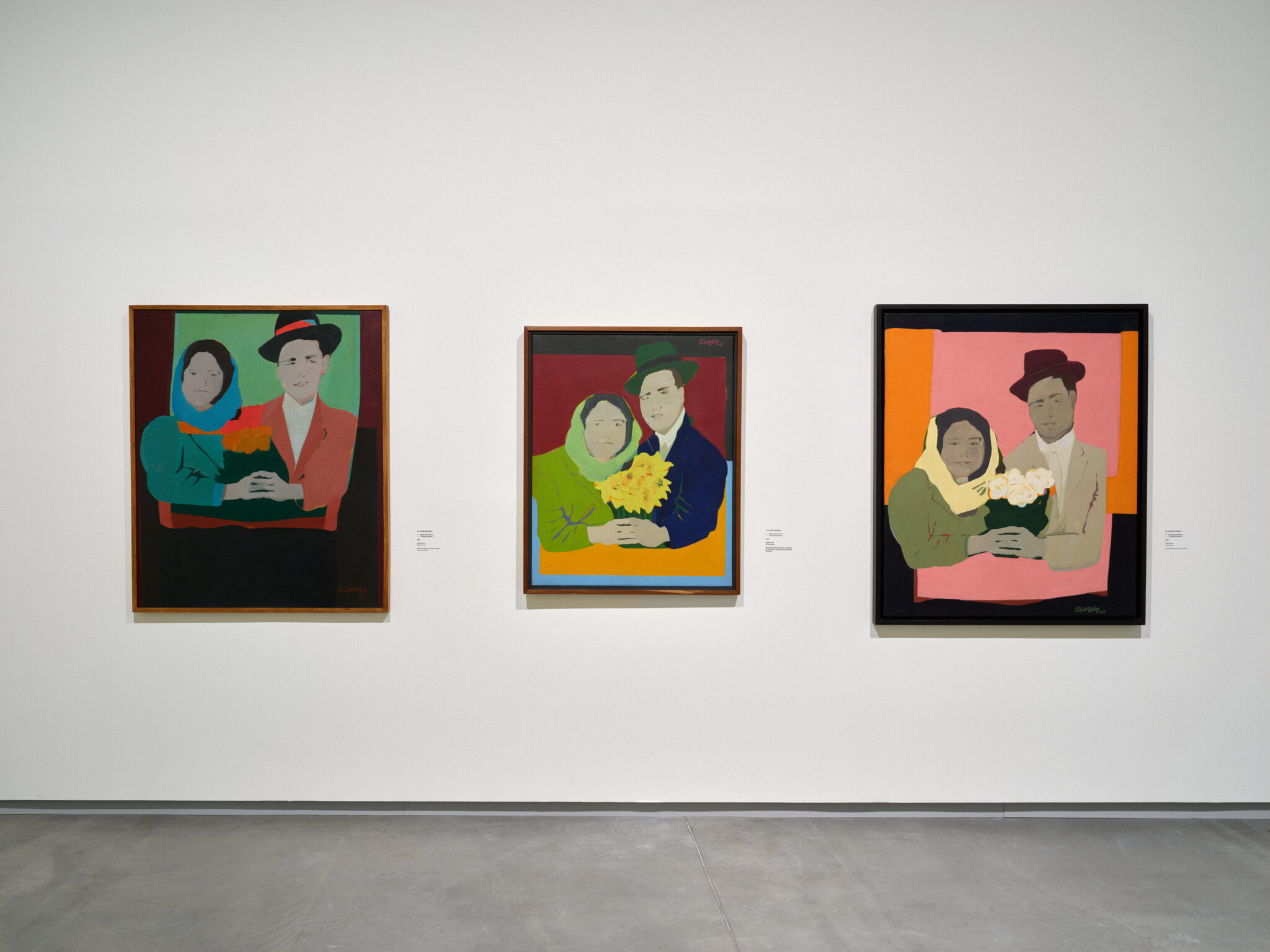
To speak of Beatriz González is to speak of a creator who transformed the everyday image into a territory of resistance. Her visual language, recognizable by its bold graphics, vibrant color palette, and deliberately popular use of media, challenged traditional art hierarchies and dismantled the distance between so-called high culture and the images circulating in newspapers, magazines, or family albums.
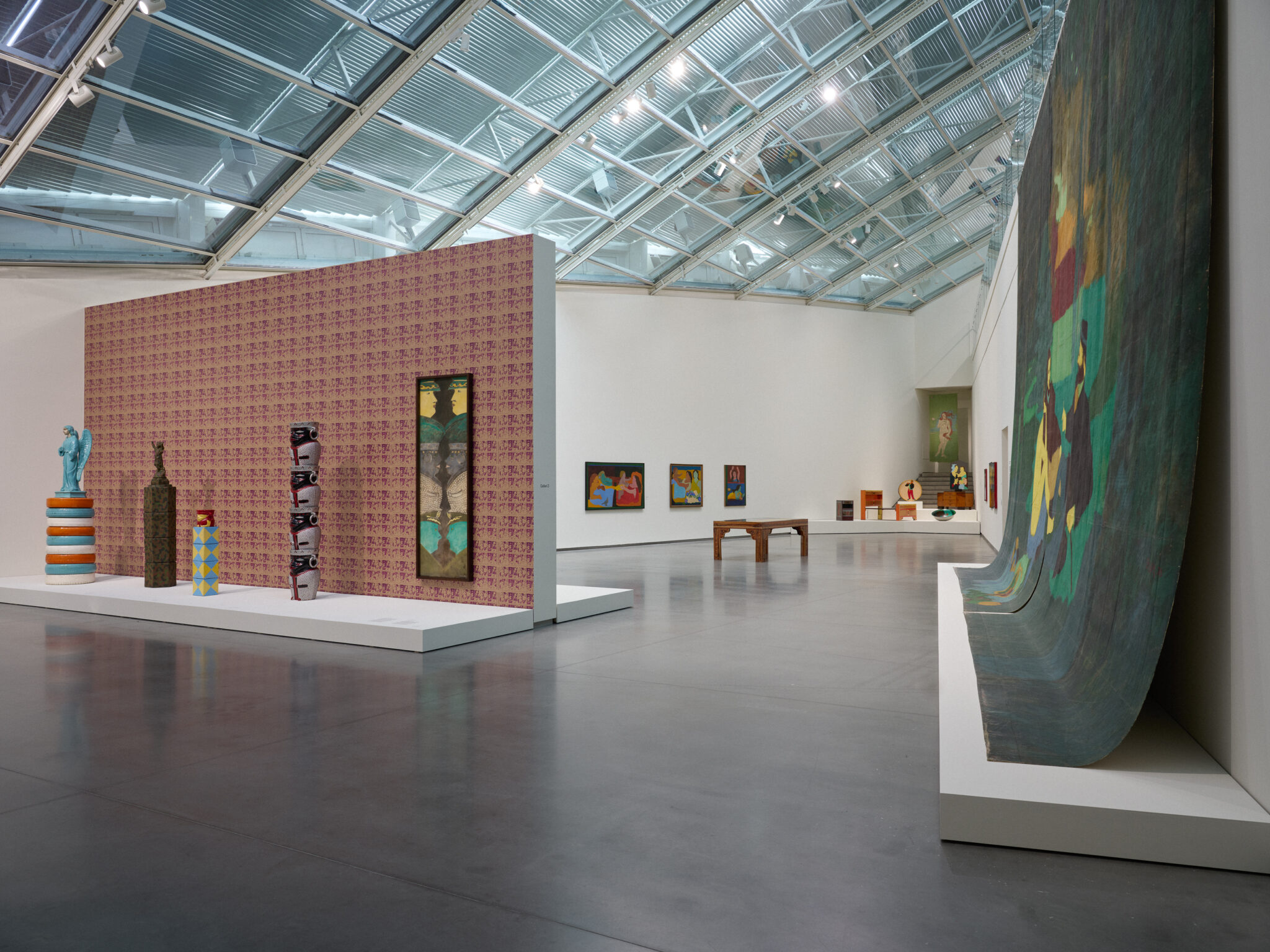
Throughout his career, González drew upon an inexhaustible personal archive of images collected in Colombia: worn reproductions of masterpieces from the history of Western art, press photographs, official portraits, and scenes of political violence. Far from simply reproducing them, he reinterpreted them with a gaze imbued with irony and critical distance, revealing how every image is also an instrument of power capable of constructing narratives, fixing memories, and shaping collective perception.
The exhibition highlights the artist's extraordinary ability to transform profoundly local events into reflections of universal scope. The violence stemming from the Colombian conflict, forced displacement, social inequality, and the vulnerability of indigenous communities appear in her works without ever resorting to documentary style. González shifts the dramatic tension toward a restrained representation, where intense color and apparent formal simplicity generate a constant tension between beauty and unease.
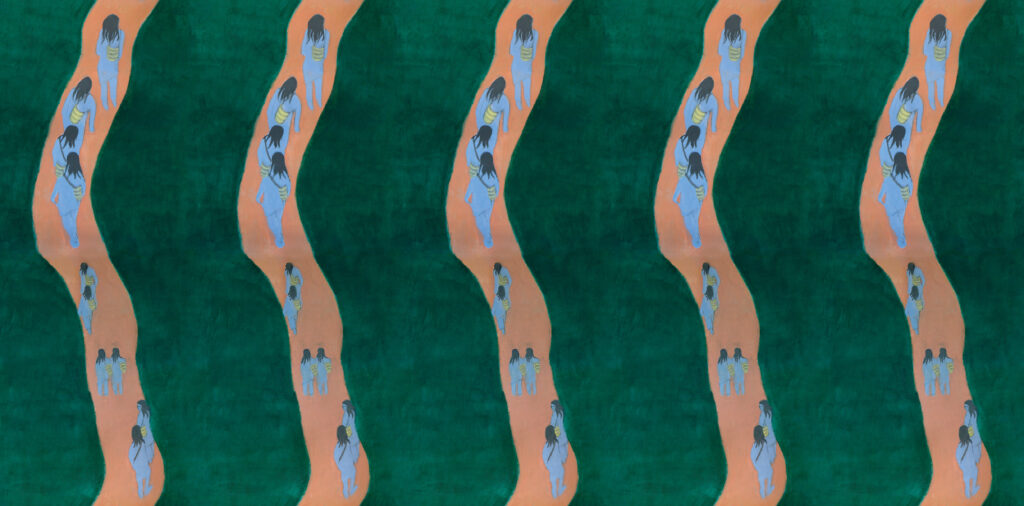
One of the greatest strengths of this retrospective lies in showcasing the breadth of a practice that was never confined to painting. Prints, serigraphs, repurposed furniture—beds, tables, or televisions—large painted backdrops, and monumental installations reveal an artist who understood art as a space for ongoing experimentation and as a tool for democratizing the aesthetic experience. By incorporating domestic objects and materials far removed from academic tradition, González challenged conventional criteria of artistic value and brought her work closer to everyday life.
Viewed from today's perspective, his work remains strikingly relevant. In a global context dominated by an overabundance of images and the constant flow of information, his reflections on visual manipulation, the construction of political narratives, and collective memory take on a new dimension. His work anticipated debates that permeate contemporary art today: who controls images, how public narratives are constructed, and how visual repetition ultimately shapes our perception of reality.
Co-produced with the Pinacoteca de São Paulo and the Barbican Centre in London, the exhibition confirms the international recognition achieved by Beatriz González in recent years and vindicates her place among the great artists of the 20th and 21st centuries.


You may be
interested
...