
Exhibitions
The city as a stage for power and the gaze with Canaletto and Bellotto
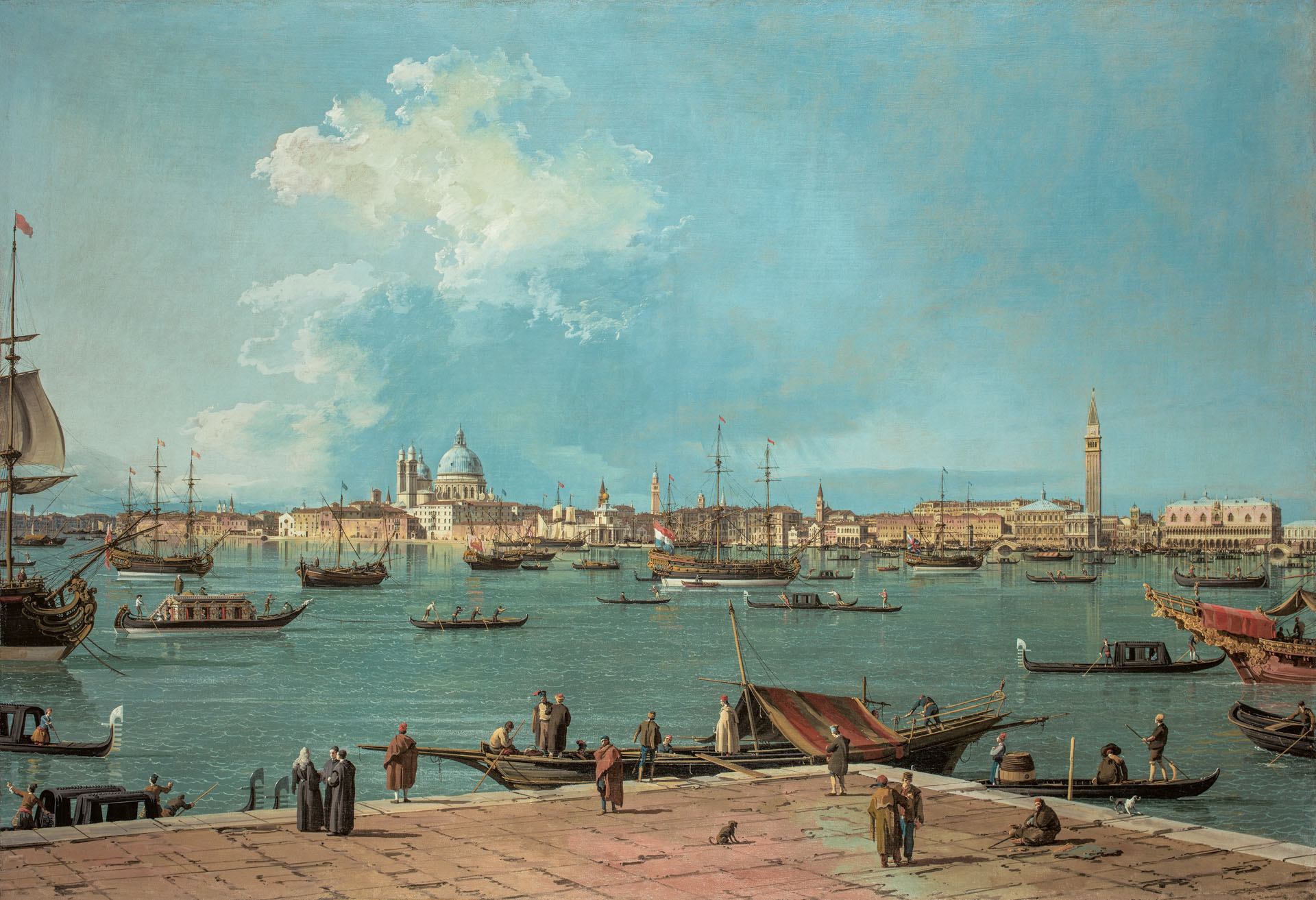
“Canaletto amazes all who see his works… from which it seems that even the Sun itself radiates its light.” Alessandro Marchesini to Stefano Conti, July 1725.
At the Gemäldegalerie of the Kunsthistorisches Museum Wien, a major exhibition brings together for the first time in Austria an exceptional collection of works dedicated to two of the great masters of 18th-century vedute painting: Giovanni Antonio Canal (Canaletto) and his nephew Bernardo Bellotto. Entitled Canaletto & Bellotto , the exhibition (March 24 to September 6, 2026) offers a fresh interpretation of the European cityscape as an artistic, political, and cultural construct.
The city as a visual artifact
Canaletto and Bellotto are recognized as the great visual chroniclers of 18th-century Europe. Their works do not merely depict cities: they reconstruct them. Venice, London, Dresden, and Vienna appear on their canvases as idealized settings, where architectural precision coexists with meticulous staging that seeks to captivate the viewer.
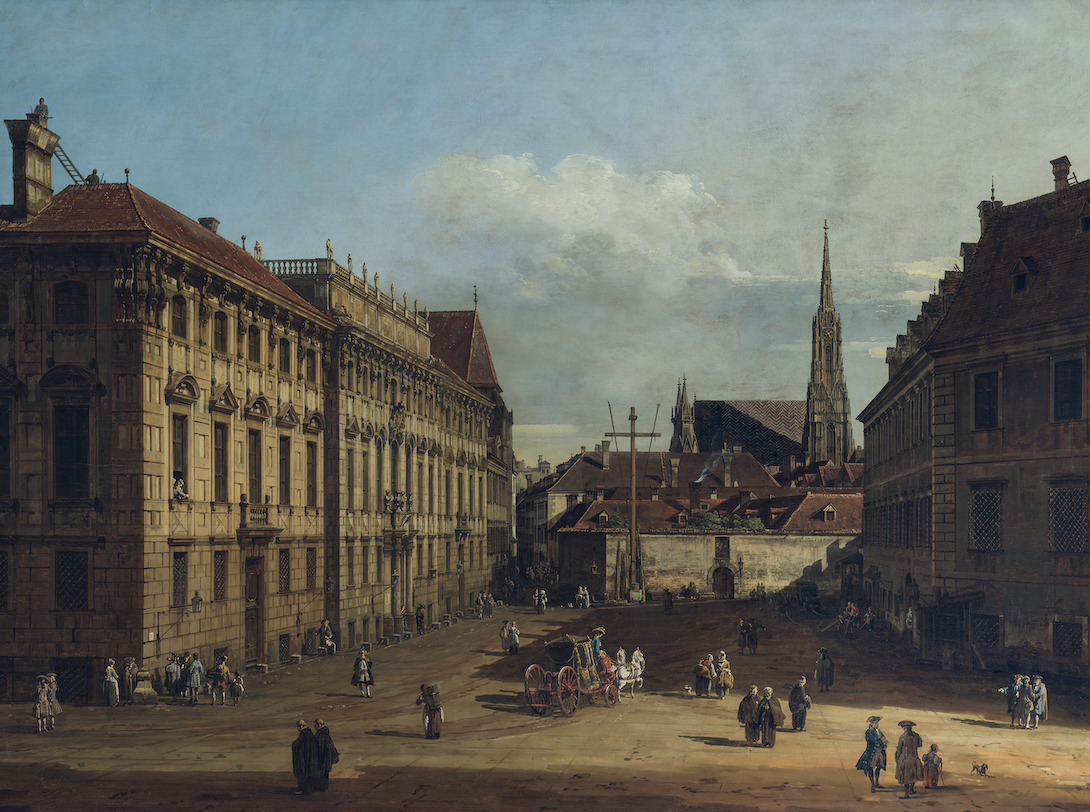
Both artists employed advanced technical resources for their time, including the camera obscura, which allowed them to capture urban perspective and proportions with great accuracy. However, this accuracy was never cold or documentary: their compositions transformed reality into a theatrical vision of urban space, where light, symmetry, and atmosphere took center stage.
Master and heir: two European paths
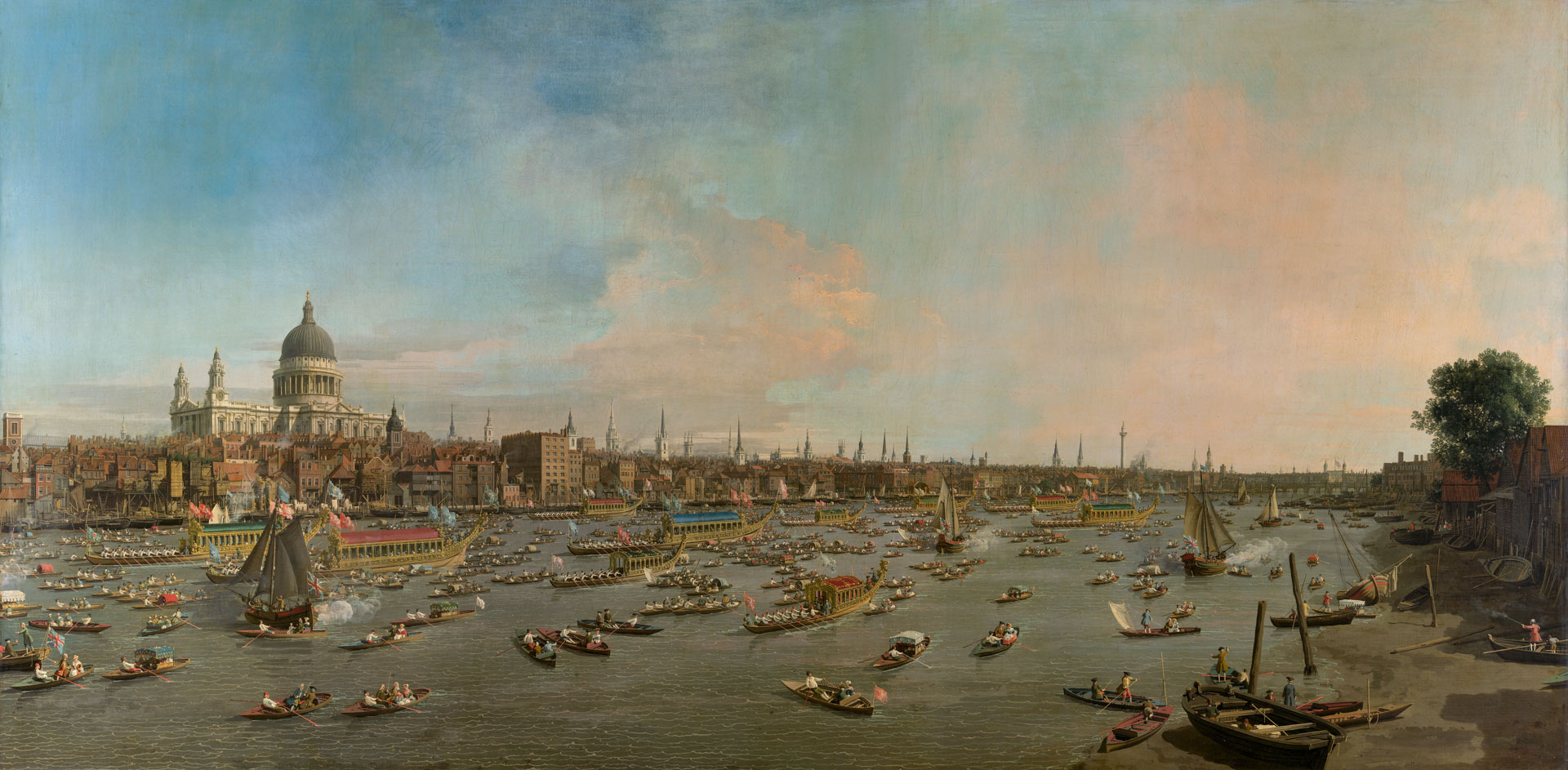
Giovanni Antonio Canal, known as Canaletto, achieved international fame thanks to his views of Venice, which became luxury souvenirs for the European aristocracy on the Grand Tour. His success took him to London, where he reinterpreted the English cityscape with the same visual language he had perfected in his hometown.
Bernardo Bellotto, trained in his uncle's workshop, further broadened that European horizon. He occasionally adopted the name "Canaletto" to capitalize on the family reputation, but he developed his own style, more atmospheric and with greater contrast of light. His career took him to cities like Dresden and Vienna, where his views became fundamental visual testimonies of cities that are now, in many cases, transformed or vanished.
Europe in transformation
The exhibition underscores how both artists reflect a continent in flux. Their cities are not merely architectural spaces, but also stages traversed by political tensions, wars, and social change. In their paintings, urban monumentality coexists with a subtle historical awareness: the squares and canals are not neutral, but spaces where power, identity, and collective memory are projected.
A contemporary look at the 18th century
Canaletto & Bellotto invite us to reconsider vedute painting not only as a genre of topographical representation, but as a sophisticated visual language that articulates perception, technology, and narrative. In a contemporary world saturated with urban images, these works remind us that every city is also an imagined construct.


You may be
interested
...