News
David Hockney, the painter who turned color into a way of seeing the world, dies at 88
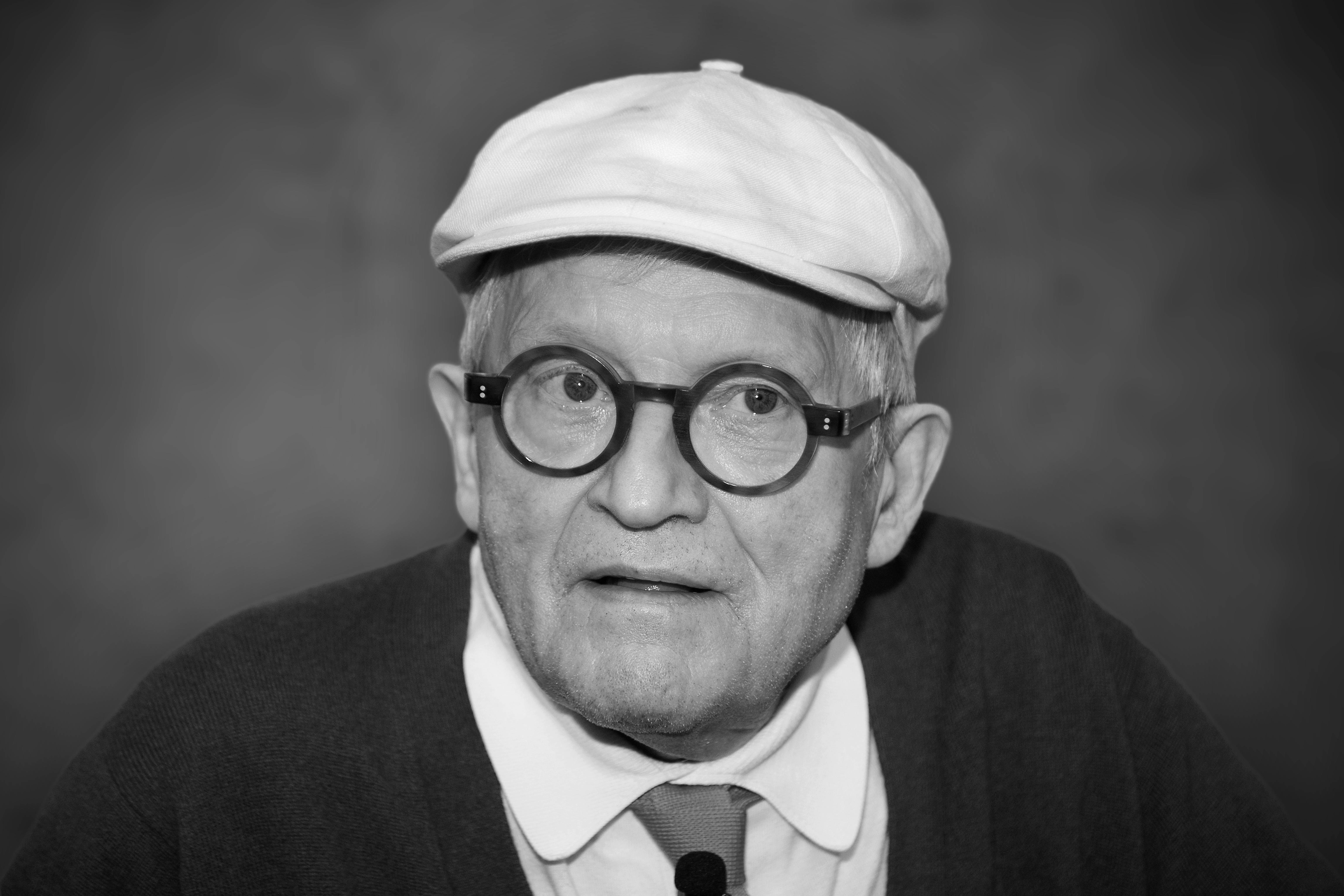
The art world mourns the loss of David Hockney, one of the most influential and admired artists of the 20th and 21st centuries, who died at his home in London at the age of 88, just weeks before his 89th birthday. The news was confirmed by his representative, who highlighted an extraordinary career marked by innovation, curiosity, and an inexhaustible capacity to reinvent the boundaries of the image.
A key figure in the British Pop Art movement of the 1960s, Hockney was much more than a painter of his time. A master of drawing, an explorer of new technologies, and the creator of his own visual universe, he dedicated more than seventy years to investigating the representation of space, perspective, and the way in which human beings perceive reality.
Born in 1937 in West Yorkshire, in the north of England, he trained at Bradford School of Art and later at the Royal College of Art in London, where he graduated with a Gold Medal. He soon became one of the most original voices of a new generation of British artists.
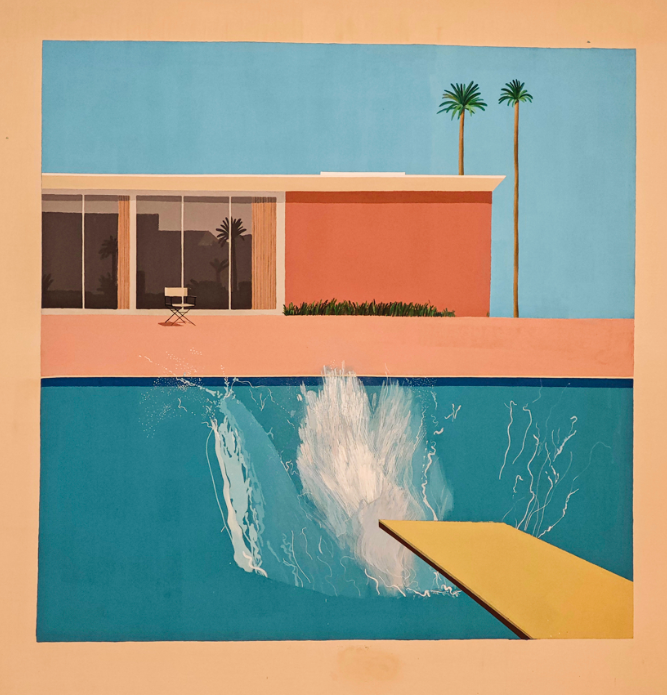
His work immortalized the luminosity and freedom of 1960s California, where he moved in 1964, with its iconic swimming pools, portraits, and scenes of sun-drenched life. At the same time, he turned his gaze back to the landscapes of his native Yorkshire, capturing nature with a renewed sensitivity and an explosion of color that would become one of his hallmarks.
His rebellious spirit and constant search for new languages led him to experiment with photography, digital devices, and technological tools, demonstrating that creativity knows no age or borders. He continued painting, researching, and exhibiting new works until his final years.
London's Serpentine Gallery is currently hosting the first exhibition conceived in close collaboration with the artist, a show that brings together recent works and has become a final testament to his enduring creative vitality. In addition, other major exhibitions at Tate London and the Munch Museum in Oslo were in preparation.
Days before the opening of his latest exhibition, Hockney summarized his artistic philosophy thus: “I have always believed that art should be a profound pleasure. Everywhere there is an enormous amount of suffering, but my duty as an artist is to overcome and alleviate the sterility of despair.”
Internationally recognized, he received the Order of the Companions of Honour from the United Kingdom in 1997 and in 2026 was distinguished by France with the rank of Officer of the prestigious Legion of Honor, an award reserved for personalities whose contribution to culture has had a universal reach.
The director of Tate Britain, Alex Farquharson, remarked after Hockney's death that "no other artist since Picasso has been able to invent and reinvent himself in the way Hockney did." His legacy remains that of a creator who transformed the way we see the world: an artist for whom color was always a celebration of life.

You may be
interested
...