News
The artistic sector questions the selection process for the new MACBA management
Professional entities denounce the lack of transparency and independence in the public competition before the final decision of the Board of Trustees.
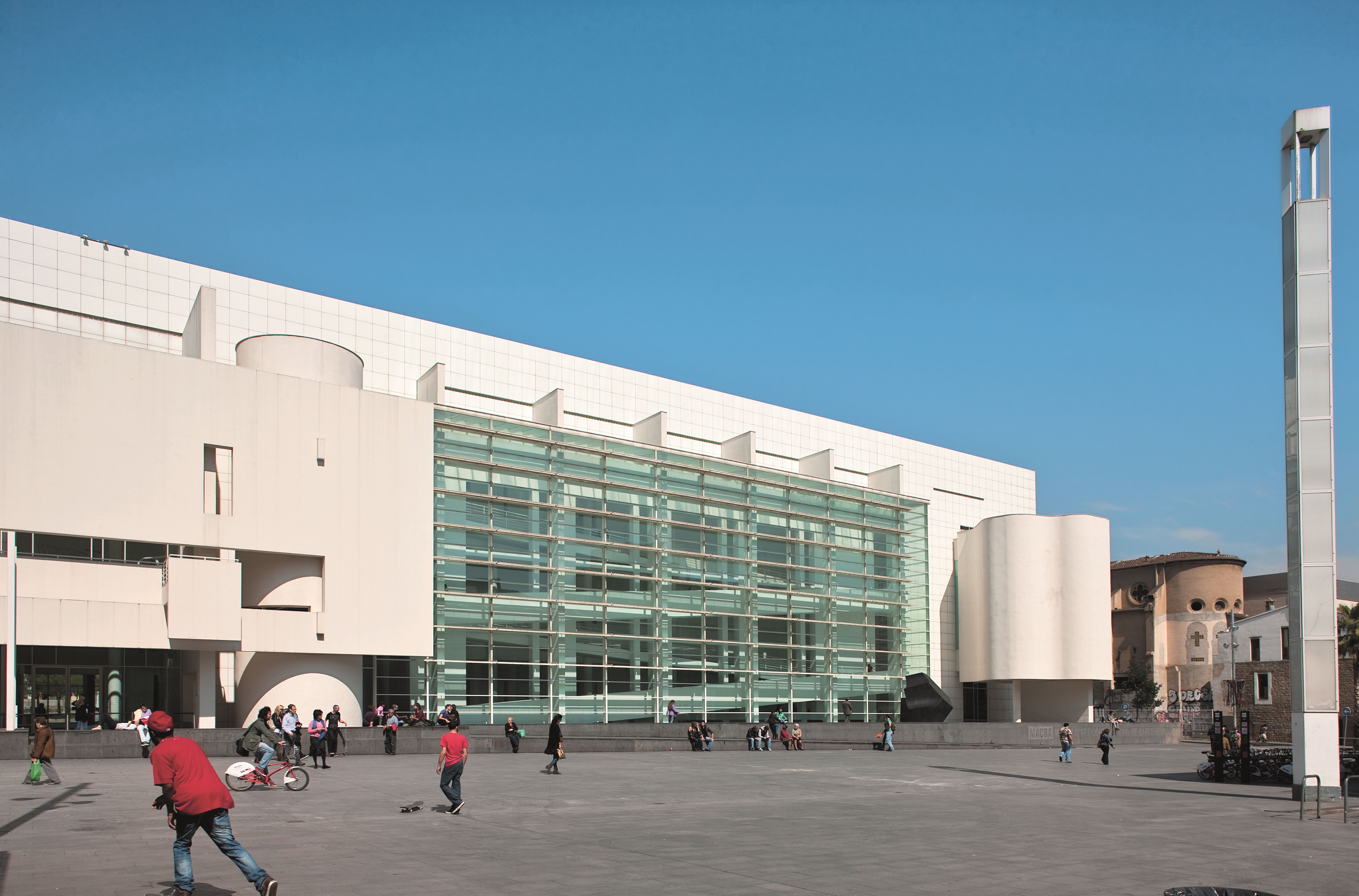
Just hours before the Board of Trustees of the Museum of Contemporary Art of Barcelona (MACBA) announces the appointment of its new director , several representative entities from the art and culture sector have publicly expressed their disagreement with the selection process. The organizations consider that the competition rules do not guarantee the minimum standards of transparency, independence and free competition required for an institution of international standing.
The complaint was launched by the Catalan Association of Art Critics (ACCA), the Association of Cultural Management Professionals of Catalonia (APGCC) and the Catalan Artists' Platform (PAAC), with the support of the museum's Business Committee. The statement was made public on the day the interviews with the final candidates were held and just twenty-four hours before the decisive meeting of the Board of Trustees.
The process to find a new director began on March 9, following the announcement of the departure of Elvira Dyangani Ose , who ended her term at the head of MACBA at the end of April. Since then, the signatory entities claim to have analyzed the bases of the call based on the Code of Good Practices for Directorial Competitions, a document agreed upon by the sector and endorsed by eleven professional associations.
According to these organizations, one of the main shortcomings is the composition of the evaluation committee. They consider the absence of an independent international expert to be particularly worrying, a figure they describe as essential to guarantee a rigorous evaluation aligned with the standards of major contemporary museums. They also question whether the appointed members have proven experience in the management of museum institutions, which, in their opinion, makes it difficult to adequately assess the projects submitted.
The criticism also extends to the independence of the evaluation body. The complainants recall that the three members of the commission have been or are members of the MACBA General Council, a circumstance that, they claim, compromises the impartiality of the process. They also point out that the jury has a purely advisory role, with a voice but no vote, a situation that they consider incompatible with the guarantees that a competition of this nature should offer.
Before making their position public, the entities requested a meeting with Eduard Vicente, museum manager and representative of the evaluation committee, to convey their concerns and ask for explanations about several aspects that they describe as "inadmissible" in a call aimed at selecting the highest responsibility of a cultural facility with international projection. However, they assure that their demands did not obtain a satisfactory response.
Another point noted is the absence of a high requirement for proficiency in the English language. The entities consider it inconsistent that the call for applications for the museum's management does not establish this criterion in a demanding manner when, as they indicate, it is requested in selection processes corresponding to lower-ranking technical profiles within the same institution.
Finally, the signatories demand a review of the evaluation mechanisms. They argue that the selection should be based on objective, quantifiable and publicly known criteria from the start of the competition. They argue that the early publication of the evaluation scales would contribute to strengthening the sector's confidence and guaranteeing greater transparency in the election of the future management of MACBA.
The controversy comes at a key moment for the museum, which is immersed in a new stage of institutional and strategic redefinition. Whatever the name chosen by the Board of Trustees, the debate opened by these entities puts on the table the need to review the governance models and selection processes of the country's main cultural facilities.


You may be
interested
...