
Exhibitions
Lara Almarcegui explores the landscapes of waste and transformation in Carreras Múgica
A leading figure in contemporary European art, Lara Almarcegui has developed a career focused on urban transformation, building materials, and spaces undergoing change or disappearance. Her work, situated between artistic research and critical reflection, explores the relationships between architecture, memory, territory, and urban speculation. Through a sober and deeply conceptual lens, she transforms vacant lots, ruins, and industrial structures into scenarios for analyzing the contemporary landscape and its mutations.
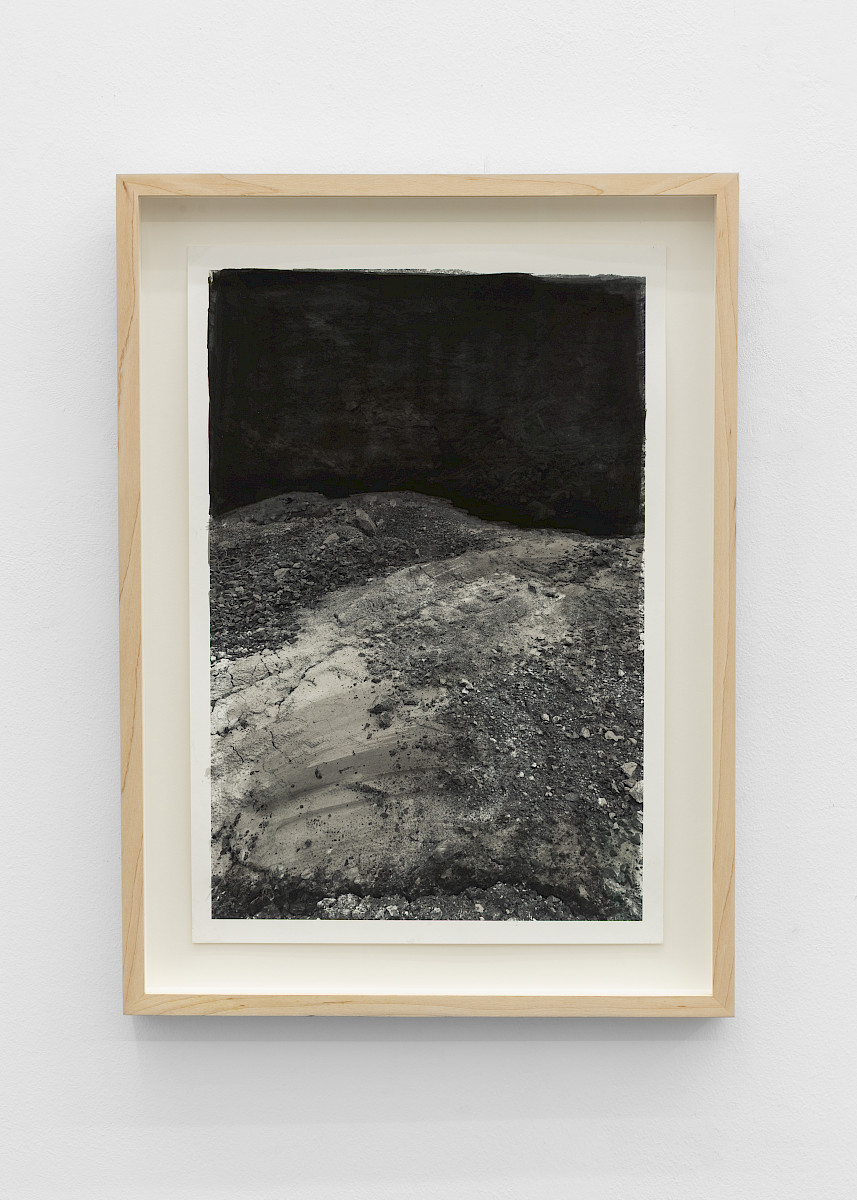
The Galería Carreras Múgica gallery presents until July 31, 2026 the exhibition Gravels and Sands. Aggregates and other recent terrains , a new project by Lara Almarcegui that delves into one of the central lines of her career: the critical observation of the materials that transform the contemporary landscape.
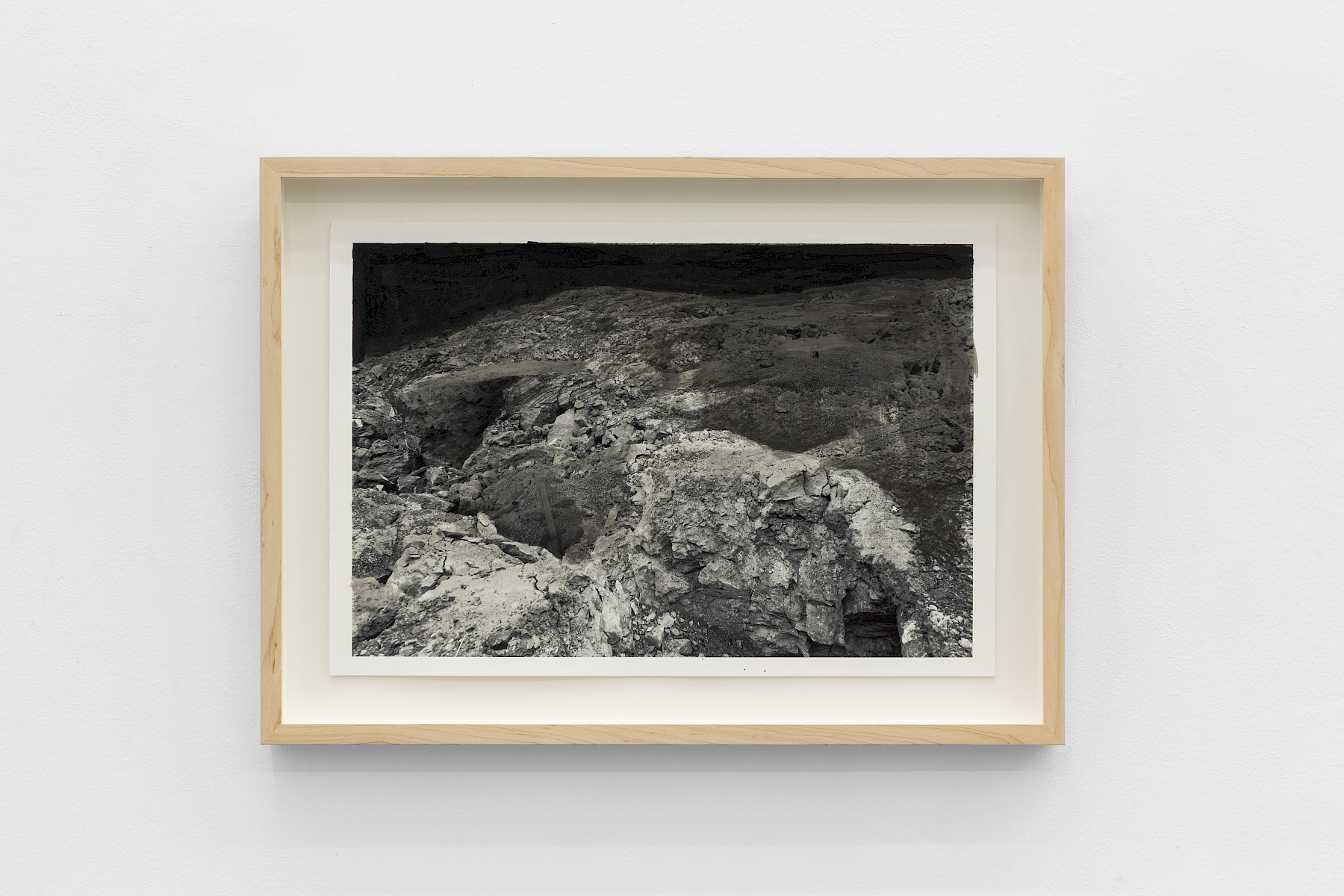
The exhibition brings together research, drawings, and projects related to landscapes recently created by human activity or natural alterations. Accumulations of gravel after demolitions, mining spoil heaps, sands from dredging, and new formations created by changes in river courses appear here as provisional landscapes, still undefined spaces that the artist transforms into objects of aesthetic, geological, and political reflection.
For years, Almarcegui has focused her practice on analyzing the relationship between the city, construction, and resource extraction. In this exhibition, the artist shifts her gaze to recently generated or displaced materials, questioning not only their origin and function, but also the future of these unstable and constantly changing territories.
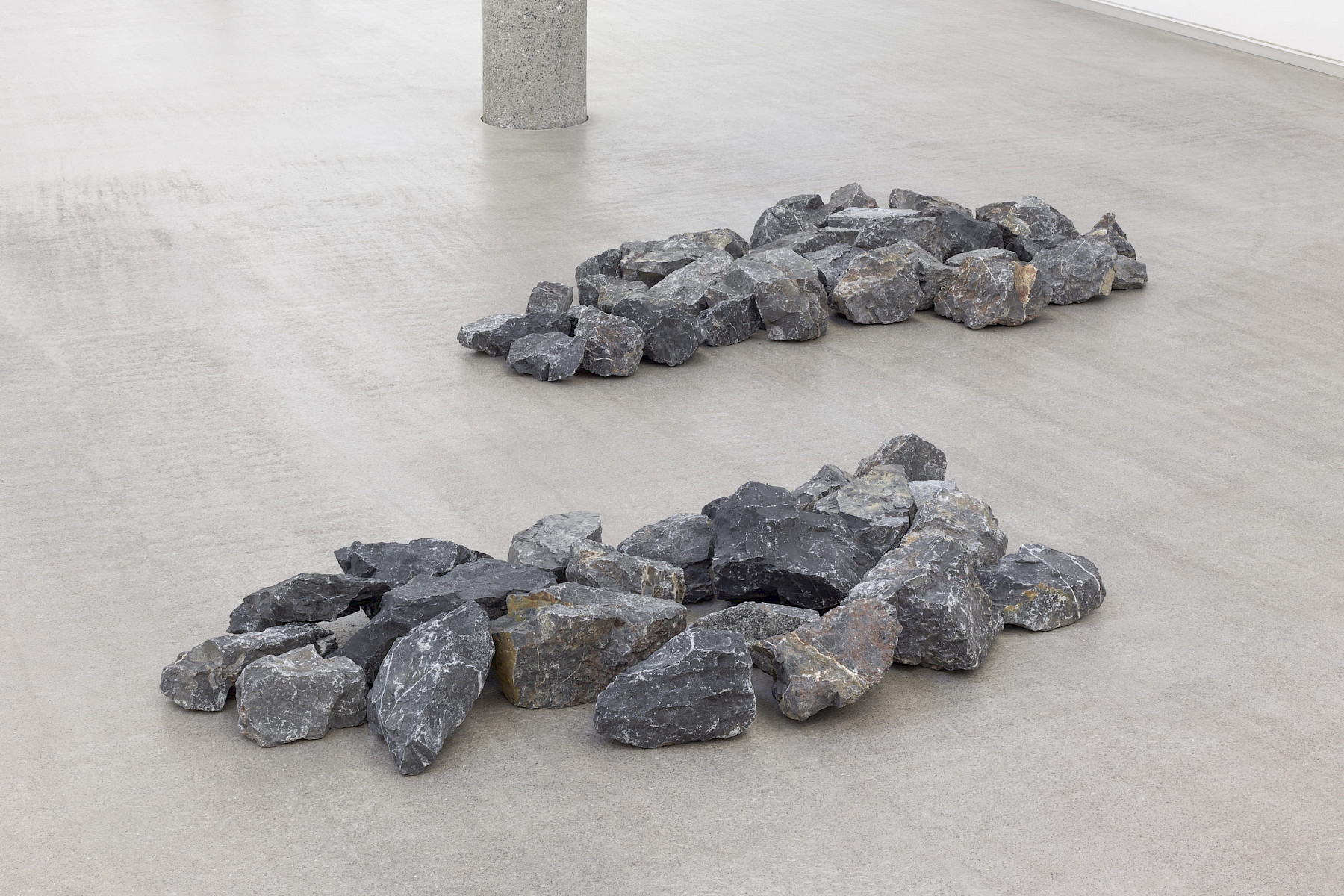
Among the featured works is Die Halden in Deutschland ( Germany's Waste Dumps ), an ambitious calculation of the total volume of Germany's largest waste dumps, originally carried out for a seventeen-meter-high wall at the Kunstmuseum Moritzburg Halle (Saale). The work quantifies the immense amount of land displaced by mining over the past 175 years and highlights the magnitude of the geological waste produced by extractive activity. Some of these artificial mountains remain linked to active lignite and potash mines. Sophienhöhe, with more than 2.2 billion cubic meters of lignite waste, stands out as the country's largest waste dump.
The exhibition also includes drawings of unrealized projects conceived for international exhibitions and biennials. These proposals envisioned installations constructed with sands from rivers, seas, and lakes—materials displaced by the dredging industry and responsible for creating new artificial geographies. Many of these projects were never executed due to logistical difficulties and the enormous weight of the materials, making the drawings the only remaining vestige of works that explore the boundaries between matter, architecture, and territory.
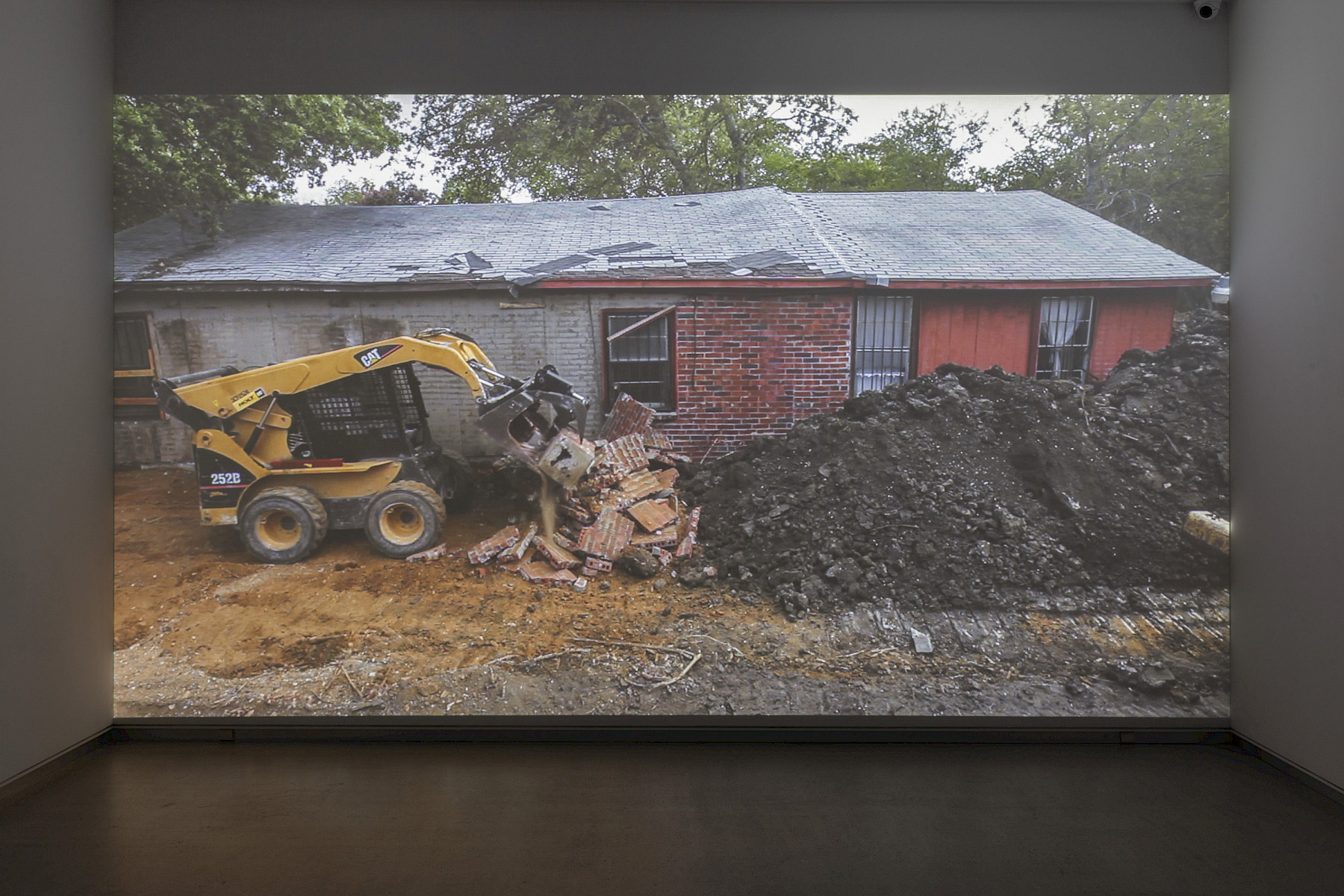
Another key element of the project revolves around Calcárea , an intervention developed in the Mañaria quarry that poses a direct question: where do the materials used to build Bilbao come from? The work invites viewers to observe a 115-million-year-old limestone rock just before it is crushed and transformed into building material. Temporarily extracted from the interior of the mountain, the stone appears as a geological fragment suspended between the distant past and its immediate incorporation into the contemporary urban landscape.

You may be
interested
...