Exhibitions
Iris van Herpen and the sensory revolution of fashion in the museum
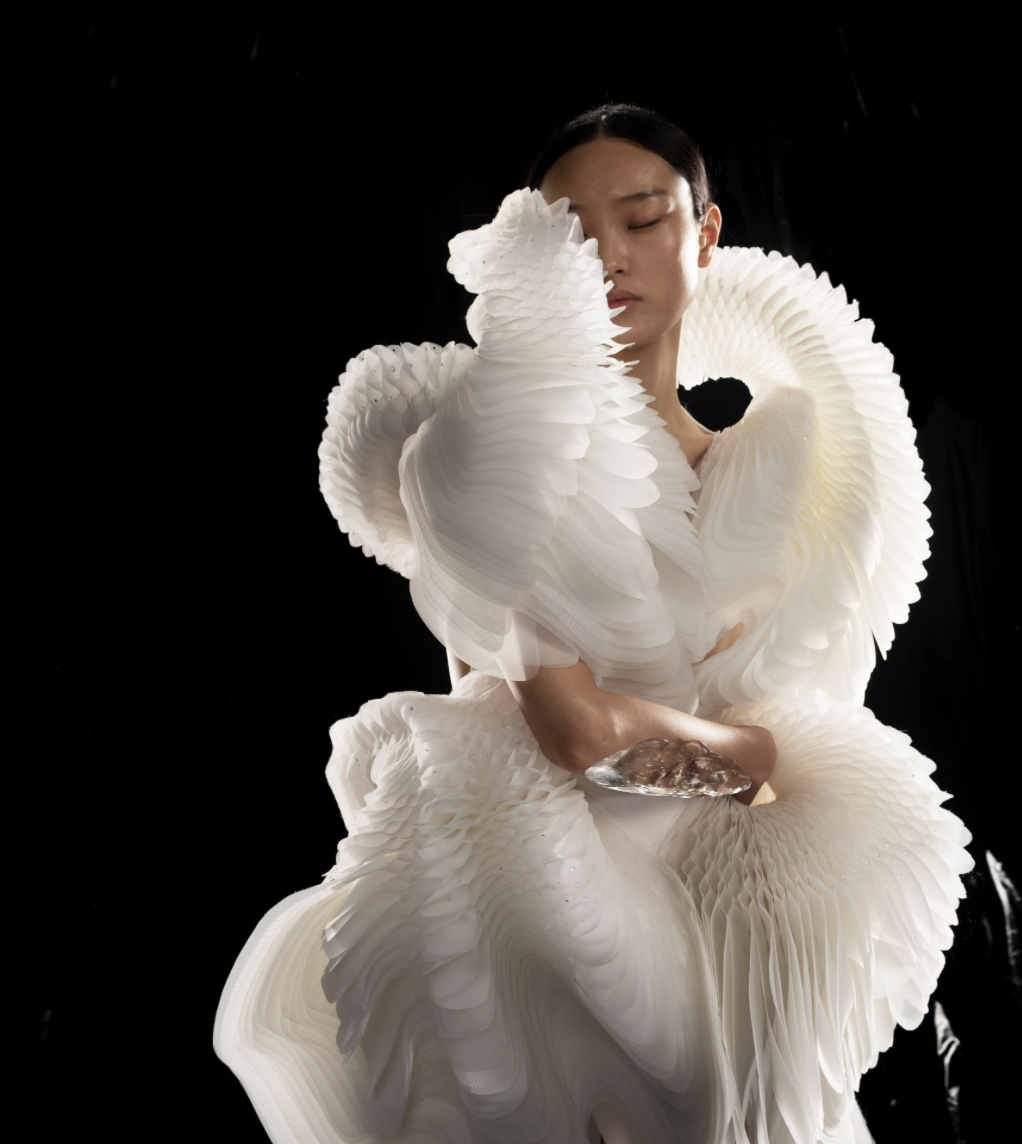
From May 16 to December 6, 2026, the Brooklyn Museum presents Iris van Herpen: Sculpting the Senses , one of the most ambitious and visionary fashion exhibitions of recent years. Dedicated to the Dutch designer Iris van Herpen, the exhibition brings together more than 140 haute couture pieces alongside art installations, scientific objects, and natural history specimens, offering an immersive experience where fashion transcends mere clothing to become art, research, and sensory exploration.
A pioneer in the use of innovative technologies applied to fashion, Van Herpen has transformed the language of haute couture by integrating 3D printing, biomimetic structures, fractal geometries, and studies linked to neuroscience and movement. Her designs—which have been worn by figures such as Beyoncé, Björk, Cate Blanchett, Lady Gaga, Miley Cyrus, and Ariana Grande—seem to belong as much to the world of science fiction as to an organic future inspired by nature.
The exhibition explores the relationship between the body, space, and environment from an interdisciplinary perspective. From the depths of the sea to the far reaches of the cosmos, the journey invites reflection on the fluidity of water, the physics of movement, the perception of sound and light, and the profound connection between nature, technology, and humanity.
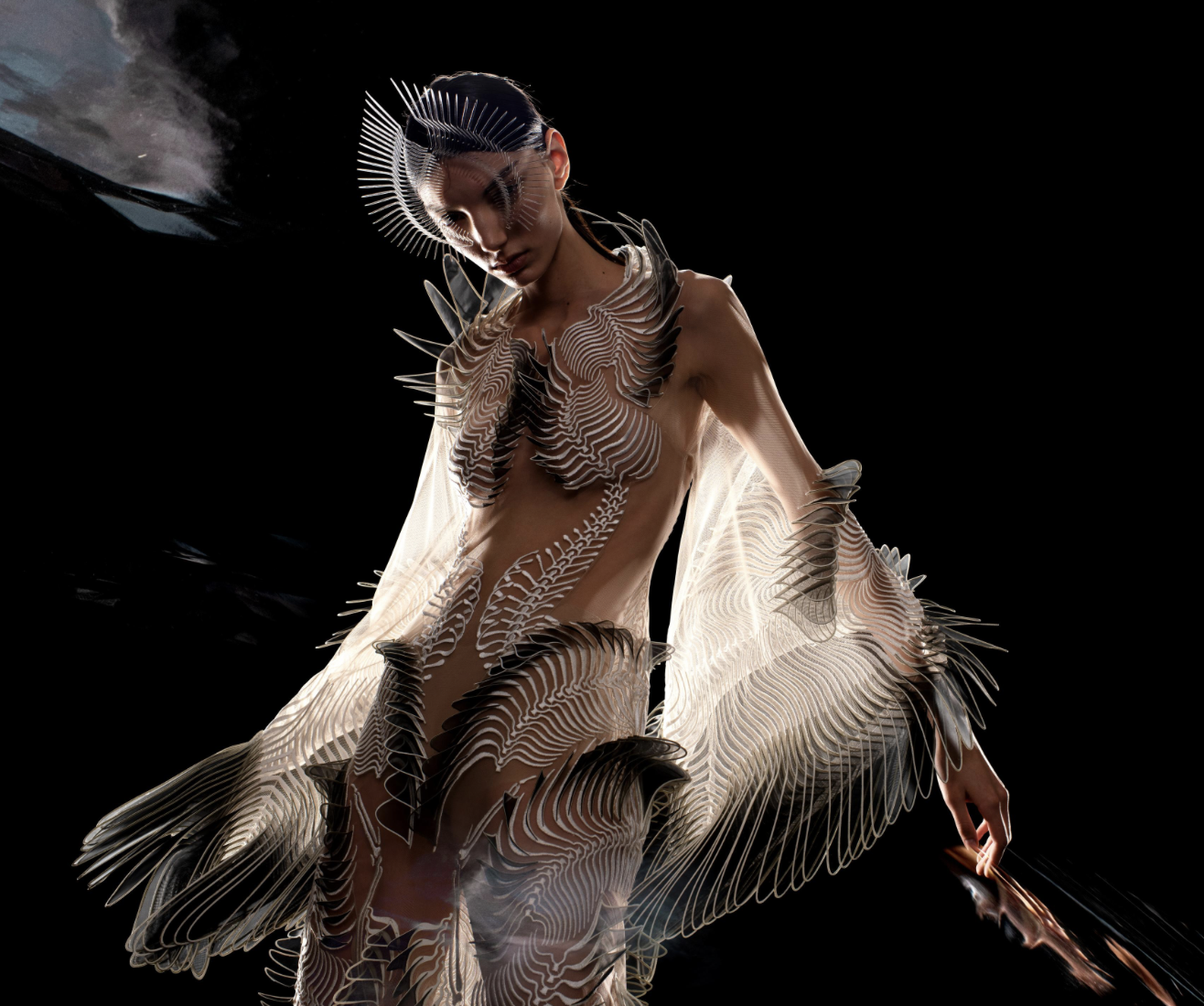
Iris van Herpen. Labyrinthine Kimono Dress, from the Sensory Seas collection, 2020. Glass organza, crepe, tulle, and Mylar. Model: Cynthia Arrebola. (Photo: David Ụzọchukwu).
The dialogue between disciplines is one of the great curatorial strengths of Sculpting the Senses . Van Herpen's creations coexist with works by contemporary artists and designers such as Philip Beesley, Rogan Brown, Casey Curran, Kim Keever, and Nick Knight. These are complemented by fossils, corals, skeletons, and archival materials that allow us to understand how the designer transforms biological patterns and natural phenomena into ethereal textile sculptures.
The soundscape composed by Salvador Breed amplifies the multisensory dimension of the exhibition, where each room functions as an immersive ecosystem. Visitors don't just observe dresses: they experience atmospheres that expand perception and challenge the boundaries between fashion, art, science, and technology.
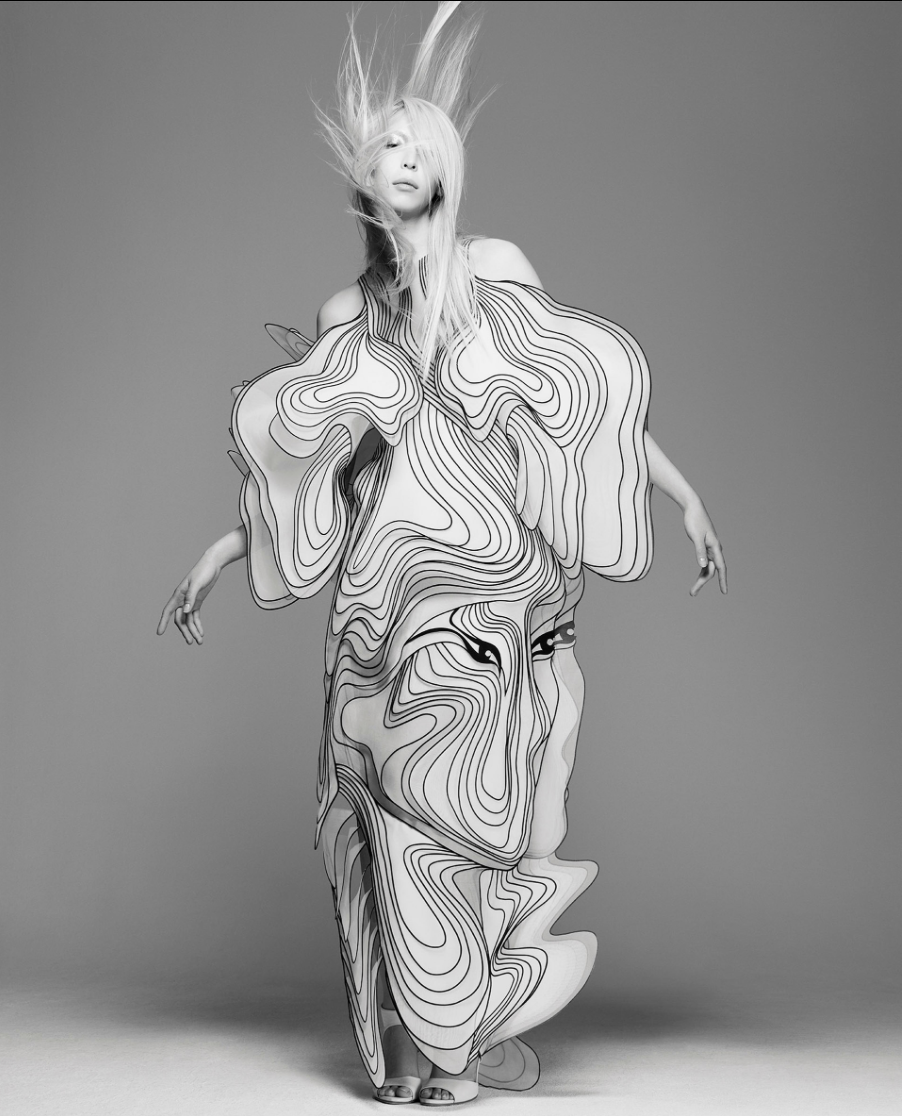
Iris van Herpen. Shift Souls Dress, from the Shift Souls collection, 2019. Laser-cut Komon Koubou textile, silk organza, and Mylar. Model: Issa Lish. (Photo: © Sølve Sundsbø)
Fashion as a cultural language of the contemporary museum
The importance of exhibitions like Sculpting the Senses confirms a profound shift in the role of fashion within museum institutions. For decades, fashion was considered a lesser discipline compared to traditional fine arts. However, in the 21st century, museums have come to understand that clothing design also reflects social transformations, technological advancements, collective imaginaries, and debates surrounding identity, sustainability, and the body.
Today, major international institutions have incorporated fashion as an essential part of their cultural programming. Exhibitions dedicated to designers not only attract new audiences but also generate immersive experiences capable of connecting art, architecture, science, performance, and contemporary visual culture.
In the case of Iris van Herpen, this dimension takes on a singular relevance. Her work is not limited to creating garments; it proposes new ways of thinking about the human body in a world shaped by artificial intelligence, biotechnology, and the ecological crisis. Her dresses resemble living organisms, marine structures, or biomechanical extensions that question what it means to inhabit the future.
You may be
interested
...