Exhibitions
Museum Night at the KBr: photography and memory in dialogue with Walker Evans and Pérez Siquier
When documentary images meet 20th century music in a nighttime experience in the heart of Barcelona.
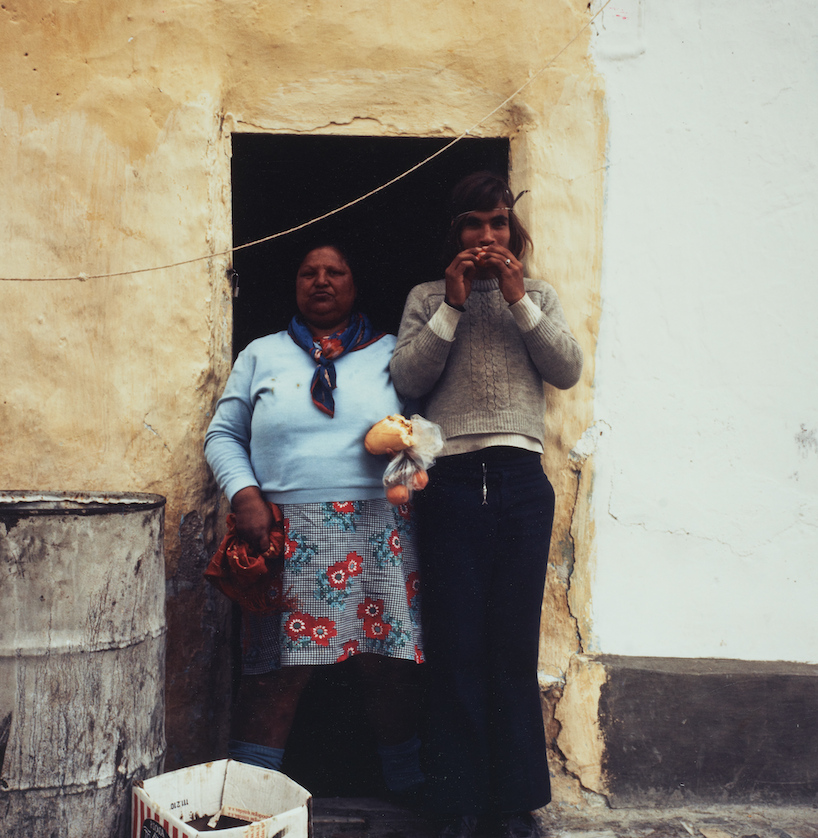
On the occasion of the Night of Museums, the KBr Fundación MAPFRE photography center in Barcelona presents a special program that combines the exhibition experience with live music, offering a cultural proposal designed for contemplation and dialogue between arts. This initiative articulates a journey that unites two fundamental exhibitions for understanding contemporary photography, establishing a bridge between two key perspectives of the 20th century.
The exhibition project brings together the universes of Walker Evans and Carlos Pérez Siquier, two essential authors who, from different contexts and sensibilities, contributed decisively to expanding the languages and narrative possibilities of modern photography. The proposal invites the public to move between these two visions, exploring both the documentary dimension and the more intuitive and experimental look that characterizes their works.
In Walker Evans. Now and Then , the visitor is immersed in the work of one of the great visual chroniclers of the United States. Evans constructed a precise and unartificial account of everyday life, capturing urban landscapes, humble interiors and anonymous faces in an America marked by social and economic transformation. His photography, of apparent formal simplicity, becomes a profound document on the dignity and fragility of ordinary life.
In parallel, the exhibition dedicated to Carlos Pérez Siquier, presented with the support of Fundación MAPFRE, recovers the work of one of the great innovators of photographic language in Spain. From Almeria, Pérez Siquier knew how to look at the country with a modern sensitivity, breaking aesthetic conventions and incorporating color and everyday life as central elements of his visual discourse.
The day ends at 8 p.m. with a jazz concert in collaboration with the Liceu Conservatory. The repertoire is inspired by the melodies and sound atmospheres of the United States during the Great Depression and subsequent decades. The proposal establishes a bridge between image and sound: Walker Evans' photographs, with their portrait of the rural and urban world of that period, evoke the music that could have accompanied the lives of its protagonists.


You may be
interested
...