Exhibitions
Juana Cima and the cartography of a vital dissidence
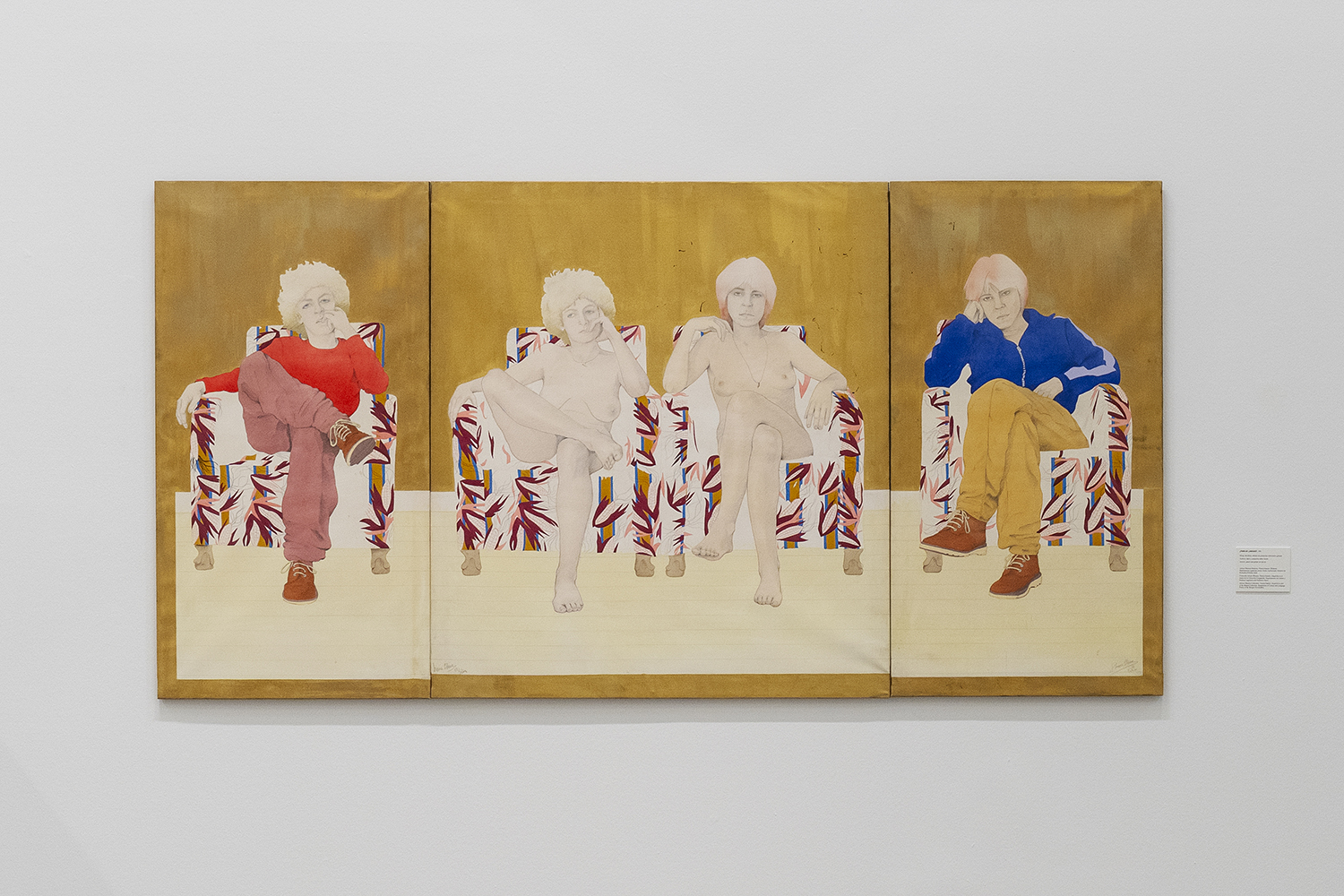
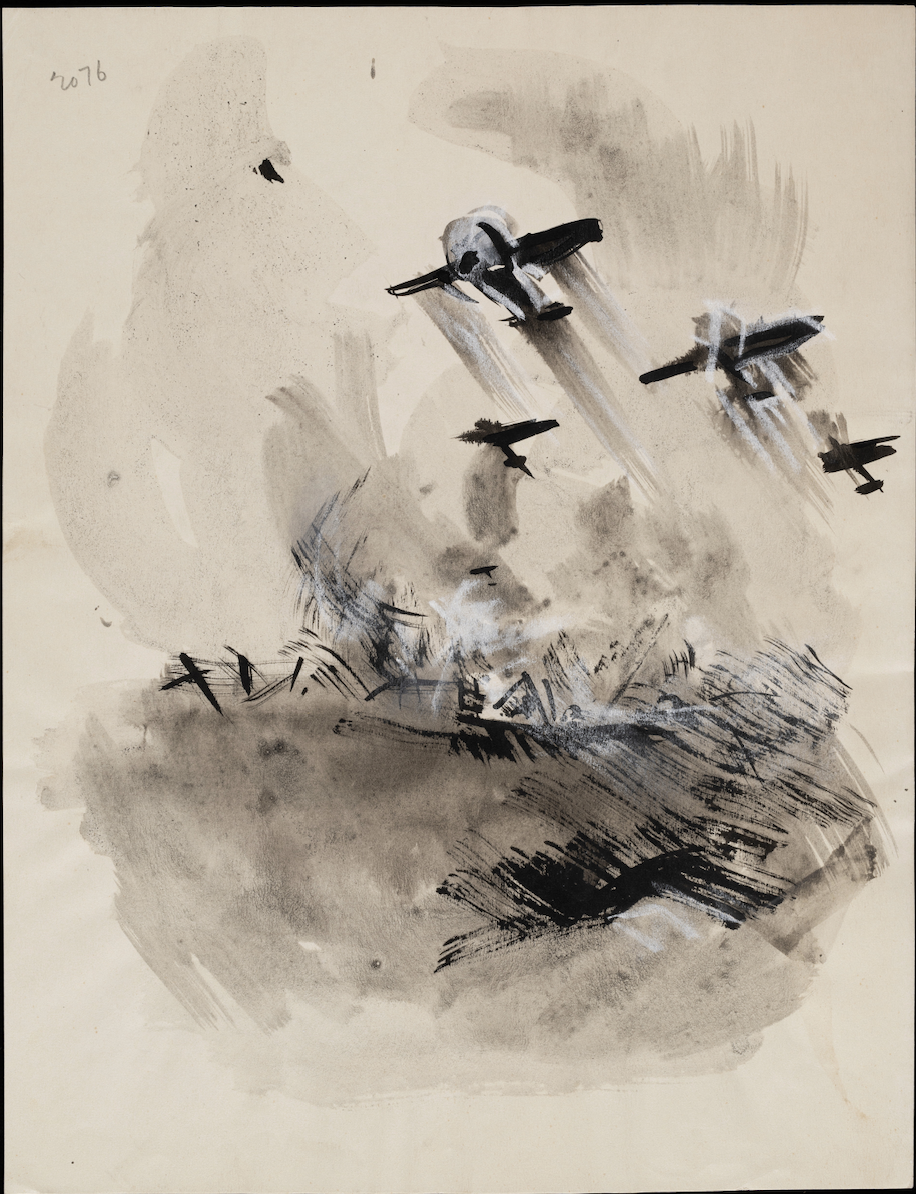
The Artium Museoa Museum of Contemporary Art of the Basque Country presents the exhibition Juana Cima. A Dissident Perspective , a comprehensive retrospective dedicated to the Cuban-Basque artist Juana Fernández Cima (Caibarién, Cuba, 1951). The exhibition, on view in Room A3 from February 28 to August 30, 2026, offers an approach that transcends chronology to delve into a way of life where art, thought, and experience are inseparable.
The exhibition, curated by Garazi Ansa-Arbelaiz, does not organize the work as a linear sequence, but rather as a constellation of vital and ideological territories. In it, Cima appears as a singular figure who, since the late 1970s, has anticipated current debates surrounding identity, ecology, and gender, constructing an artistic practice marked by dissent and a poetics of resistance.
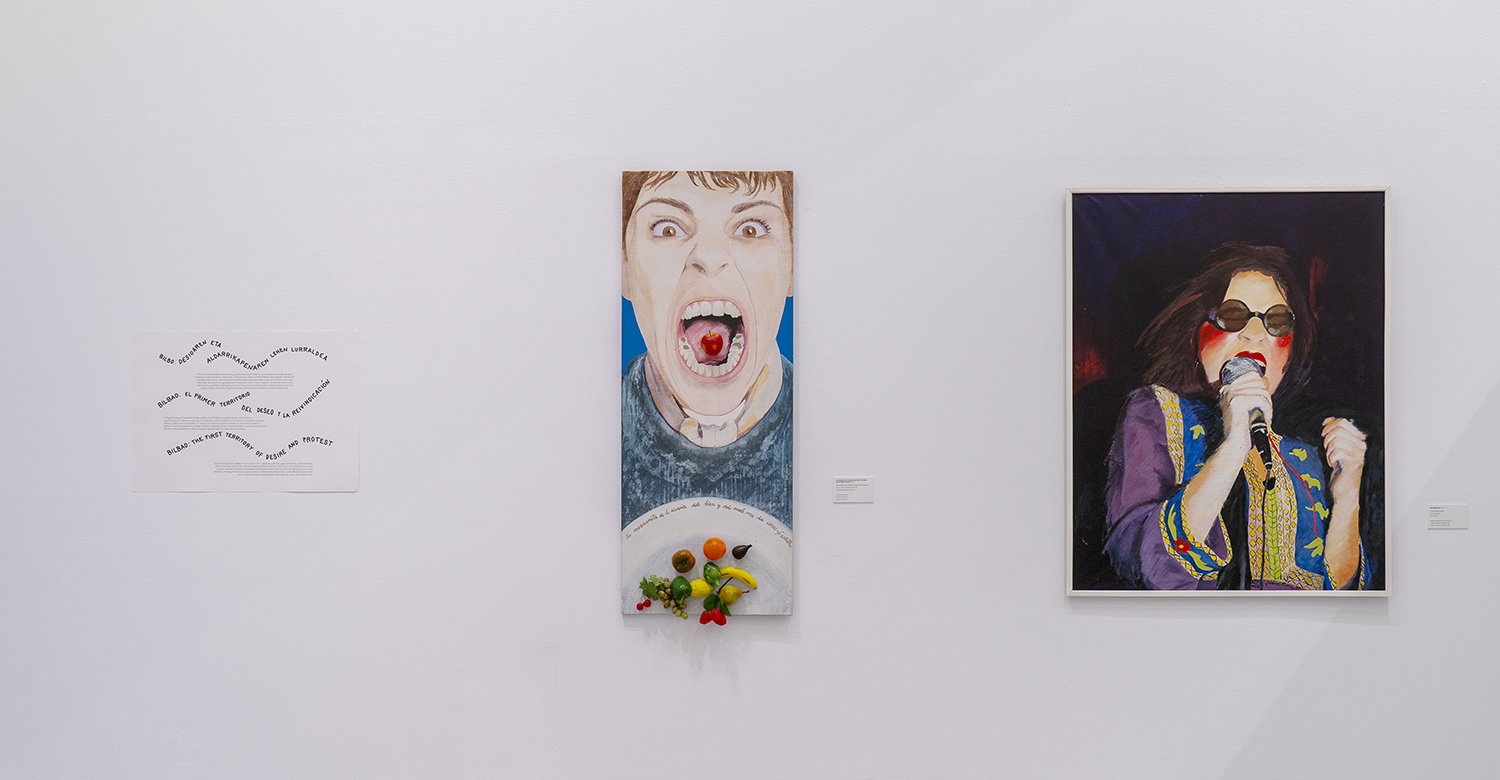
Juana Cima. A dissident perspective. View of the exhibition. Photo: Nuria González.
The retrospective at Artium not only recovers a scattered artistic output, but also proposes interpreting it as a reflection of a life attitude sustained over time. In Juana Fernández Cima's work, the boundary between art and life dissolves until it disappears, giving rise to a body of work that is not merely contemplated, but inhabited as a territory in constant transformation.
Her career is shaped by constant shifts between geographies and forms of knowledge. The memory of the Caribbean, her Basque background, and a constantly evolving spirituality configure a unique imaginary world, where creation merges with everyday experience until it becomes indistinguishable from life itself.
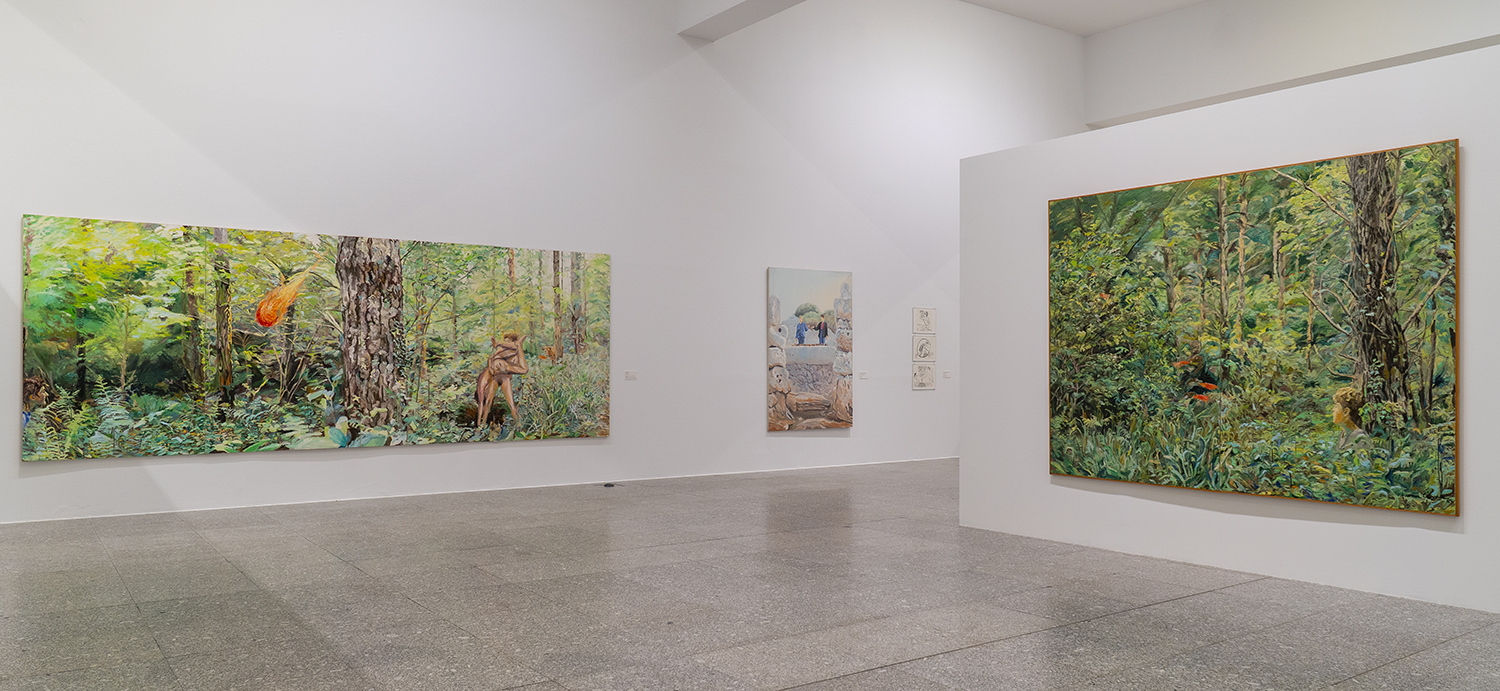
Juana Cima. A dissident perspective. View of the exhibition. Photo: Nuria González.
One of the key periods in her career is Bilbao, where her arrival marks a pivotal moment of personal and political affirmation. In this context, she actively participates in the Bizkaia Women's Assembly, contributing to the development of an iconography linked to feminism in the Basque Country. Simultaneously, she pursues extensive teaching experience at the University of the Basque Country (UPV/EHU), first at the Teacher Training College and later at the Faculty of Fine Arts in Leioa, where she remains until 2014.
From there, her work expands into increasingly open symbolic and conceptual territories. The exploration of an ecofeminist consciousness, the dialogue with Mediterranean knowledge, and the evocation of an island identity engage with later stages marked by a spiritual journey to India and an approach to Buddhism. This process culminates in a gradual retreat to the mountains, understood not as withdrawal, but as another form of observation and creation.
You may be
interested
...