Exhibitions
Artificial intelligence and urban memory: dialogue between 'Recycling Intelligences' and Miquel Navarro at the Suñol Foundation
A reflection on social housing, architectural archives and the construction of contemporary cities between algorithmic systems and sculptural imaginaries rooted in industrial and agricultural memory.
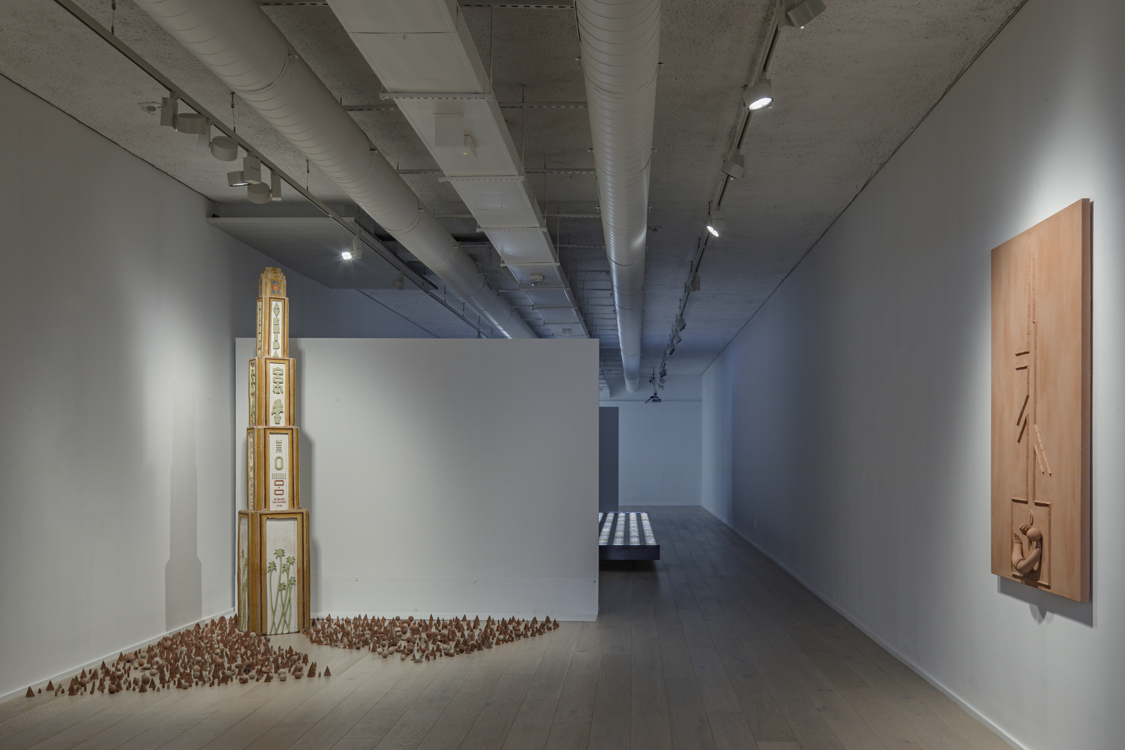
From April 30 to July 17, 2026, the Suñol Foundation presents an exhibition that establishes a dialogue between the installation Recycling Intelligences , by Julia Capomaggi, Lluís Ortega and Enrique Romero, and a set of works by Miquel Navarro from the Suñol Soler Collection.
The exhibition is part of the events linked to Barcelona's 2026 Capital of Architecture and is part of a series of exhibitions distributed throughout the city that reflect on the role of contemporary architecture. In this framework, the Suñol Foundation becomes a meeting place between artificial intelligence applied to design and an artistic vision rooted in the material and symbolic memory of the territory.
Recycling Intelligences explores how machine learning can enhance architectural intelligence in the design of social housing. The project uses a GAN (Generative Adversarial Network) model trained on a large archive of quality Spanish housing proposals, often little explored. This repository allows the analysis of typologies, coexistence models and spatial strategies that respond to contemporary challenges such as the climate crisis or social diversity.
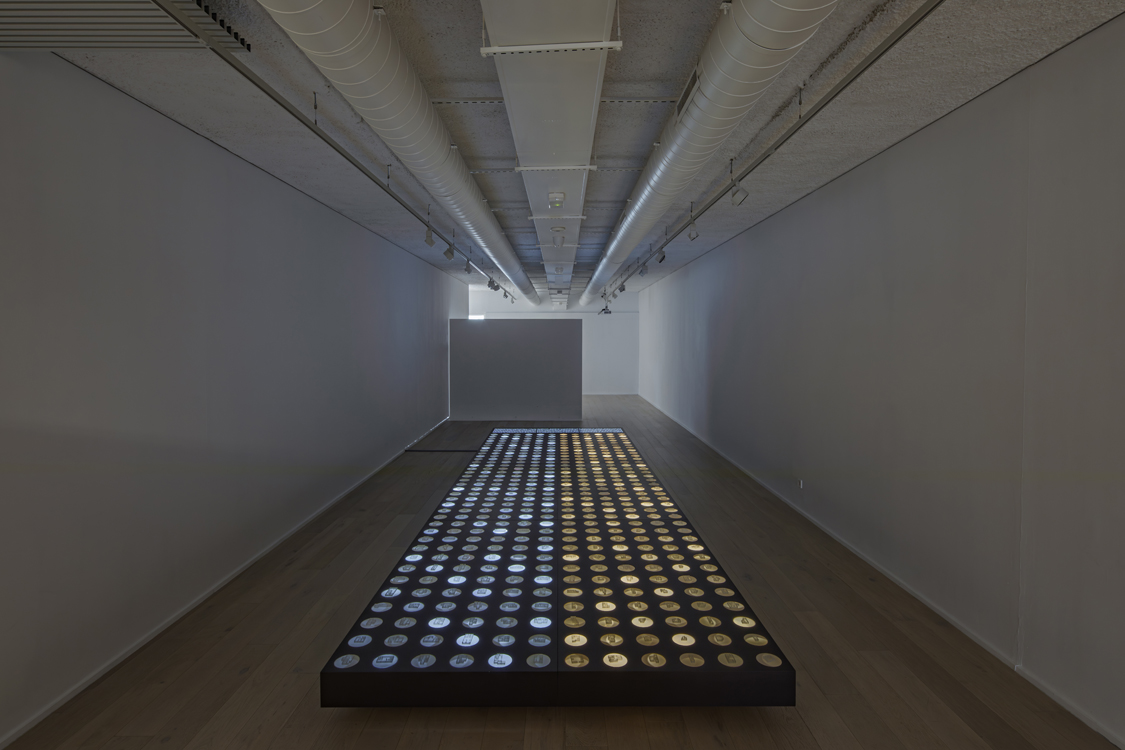
The installation is presented as a 12 m² table with 370 dynamically backlit 3D printed models, some original and others generated by artificial intelligence. The exhibition device also incorporates explanations about computational processes, making visible the internal logic of algorithmic creation and its relationship with architectural design.
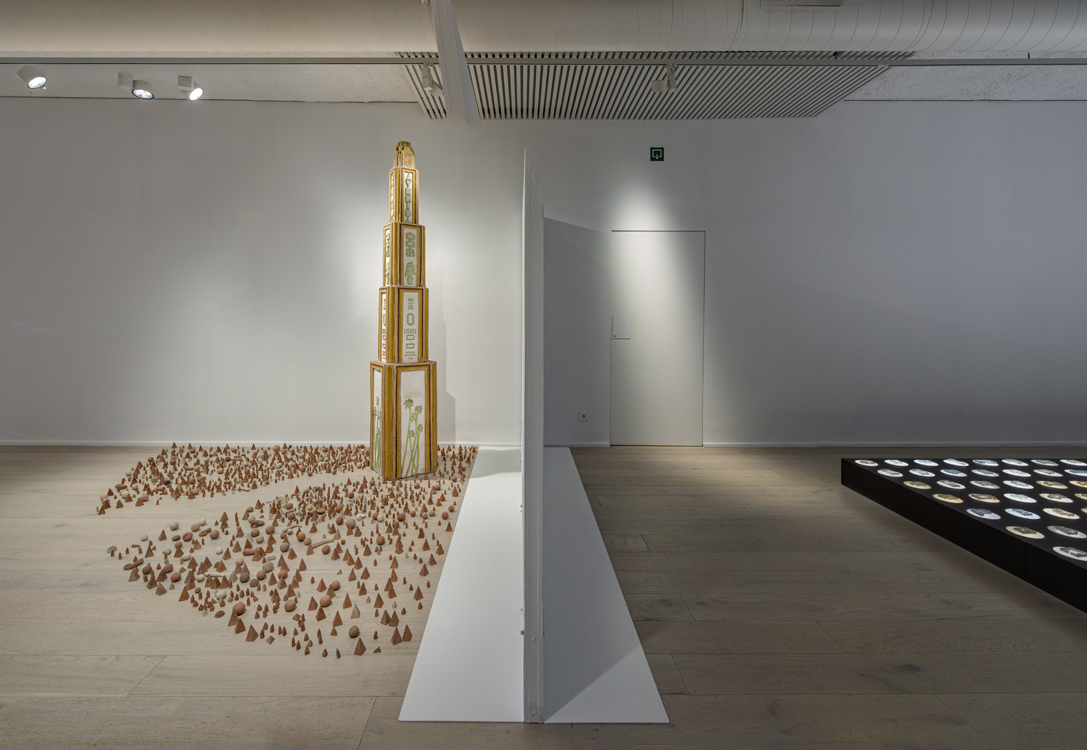
In dialogue with this technological proposal, Miquel Navarro's work introduces a material and symbolic dimension of the city. The artist evokes his native Mislata, where the industrial past and agricultural tradition merge into an urban imagination built with clay and essential forms. His pieces propose a city in permanent transformation, closer to a living organism than to a fixed structure.
In Torre Avenida (1975–1976), Navarro suggests a set of volumes that recall forms of housing organized around a central structure. In Fàbrica amb laberint (1978), a dominant chimney evokes the industrial past with a nostalgic but also critical gaze. Finally, Bou embolat (1979) introduces ritual and celebration as elements that reconfigure urban space, turning the city into a symbolic and collective stage.
The dialogue between Recycling Intelligences and Miquel Navarro raises a shared reflection on the future of housing and the city. On the one hand, artificial intelligence that learns from existing models to generate new possibilities; on the other, a work that recovers memory, matter and the human dimension of the built space.
Between both approaches, a central question emerges about how to imagine the cities of the future: whether they can be both the product of computational systems and memory deposits, or whether this tension is precisely the driving force behind their evolution.

You may be
interested
...