Opinion
Is performativity key to understanding contemporary art?
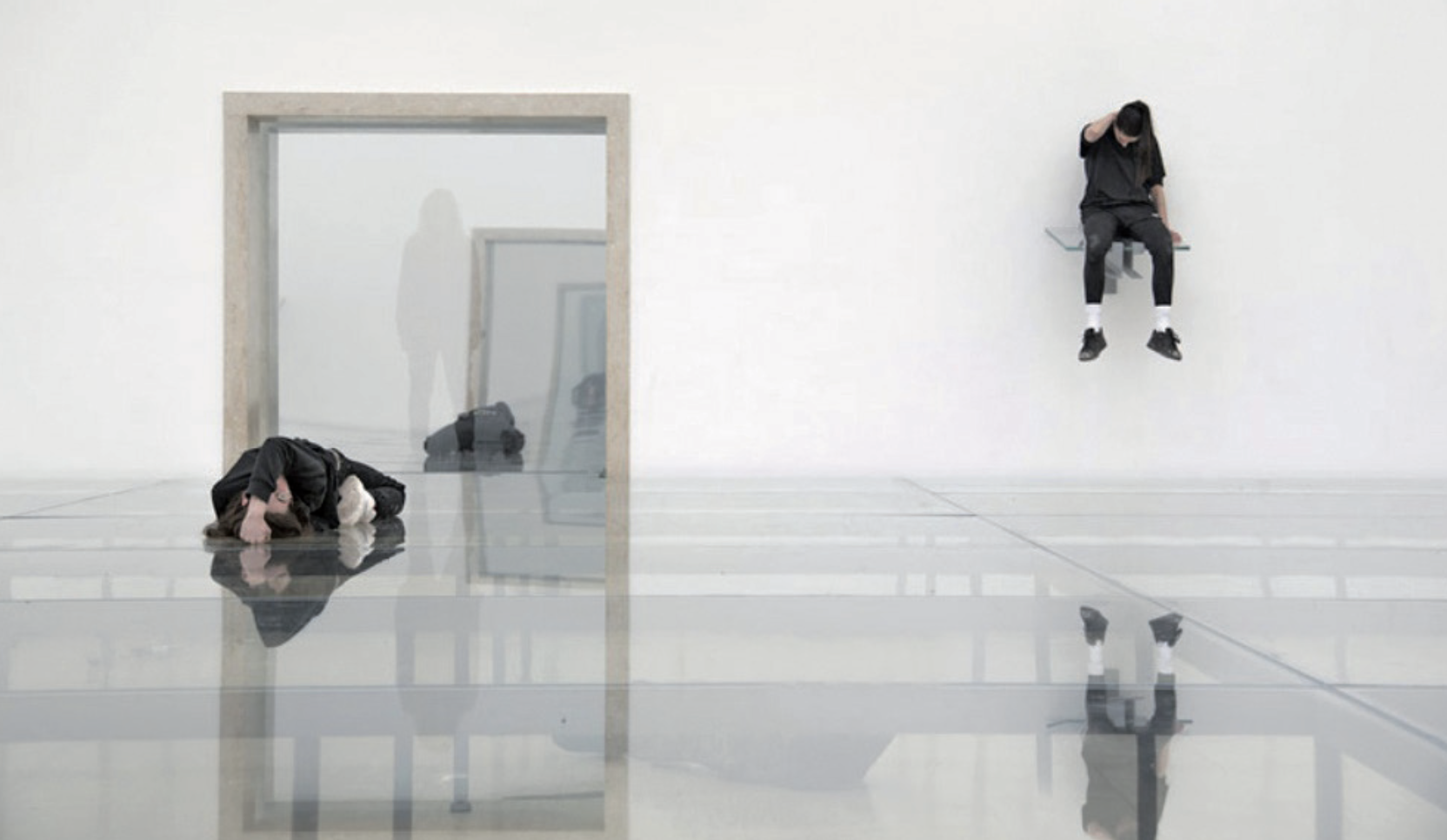
Contemporary art often makes us uncomfortable because it no longer simply represents reality like a mirror. In many cases, it intervenes in the world and alters some aspect of it: it creates situations, modifies behaviors, and opens up new ways of relating to one another. In this sense, the concept of performativity becomes central. But it's important to clarify that this is not the same as performance art understood as "doing a performance" before an audience. Here, the key idea is different: the work not only creates, but also makes others create. As a constitutive logic, it functions as a device that activates actions, decisions, and connections between people, and designs the conditions for things to happen. Consequently, a piece is performative when it mobilizes others' actions and decisions, when it generates audiences that didn't exist before, when it transforms spectators into participants, and when it redefines what it means to be an author, a work, or a community.
This perspective compels us to understand that what happens in a work of art depends not only on the artist, since the public and its level of involvement, the institution and its norms, the space and its devices, and the protocols and languages that distribute roles and guide possible actions also play a part. Likewise, the social and political context—with its material and emotional tensions—shapes the effects.
However, no principle is neutral. Performance art, insofar as it involves people and generates relationships and situations, cannot disregard the consequences of its implementation: it must assume responsibility. Precisely for this reason, it is necessary to monitor how it is applied and under what conditions it occurs, because performativity can be degraded when it becomes formulaic: the eventification, instrumentalized participation, or domesticated and predictable transgression.
And this is where we must redefine what we understand by effectiveness: not as immediate impact or media buzz, but as the capacity to activate learning processes, create connections, and change habits, leaving a mark not as an object, but as a process. In a time when everything tends to dissolve into accelerated consumption and increasingly fleeting attention, the crucial question shifts: it is no longer so much “what is this work?”, but rather what it activates, what it transforms, how it affects us, and what it makes us do. In this sense, performativity can be understood as a poetics of consequence: a way of articulating forms and situations that not only signify, but also produce effects and leave a trace on how we perceive, relate to, and act in the world.


You may be
interested
...