Exhibitions
Alice in Valencia
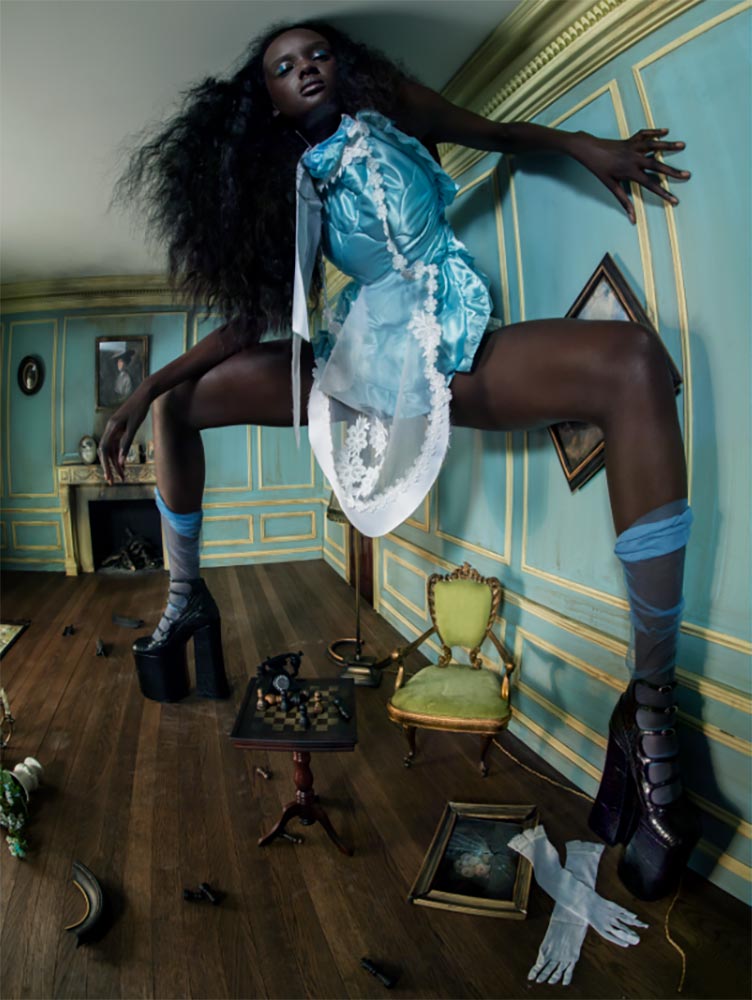
There are many Alice worlds. Since the publication of Lewis Carroll's novel in 1865, these have continued to multiply. Between translations into more than 170 languages and various film adaptations, including one by Walt Disney, or reinterpretations by designers like Vivienne Westwood, photographers like Tim Walker, and even artists like Dalí, Alice remains a wonderful cultural phenomenon.
Now, the CaixaForum in Valencia, with its exhibition until October 12th , "Alice's Worlds: Dreaming of Wonderland," the first of its kind, offers a glimpse into the impact of Carroll's books on Alice.
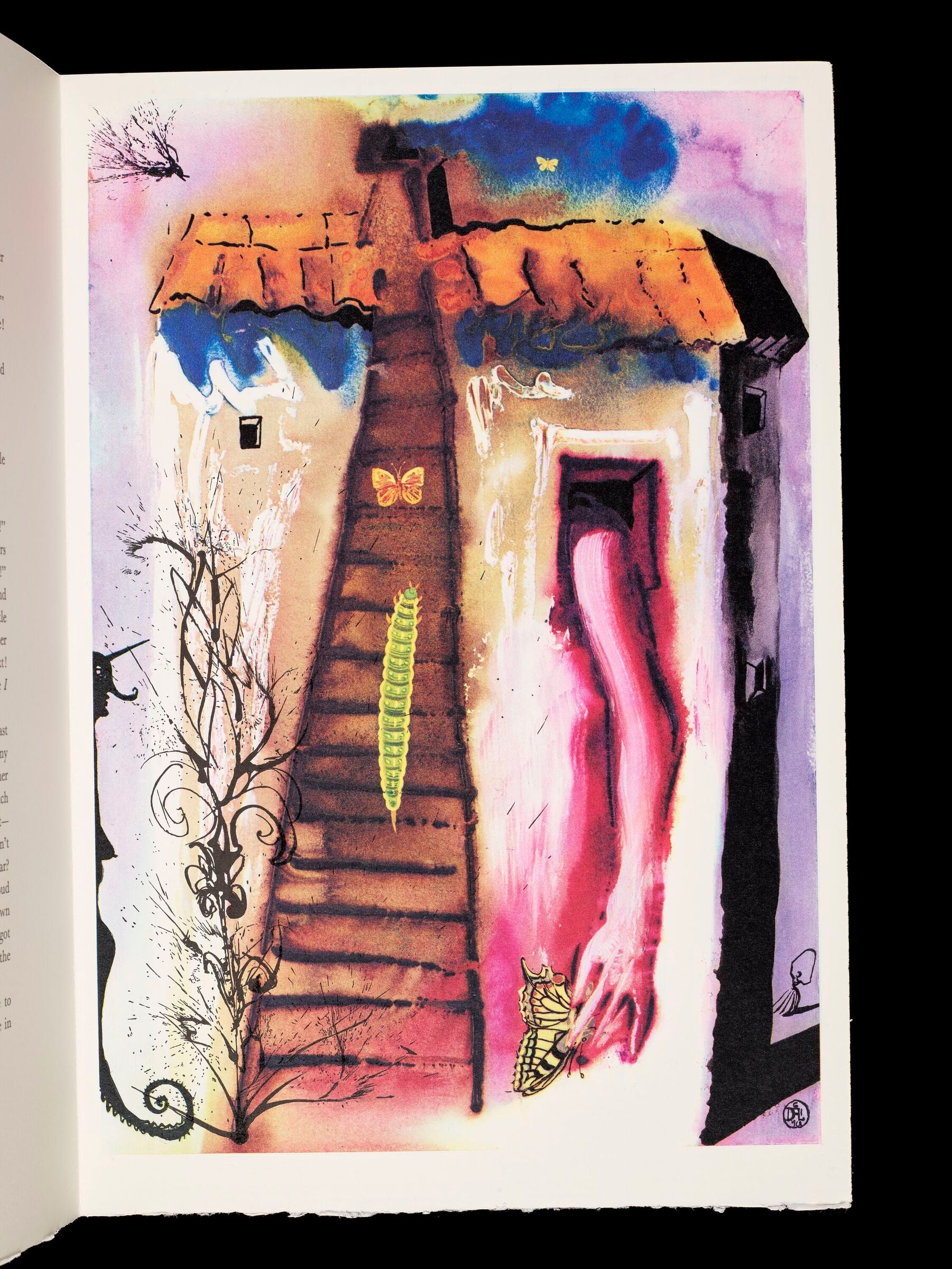
Salvador Dalí (1904-1989), Alice in Wonderland, "The Rabbit Sends a Messenger", 1969, heliogravure with annotation © Victoria and Albert Museum, London © Salvador Dalí, Fundació Gala-Salvador Dalí, VEGAP, València, 2026.
The exhibition, according to its curator, Kate Bailey, stems from a curiosity about how and why this book, Alice in Wonderland, remains so relevant today. Starting with a reflection on the origins of this story, the exhibition is organized in such a way that space, the scale of the pieces, and time embrace and harmonize to create an experience that acts simultaneously as both question and answer, like the book itself and its various reinterpretations.
Alice's Worlds delves into the background and context of the work and reviews the adaptations to different disciplines such as film, fashion, plastic and visual arts, science and digital art.
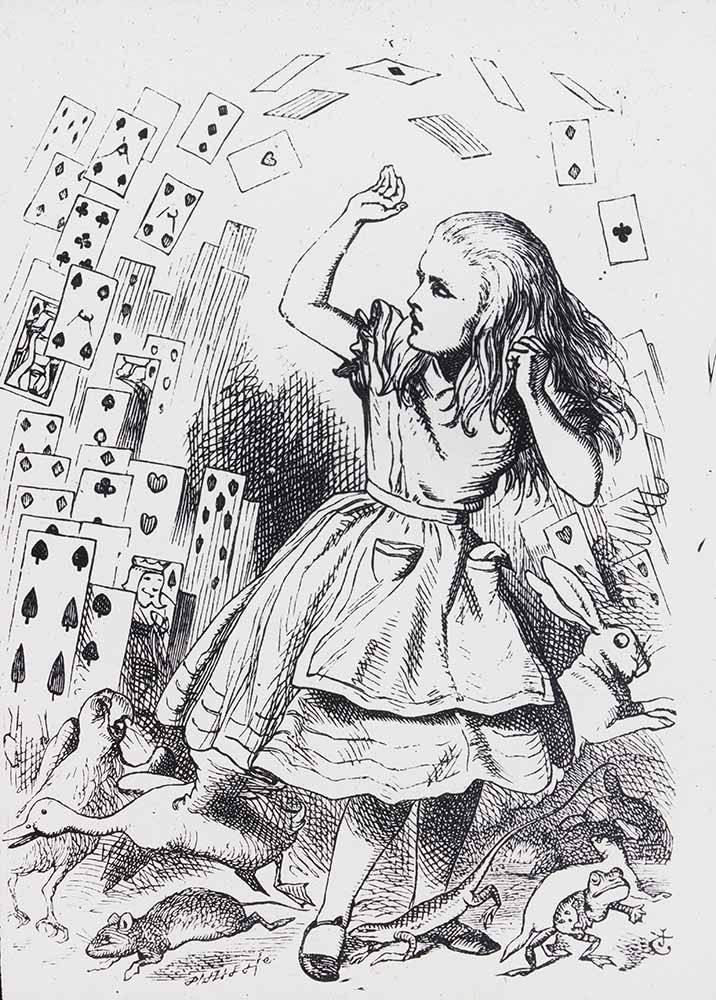
"They're just a deck of cards." Illustration by John Tenniel for Alice's Adventures in Wonderland. Image courtesy of Macmillan Publishers International Ltd.
Just as the book does, through its twelve chapters, the exhibition aims to guide the viewer as the reader guides Alice as she encounters various whimsical objects and characters. In this way, the exhibition draws the viewer into a playful and theatrical dimension, creating a space for reflection and facilitating a dialogue between Alice's world (or worlds) and our own.

You may be
interested
...