
Exhibitions
Colita and Maria Aurèlia Capmany: The Antifémina project at the Auditorium of Galicia
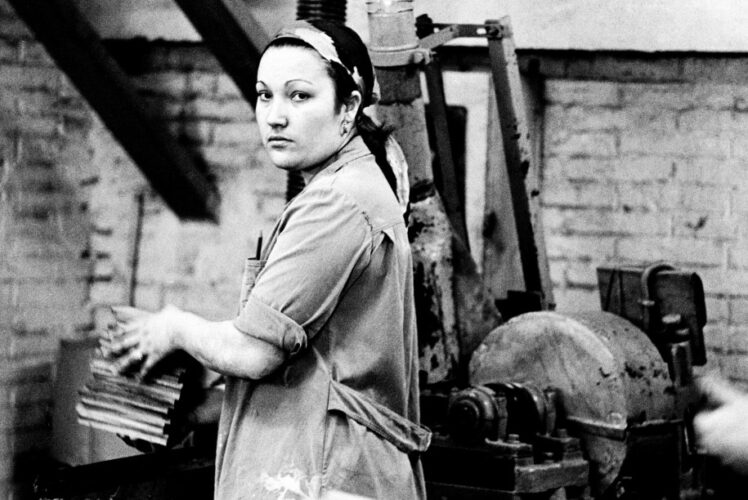
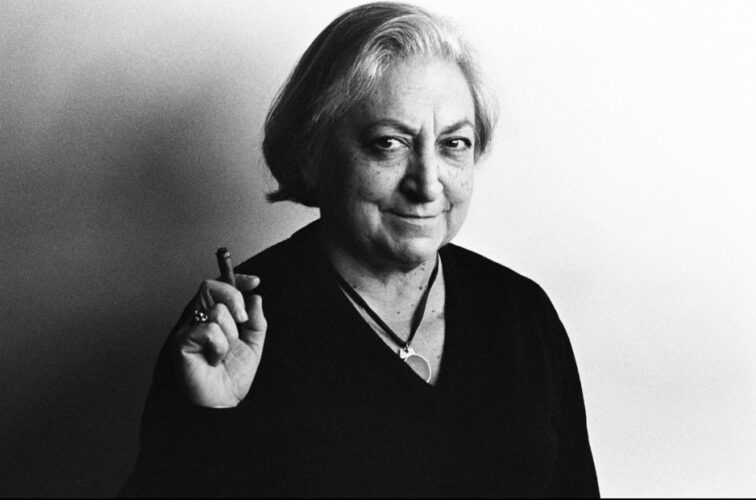
The Auditorio de Galicia in Santiago de Compostela will host the exhibition Antifémina from March 25 to August 1, 2026. This exhibition, curated by Francesc Polop and co-produced by La Fábrica and the Círculo de Bellas Artes, analyzes the eponymous publishing project created in 1977 by photographer Isabel Steva Hernández, known professionally as Colita, and writer Maria Aurèlia Capmany.
The exhibition centers its narrative around the book Antifémina , a work that emerged, within the historical context of the Spanish Transition, as a graphic proposal focused on the female condition. Although the book's original distribution was interrupted by the publisher's decision to withdraw it from the market shortly after its release, the document maintained its relevance in academic and cultural circles, becoming a benchmark of visual literature of the period.
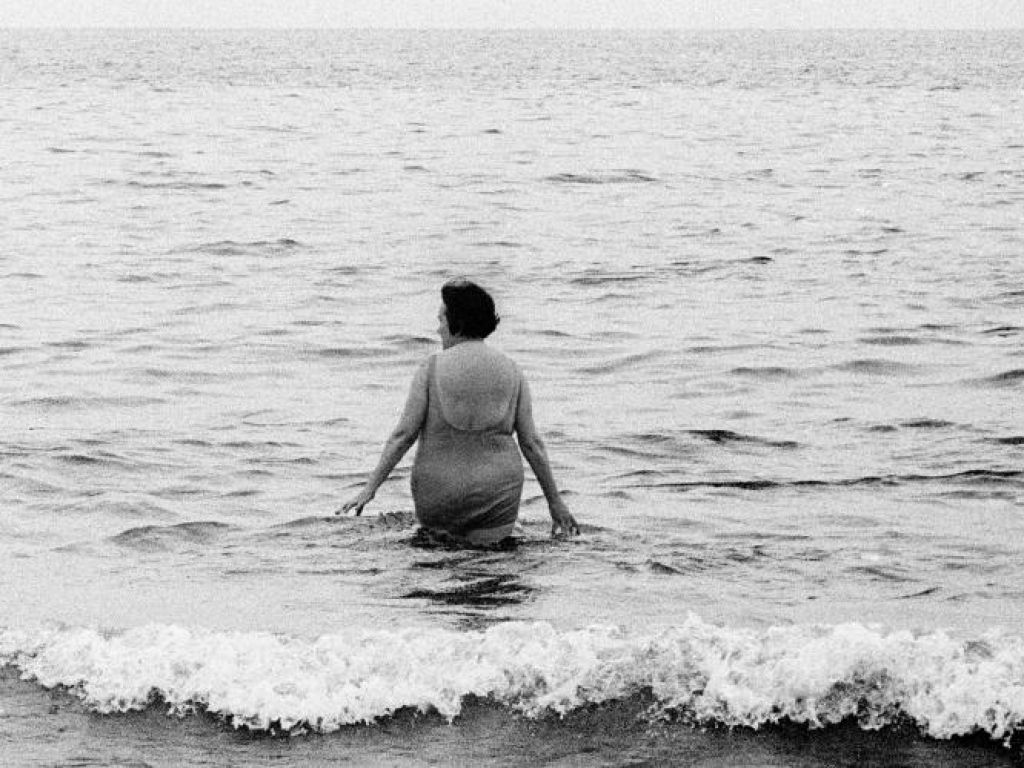
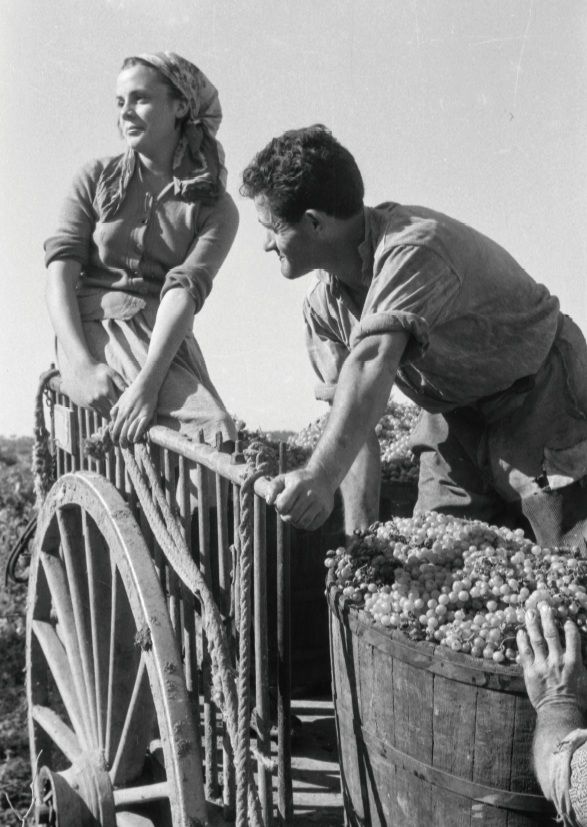
The exhibition's layout allows visitors to observe the collaboration between Capmany's textual narrative and Colita's documentary record. The images and texts are structured to offer an analysis of the representation of women in society, questioning established roles and gender stereotypes from the late 1970s. The recovery of this material is the result of research led by Francesc Polop, director of the Colita Archive, who completed the re-edition of the work in 2021, published by Terranova and the Barcelona City Council.
This exhibition at the Auditorium of Galicia presents the photographs and content that formed the basis of the original publication, placing them within a historical context. The exhibition highlights the intellectual activity of two authors who used their respective artistic languages to address themes related to feminism and the empowerment of women in both the public and private spheres. Through the presentation of this archive, the Santiago de Compostela venue offers a direct approach to one of the first graphic projects that explicitly addressed feminist thought in Spain, underscoring the enduring relevance of its observations and the importance of preserving contemporary visual memory.

You may be
interested
...