Exhibitions
Solve et Coagula: Leonora Carrington's alchemical journey
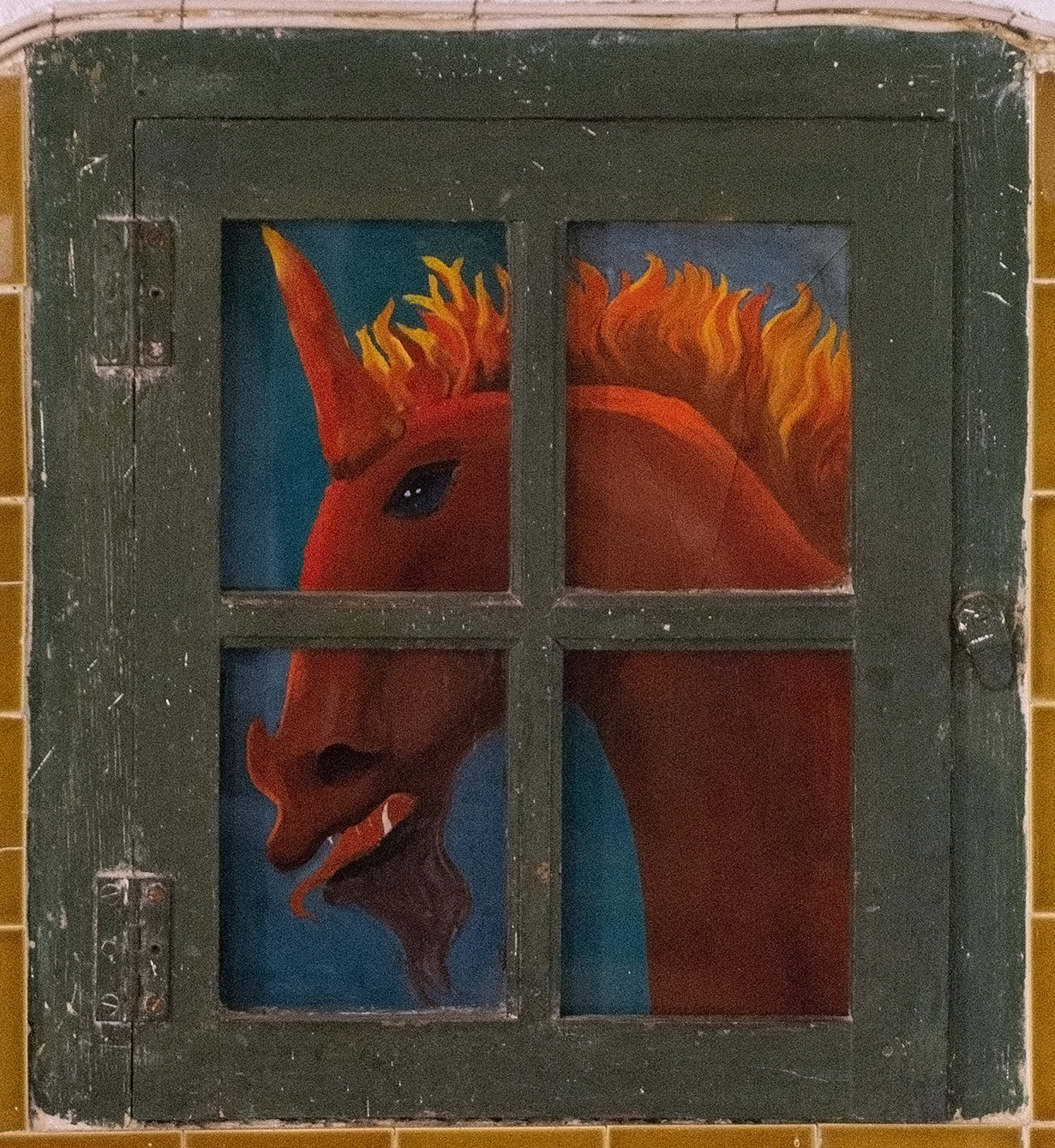
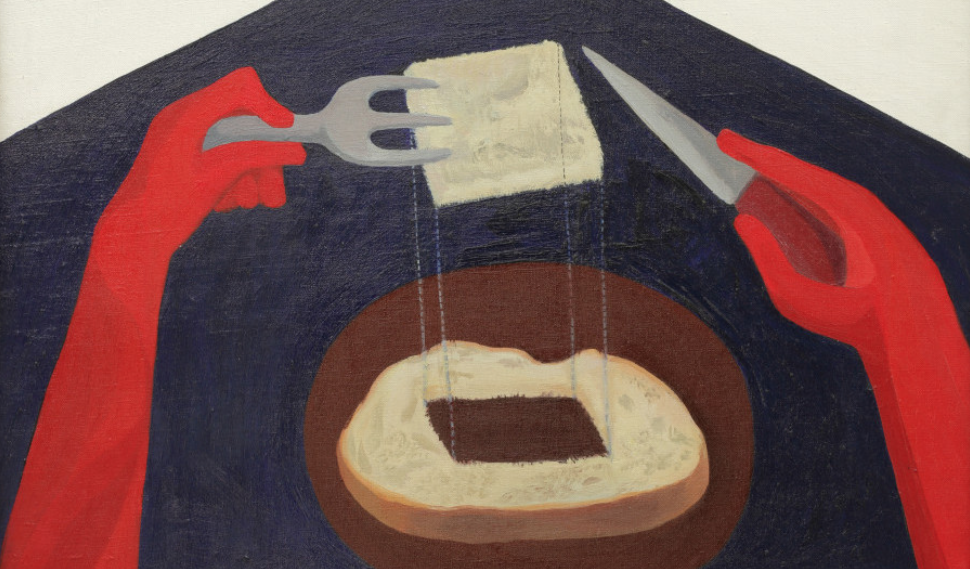
The Musée du Luxembourg is hosting a major exhibition dedicated to Leonora Carrington until July 19. Carrington, a key figure in Surrealism, created a universe as radical as it is elusive. An artist, writer, feminist, and thinker connected to the spiritual and the esoteric, Carrington built a body of work deeply marked by her life experiences: as a woman, mother, migrant, and marked by episodes of mental illness.
Born in 1917 in Lancashire, England, she forged her identity through constant displacement, both geographical and internal. From Florence to Paris, from the south of France to Spain, and finally to Mexico – where she established herself as a cult figure – her life trajectory nurtured an imaginary world in which surrealism, mythology, and esotericism converge.
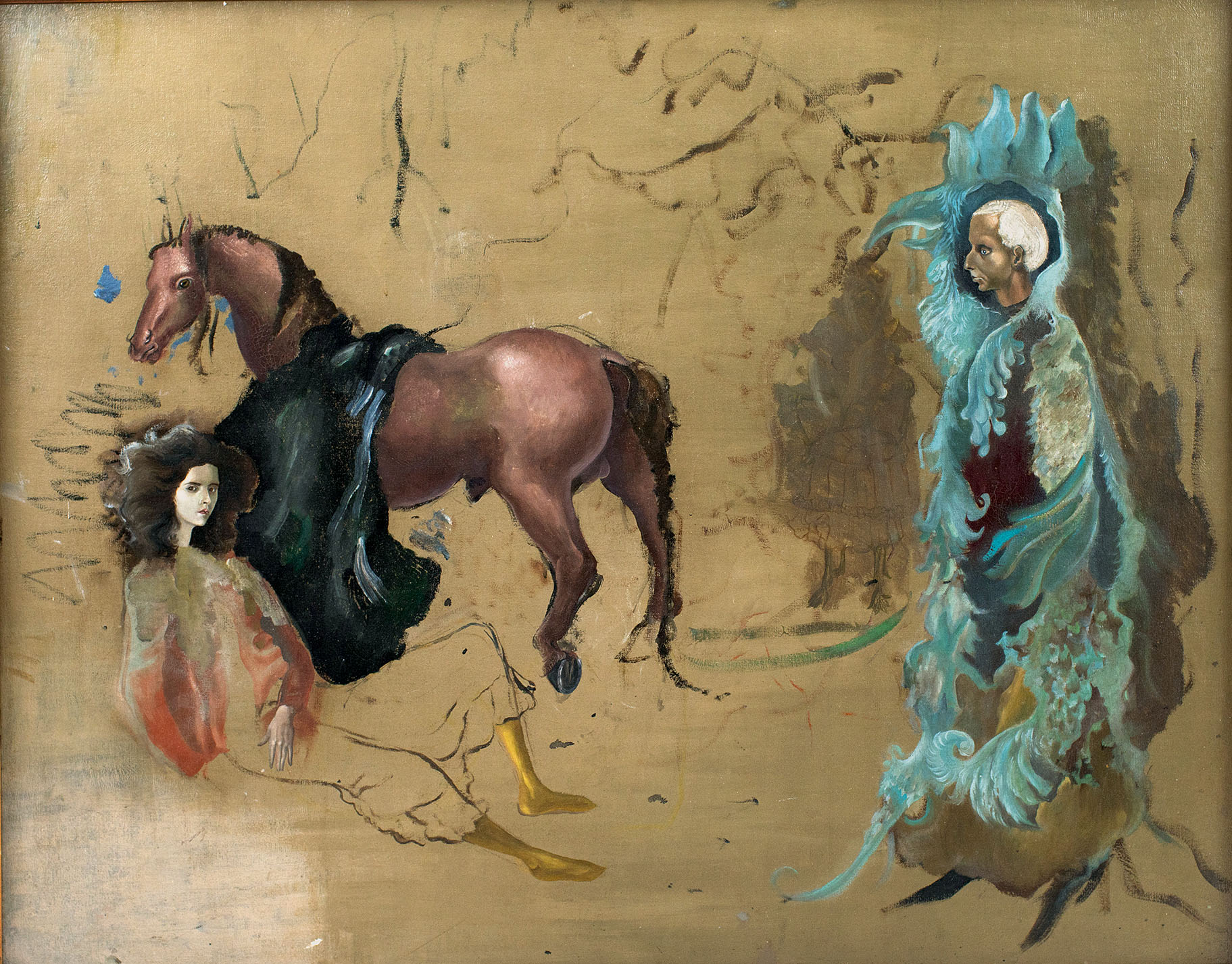
The exhibition brings together 126 works and is the first major exhibition in France dedicated exclusively to her work. It presents Carrington as a “Vitruvian woman”: a model of dynamic equilibrium where her creations fuse the human and the animal, the masculine and the feminine. In this universe, metamorphosis and symbols articulate a narrative that unfolds like a dreamlike melody, strange yet internally coherent.
Through a chronological and thematic journey, the exhibition addresses the main cores of his thinking: his discovery of classical Italian art in Florence during his adolescence, his fascination with the Renaissance, his Celtic and post-Victorian origins, and his participation in surrealism during his stay in France.
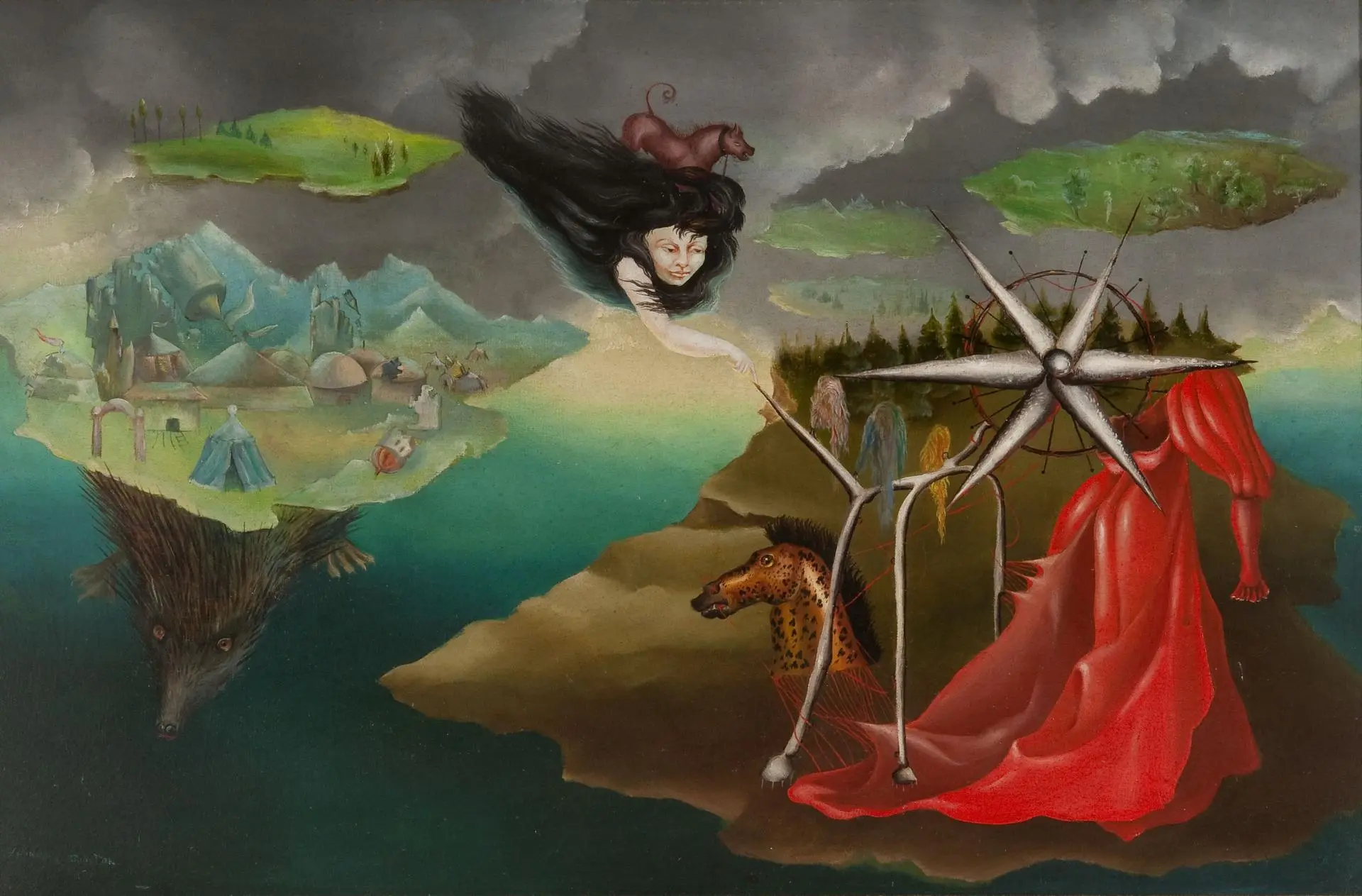
Carrington's legacy thus reveals itself as the result of a perpetual journey toward self-knowledge. Her works emanate an ethereal quality whose symbolism transcends language, as if referring to a hidden wisdom. In them, the hero's journey takes on an intimate dimension, transforming her artistic practice into a process of constant transmutation.
You may be
interested
...