News
Mexico, Frida Kahlo and the dilemma of the Gelman Collection
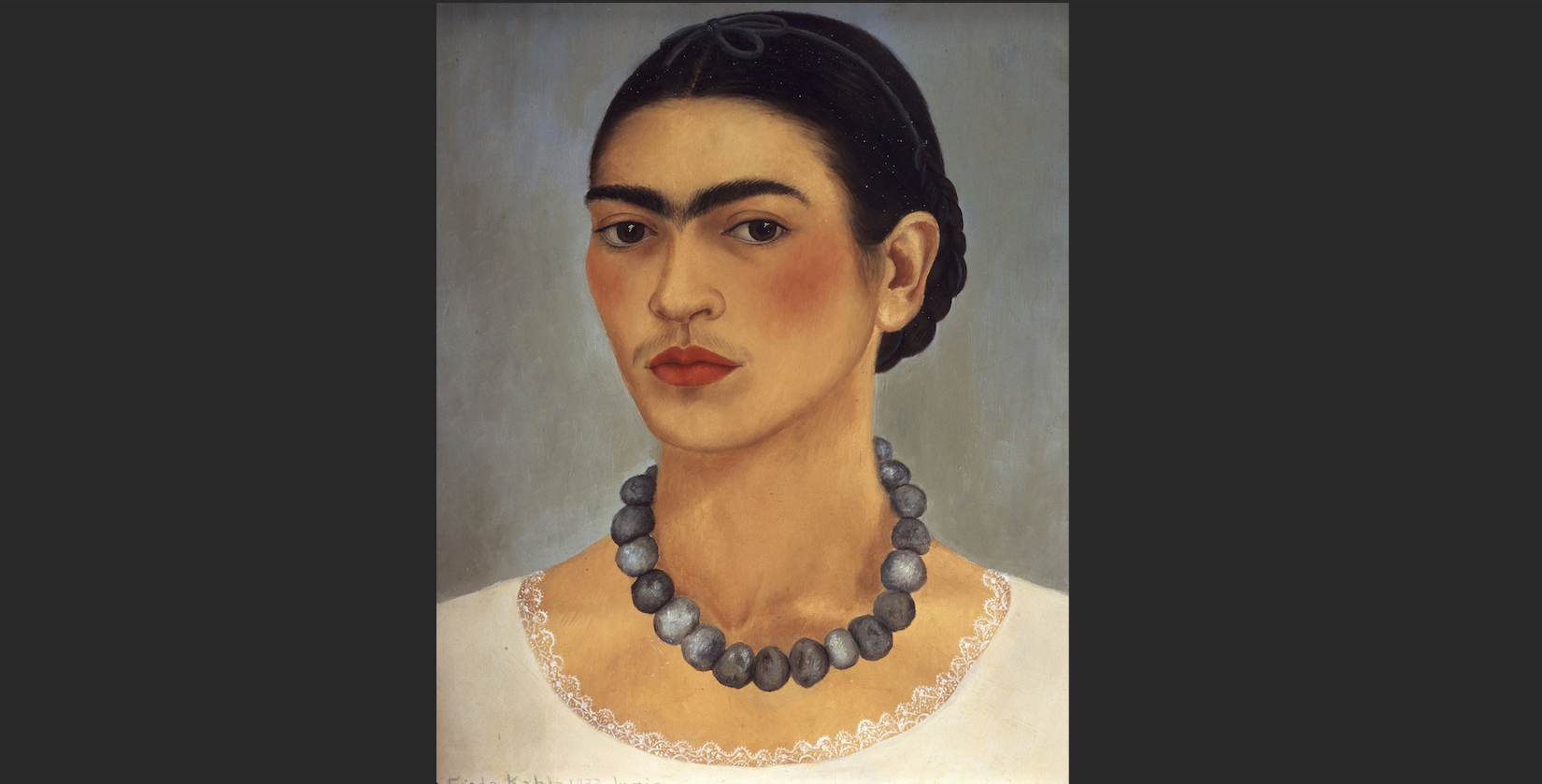
The recent controversy surrounding the Gelman Collection has ignited a nationwide cultural debate in Mexico. The Banco Santander Foundation announced it would assume management of the collection following an agreement with the Zambrano family, its owners. This would include iconic works by Frida Kahlo, Diego Rivera, María Izquierdo, and Rufino Tamayo, which would be exhibited at Faro Santander, the bank's new cultural center in Santander.
For many Mexican experts, this decision presents an ethical and legal dilemma. More than 400 art specialists have signed a letter demanding transparency from Claudia Sheinbaum's government and criticizing the removal of these works from the country. The main controversy revolves around Frida Kahlo's pieces, whose export is regulated by a 1984 law that prohibits their removal, except in exceptional cases authorized by the National Institute of Fine Arts and Literature (INBAL) for the "dissemination of national culture abroad." Historian Francisco Berzunza compares it to Spain handing over its entire collection of Velázquez's works to a foreign private entity.
Currently, some of these works remain at the Museum of Modern Art in Mexico City until July 19, thanks to an extension requested by the government to coincide with the World Cup. It is not yet confirmed whether they will ultimately be exhibited in Santander in June, as originally planned.
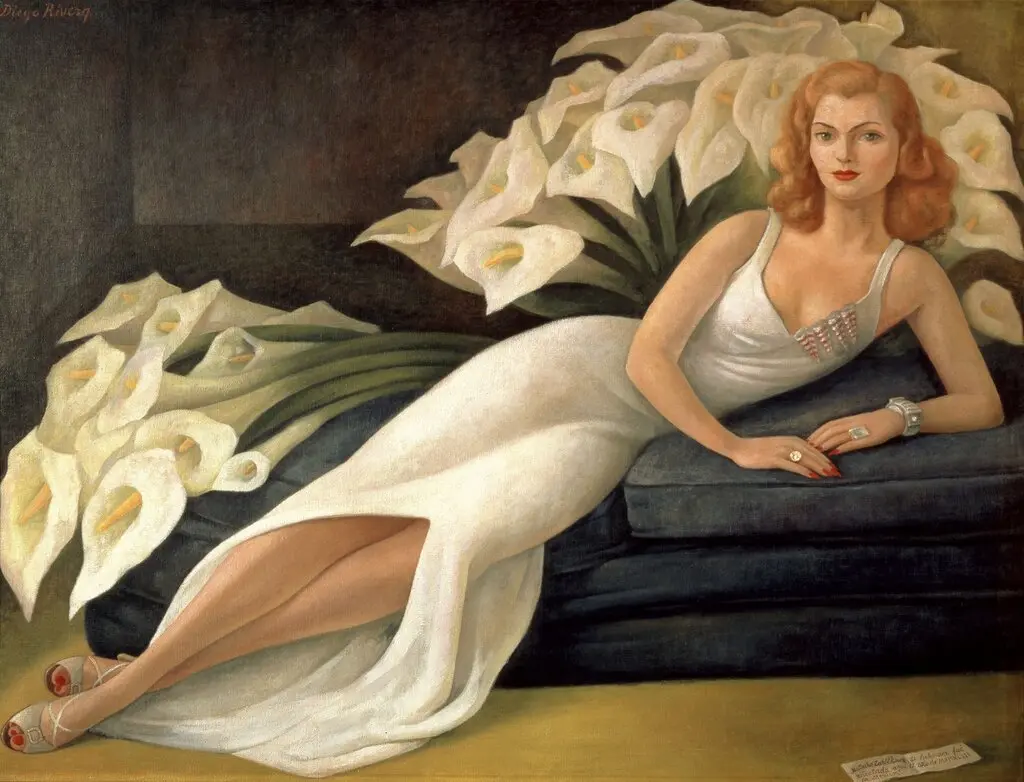
Oil portrait on canvas of Natasha Gelman by Diego Rivera in 1943. Diego Rivera and Frida Kahlo Museums Trust managed by the Bank of Mexico, Mexico City/Artists' Rights Society (ARS), New York; via Diego Rivera and Frida Kahlo Museums Trust managed by the Bank of Mexico, Mexico City/VEGAP.
The Gelman Collection, comprised of 160 pieces of 20th-century Mexican art, reflects the entire career of Frida Kahlo, with ten paintings, seven drawings, and one print, including iconic self-portraits such as Diego on My Mind , Self-Portrait with Necklace , and Self-Portrait with Monkeys . These are complemented by works by Rivera, Izquierdo, Tamayo, Clemente Orozco, Gerzso, Toledo, and Alfaro Siqueiros, as well as a select collection of Mexican photography featuring artists such as Guillermo Kahlo, Graciela Iturbide, and Manuel Álvarez Bravo.
The origins of this collection date back to the 1940s, when Jacques and Natasha Gelman began collecting modern Mexican art. Jacques, with a European background in film, arrived in Mexico in 1938 and, after boosting the local film industry with Cantinflas's career, dedicated resources and passion to art. The couple maintained close ties with figures such as Kahlo, Rivera, and Tamayo. After Jacques's death in 1986 and Natasha's in 1998, the American curator Robert R. Littman took over the administration of the collection, expanding it and organizing international exhibitions.
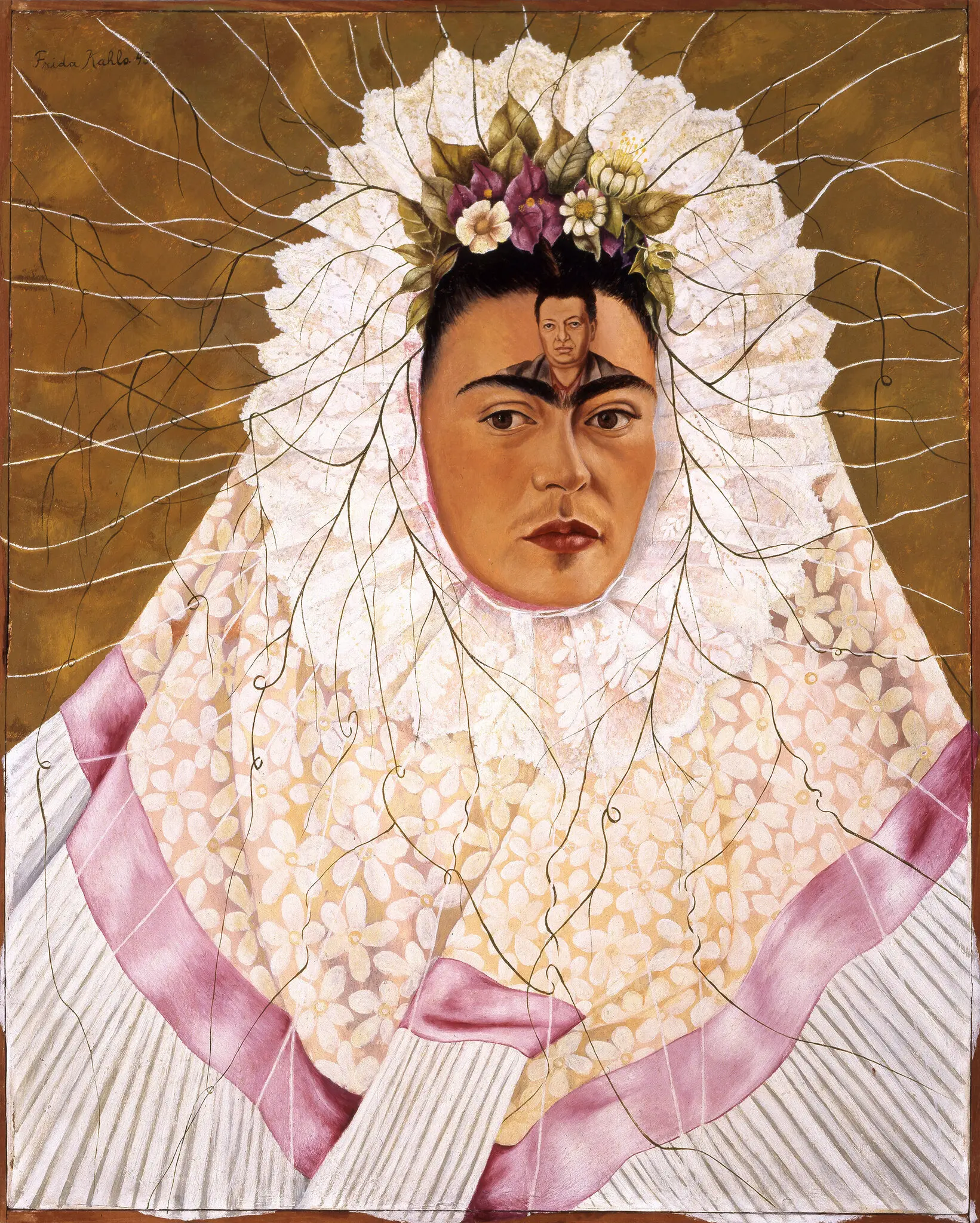
Diego in My Thoughts (1943), self-portrait by Kahlo from the Gelman Collection. Diego Rivera and Frida Kahlo Museums Trust managed by the Bank of Mexico, Mexico City/Artists' Rights Society (ARS), New York; via Diego Rivera and Frida Kahlo Museums Trust managed by the Bank of Mexico, Mexico City/VEGAP.
In 2023, the Zambrano family acquired the entire collection, which now belongs to the Banco Santander Foundation. Meanwhile, the debate continues: should a Mexican cultural treasure be transferred to a private entity abroad, however prestigious that institution may be? This episode highlights the tension between private collecting, international cultural management, and Mexico's artistic sovereignty. Beyond agreements and contracts, the lingering question is whether the dissemination of Mexican culture justifies the crossing of borders of some of its most emblematic artistic heritage.


You may be
interested
...