Exhibitions
Hilvanadas transforms thread into poetry and activism at the Cervantes Institute in Milan
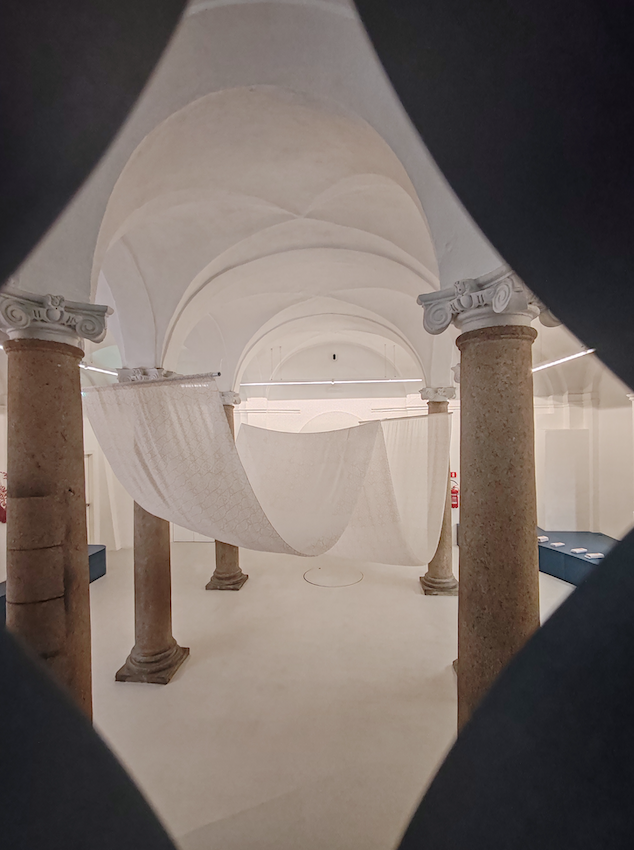
From March 19 to May 15, 2026, the spaces of the Cervantes Institute in Milan will be transformed into a stage where art and craft engage in a contemporary dialogue thanks to the group exhibition Hilvanadas. Poéticas textiles en el arte contemporáneo (Stitched. Textile Poetics in Contemporary Art ). Curated by Cristina Sanz Martín, the exhibition brings together five renowned Spanish artists—Carla Hayes (Málaga, 1997), Paloma de la Cruz (Málaga, 1991), Isabel Flores (Hornachos, 1989), Sonia Navarro (Puerto Lumbreras, 1975), and Irene Trapote (Gijón, 1998)—who, through thread, materials, and reinterpreted ancestral techniques, address themes of gender identity, memory, feminism, and multiculturalism.
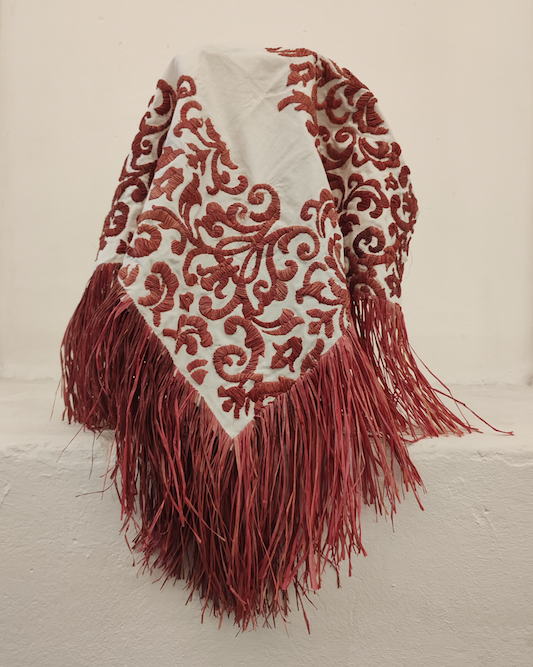
The exhibition arrives at a particularly significant moment: it coincides with the month dedicated to reflecting on women's rights and empowerment. The exhibition offers a critical and poetic reinterpretation of artistic practices that, throughout history, have been relegated to the margins of Fine Arts. Traditional techniques and artisanal knowledge—often underestimated due to their association with domesticity, manual labor, or femininity—become tools of resistance and social reflection. What was once perceived as mere daily work is transformed into an instrument capable of challenging hierarchies, opening dialogues, and revealing silenced histories.
Through a visual language that combines threads, fabrics, embroidery, and mixed media, the artists construct universes where cultural memory intertwines with lived spaces, and where gender identity, feminism, and critiques of patriarchal systems emerge powerfully. Culture ceases to appear as a static and closed entity; it reveals itself as a terrain of constant tension, a battleground where memories, knowledge, and unequal power converge, and where creativity becomes an act of subversion and emancipation.
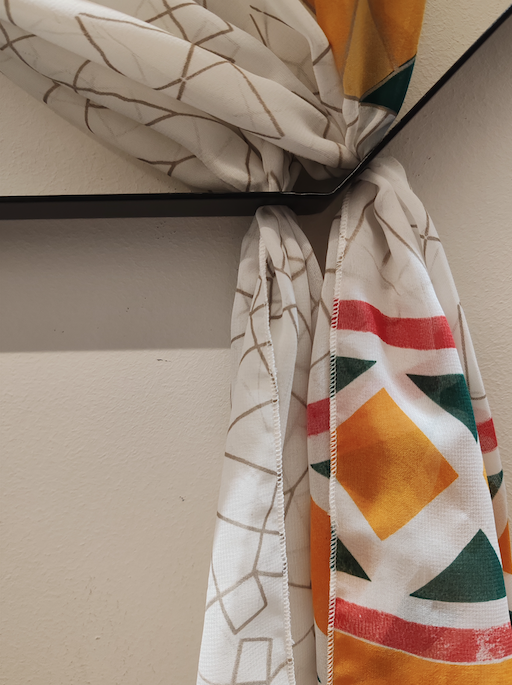
Each work in Hilvanadas invites the viewer to pause, to engage in a visual dialogue, to contemplate the delicacy of the threads and the strength of the gestures, and to recognize in craftsmanship a vehicle for political reflection, the celebration of diversity, and social transformation. In this dialogue between tradition and contemporaneity, the intimate and the collective, the exhibition transforms the everyday into visual poetry and critical thought, weaving together stories of resistance, belonging, and cultural identity.
Hilvanadas thus proposes a journey where the poetic and the artisanal intertwine, and where each piece invites us to rethink the boundaries between art, craft, and social activism. Visitors can expect works that combine ancestral techniques with contemporary languages, where the threads act as narrators of stories of women, migration, resilience, and cultural hybridization.
You may be
interested
...