Exhibitions
Reflections of clay and time: Picasso and Barceló converse in Cádiz
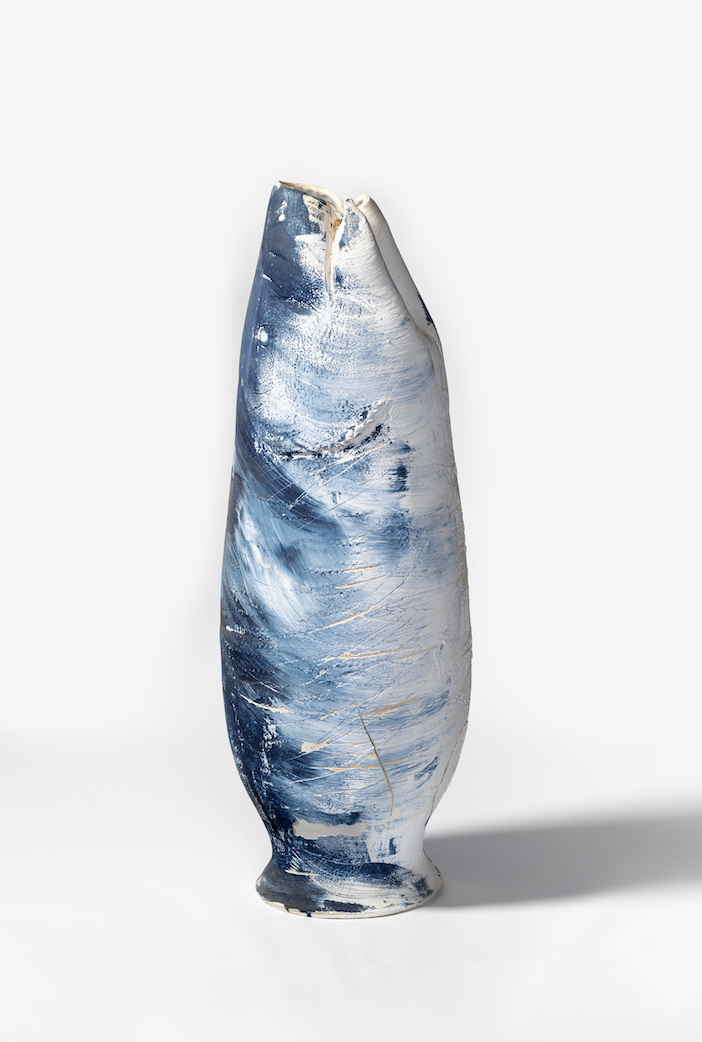
The exhibition Reflections. Picasso x Barceló , on view from March 26 to June 28, 2026 at the Museum of Cádiz, is presented as an exercise in dialogue between eras, techniques, and artistic sensibilities. More than a simple juxtaposition of works, the exhibition articulates an encounter between Pablo Picasso and Miquel Barceló through ceramics, a medium that, far from being relegated to mere craftsmanship, reveals itself here as fertile ground for aesthetic experimentation and historical reflection.
The project, which had already garnered considerable acclaim at the Almería Museum, continues its tour of western Andalusia after its initial run in this Mediterranean city. Cádiz, with its status as an Atlantic enclave and crossroads of civilizations, serves not only as a venue but also as a conceptual framework that amplifies the interpretation of the works. In this context, the sea—present both in the artists' biographies and in the region's material history—emerges as a common thread of cultural resonance.
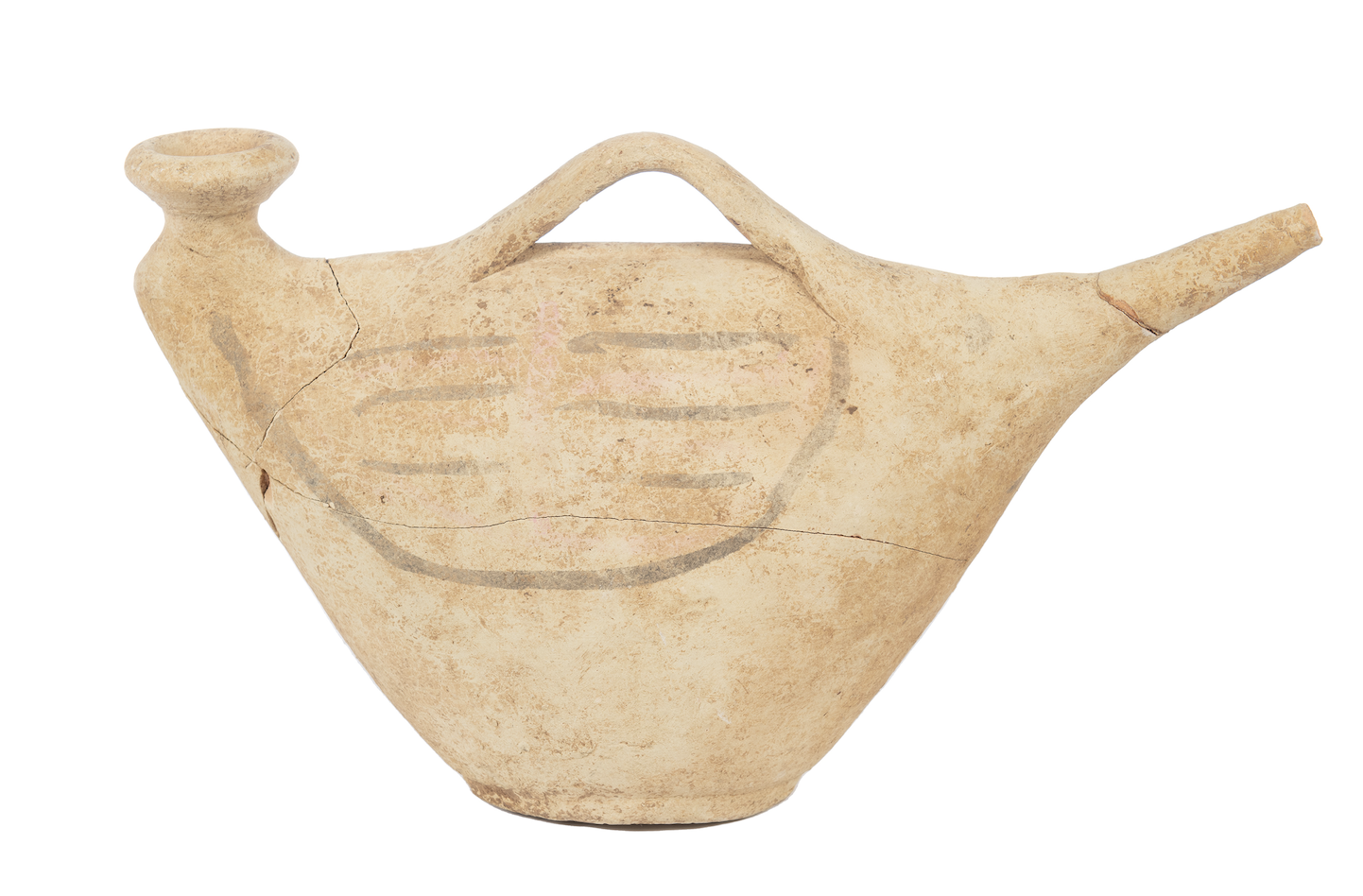
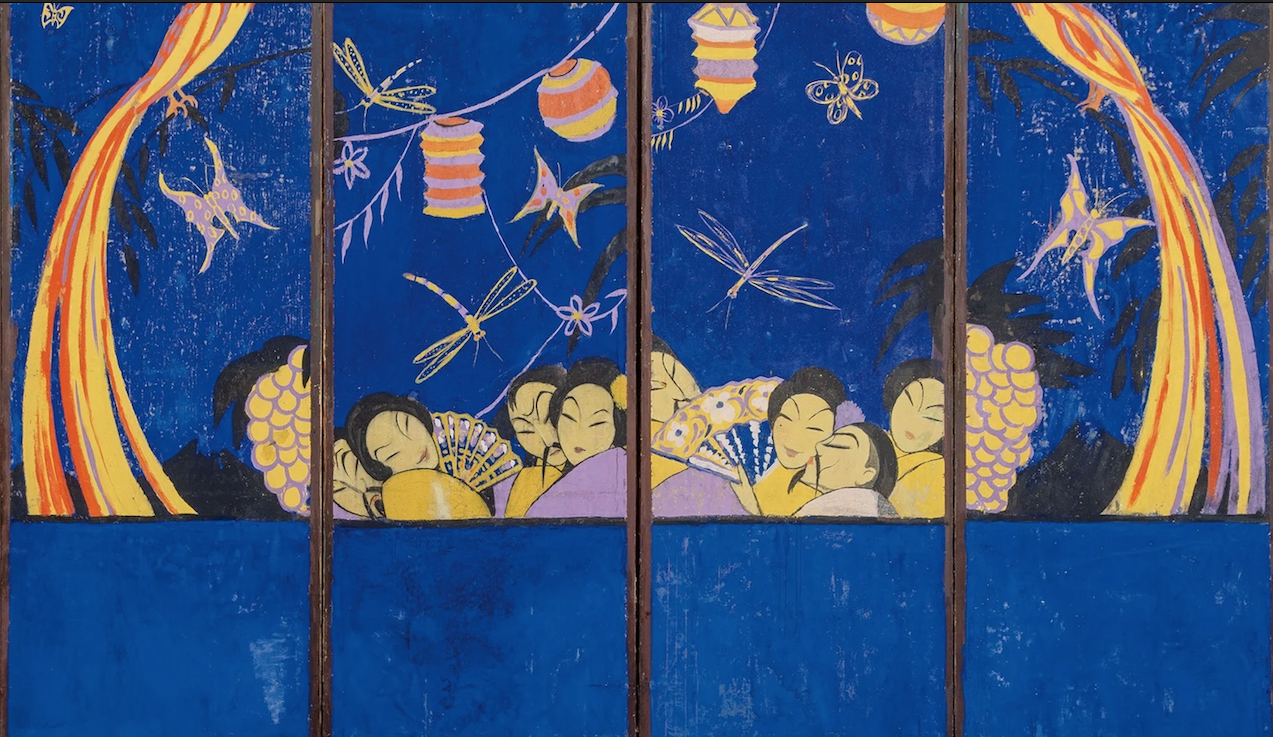
Zoomorphic vessel, Puerta de Tierra, Cádiz, 2nd century BC
The exhibition brings together more than one hundred pieces, including works by both artists alongside archaeological artifacts from the participating museums. This material coexistence establishes a network of correspondences that transcends chronology: Neolithic vessels, Phoenician and Roman amphorae, Islamic ceramics, and contemporary works share space, offering a cross-disciplinary interpretation of the act of shaping clay. Ceramics is thus presented as a continuous language, capable of articulating memory, transformation, and permanence.
At this intersection, Barceló's figure appears intertwined with Picasso's fertile shadow. This is not a direct or mimetic influence, but rather an affinity in attitude: both artists share an experimental drive, a constant reinvention rooted in tradition, and an openness to the art of other eras. The exhibition underscores this echo through formal and thematic associations, where fragmentation, recomposition, and the representation of the human and the animal acquire new layers of meaning.
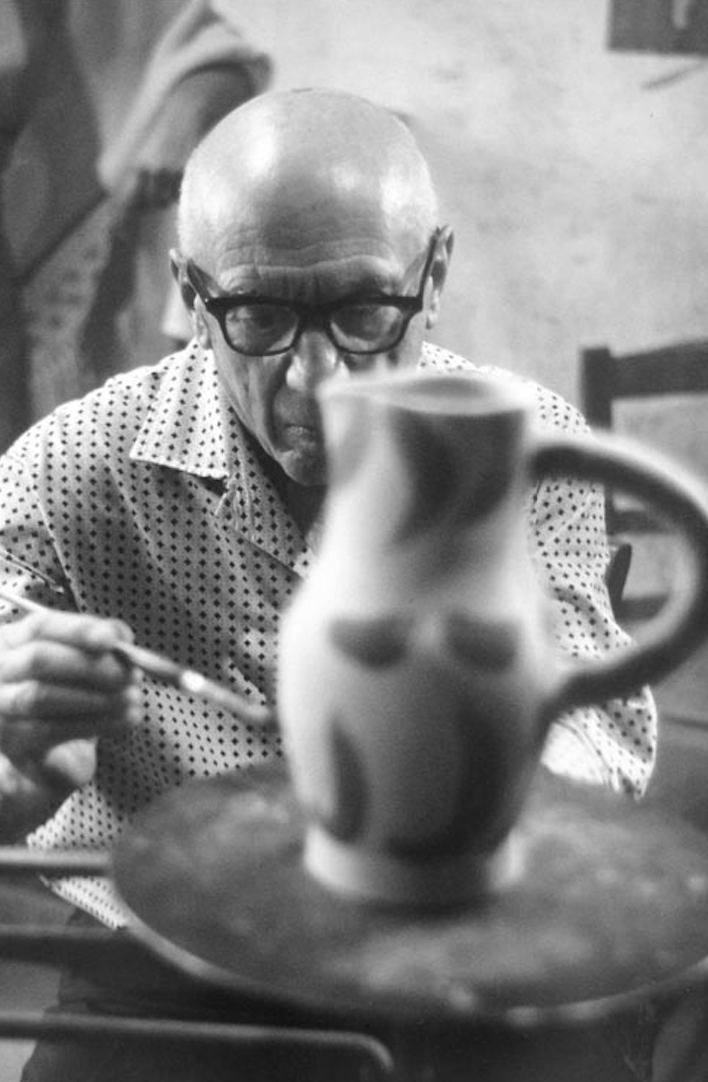
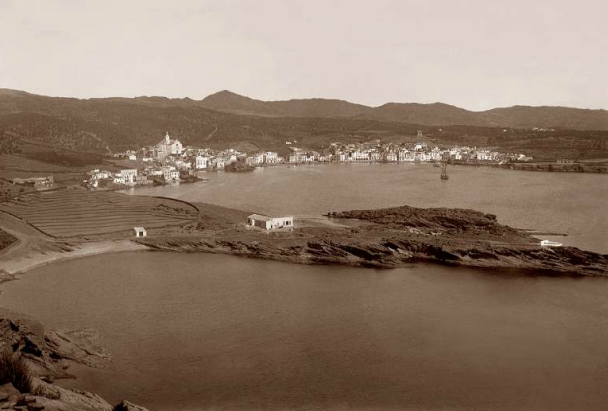
© Roberto Otero Collection. Picasso Museum Málaga, 2026, © Pablo Picasso Succession, VEGAP, Madrid, 2026
The exhibition design reinforces this interpretation by placing contemporary works in direct dialogue with archaeological contexts. In this way, the visitor does not follow a linear narrative, but rather a field of tensions where past and present challenge one another. Fire, an essential element in ceramics, becomes a metaphor for transformation, while the inherent fragility of the material suggests a silent resistance to the passage of time.
The initiative's previous trajectory—which began in Granada with a dialogue between Picasso and Jeff Koons—allows us to understand this proposal as part of a broader curatorial program that seeks to activate Picasso's work through unexpected encounters. On this occasion, the collaboration with Barceló, the Picasso Museum Málaga, and the Almine and Bernard Ruiz-Picasso Foundation lends a particularly organic dimension to the project, further strengthened by the sponsorship of the Unicaja Foundation and the institutional support of Andalusia.
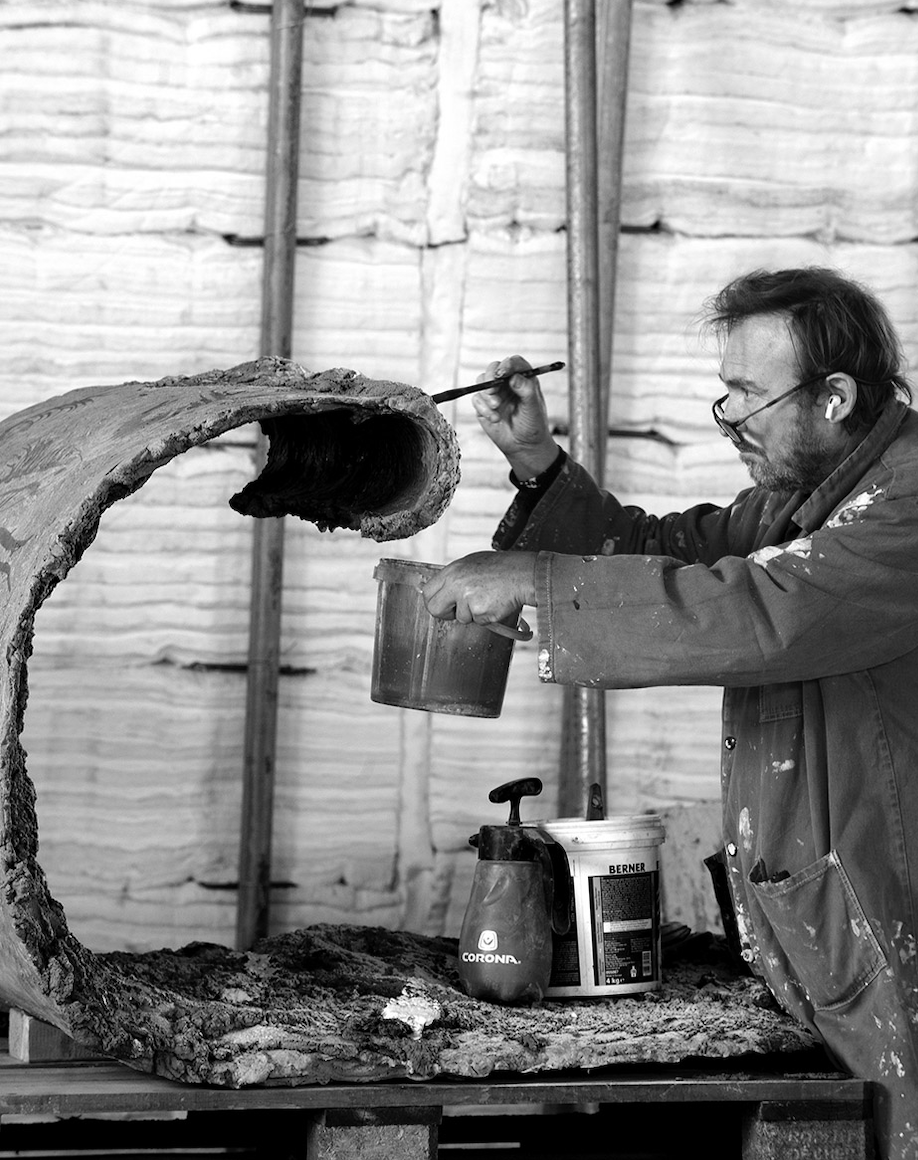
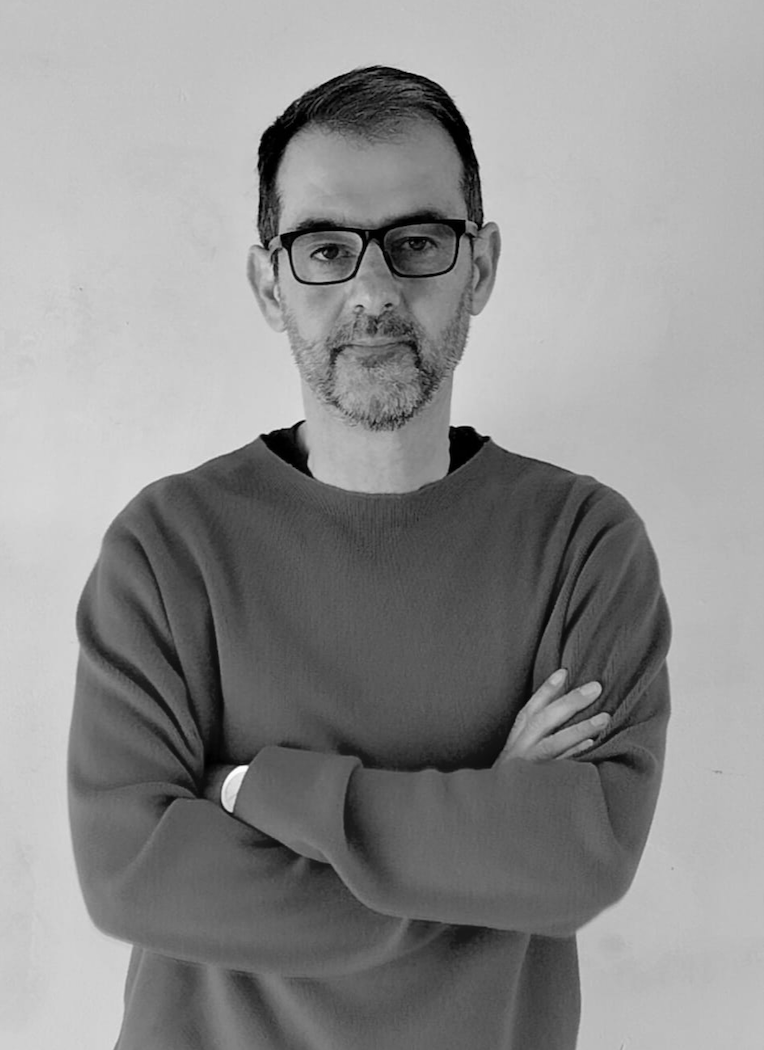
Miquel Barceló in the workshop, Miquel Barceló, studio in Vilafranca de Bonany, Mallorca, February 2023, © Jean Marie del Moral.
The exhibition's location within the Museum of Cádiz adds another layer of interpretation. Founded in 1935 and situated in Plaza de Mina, the museum is a key space for understanding the city's cultural identity. Its collections—ranging from Phoenician sarcophagi to Baroque paintings by Francisco de Zurbarán and Bartolomé Esteban Murillo—form a narrative where the history of art intertwines with the social and symbolic history of the region. Within this framework, the exhibition does not impose itself on the museum but rather integrates into its narrative, forging new connections between the permanent collection and the visiting works.


You may be
interested
...