
interviews
“We must embrace rurality and take advantage of the advantages of the periphery”: Jaume Vidal opens a new stage at Lo Pati
The new director, Jaume Vidal, plans to consolidate the Amposta art center as a cultural node between Mediterranean territories, with a program that will bring together around seventy artists and strengthen mediation, research and community projects in Terres de l'Ebre.
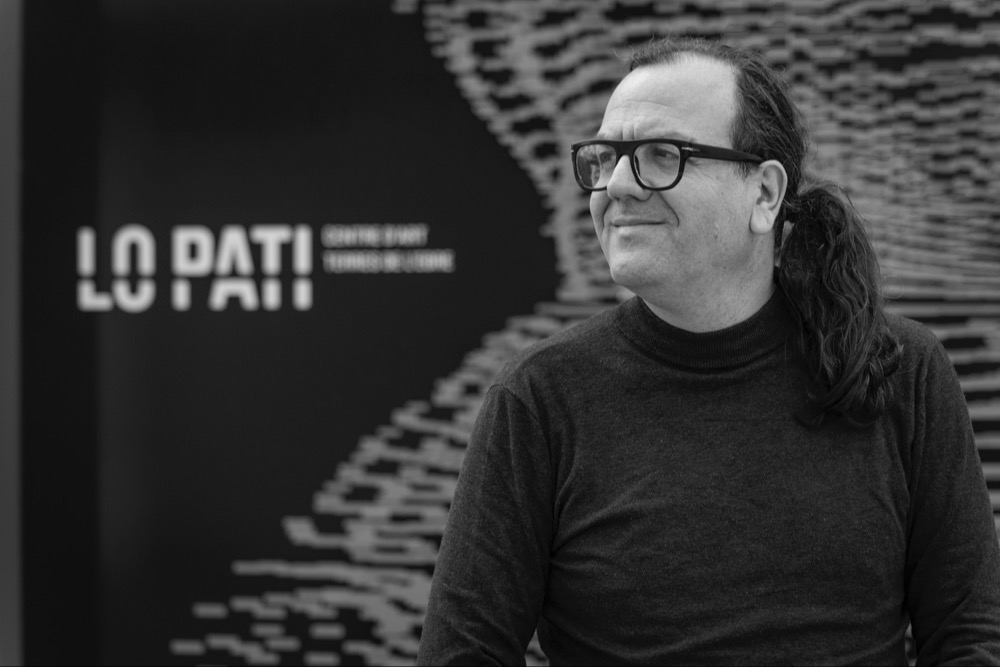
Lo Pati – Centre d'Art de les Terres de l'Ebre, located in Amposta, orients its 2026 programming towards an open look at the Mediterranean, understood not only as a geographical space but as a shared territory of cultural circulation, crossed histories and new forms of artistic imagination. The center thus proposes a reflection on the mare nostrum as a generator of hybrid stories, mobilities and social transformations that continue to redefine contemporary culture.
The new program responds to the axes promoted by the new director of the center, Jaume Vidal, in collaboration with the Lo Pati team. His proposal places the Mediterranean as a conceptual framework from which to think about current artistic practices, putting artists, communities and territories that share this cultural basin into dialogue.
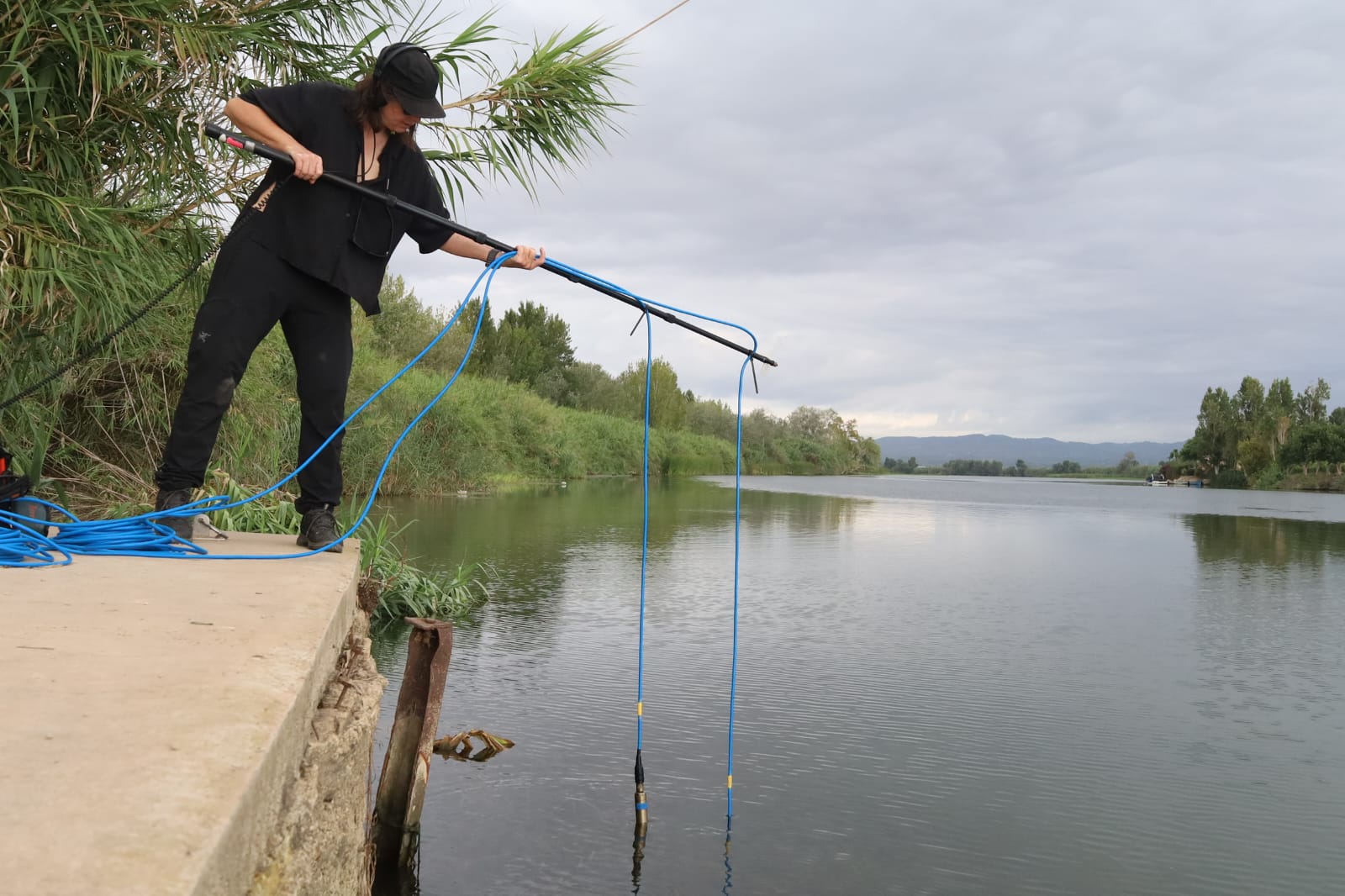
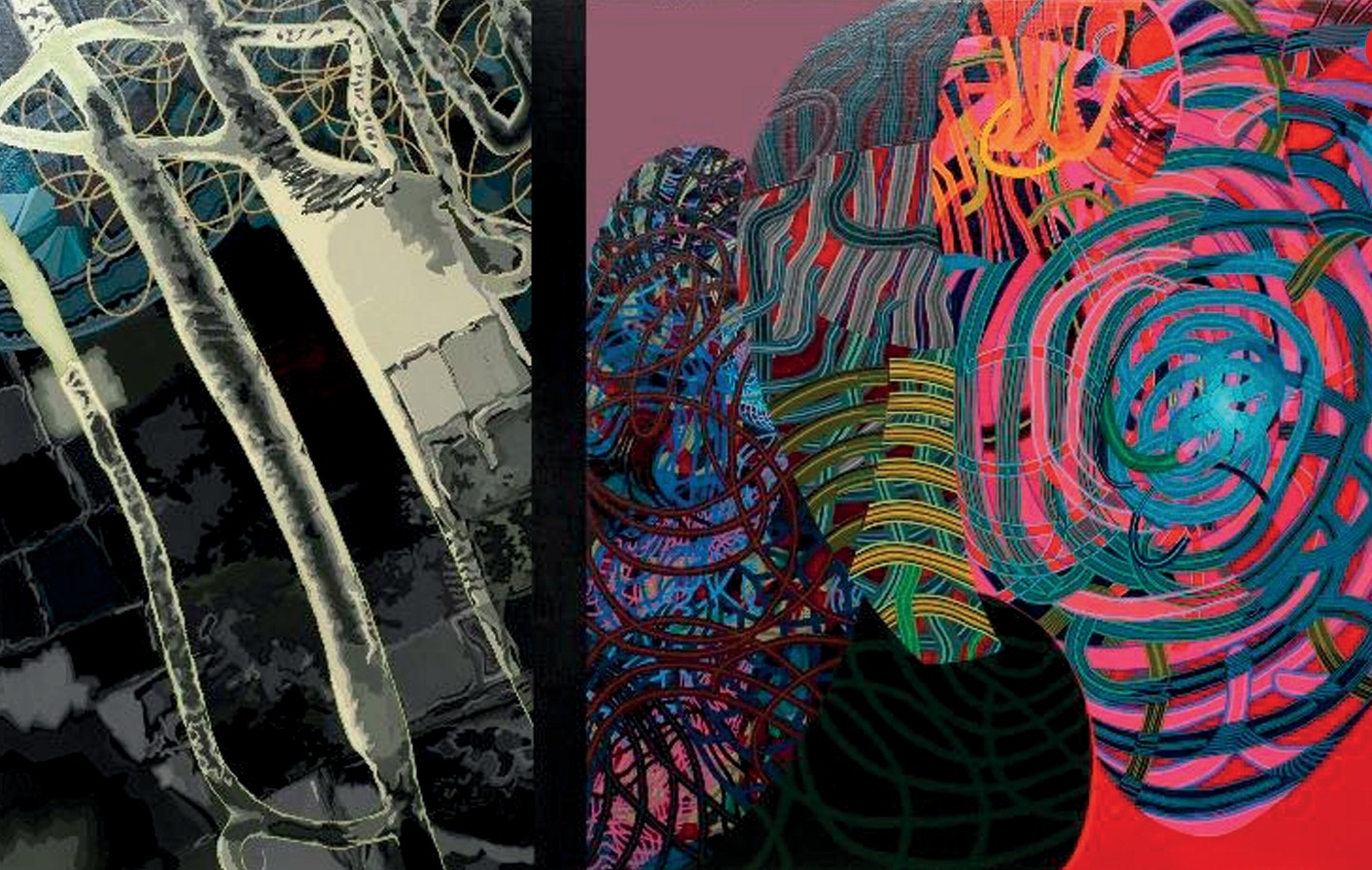
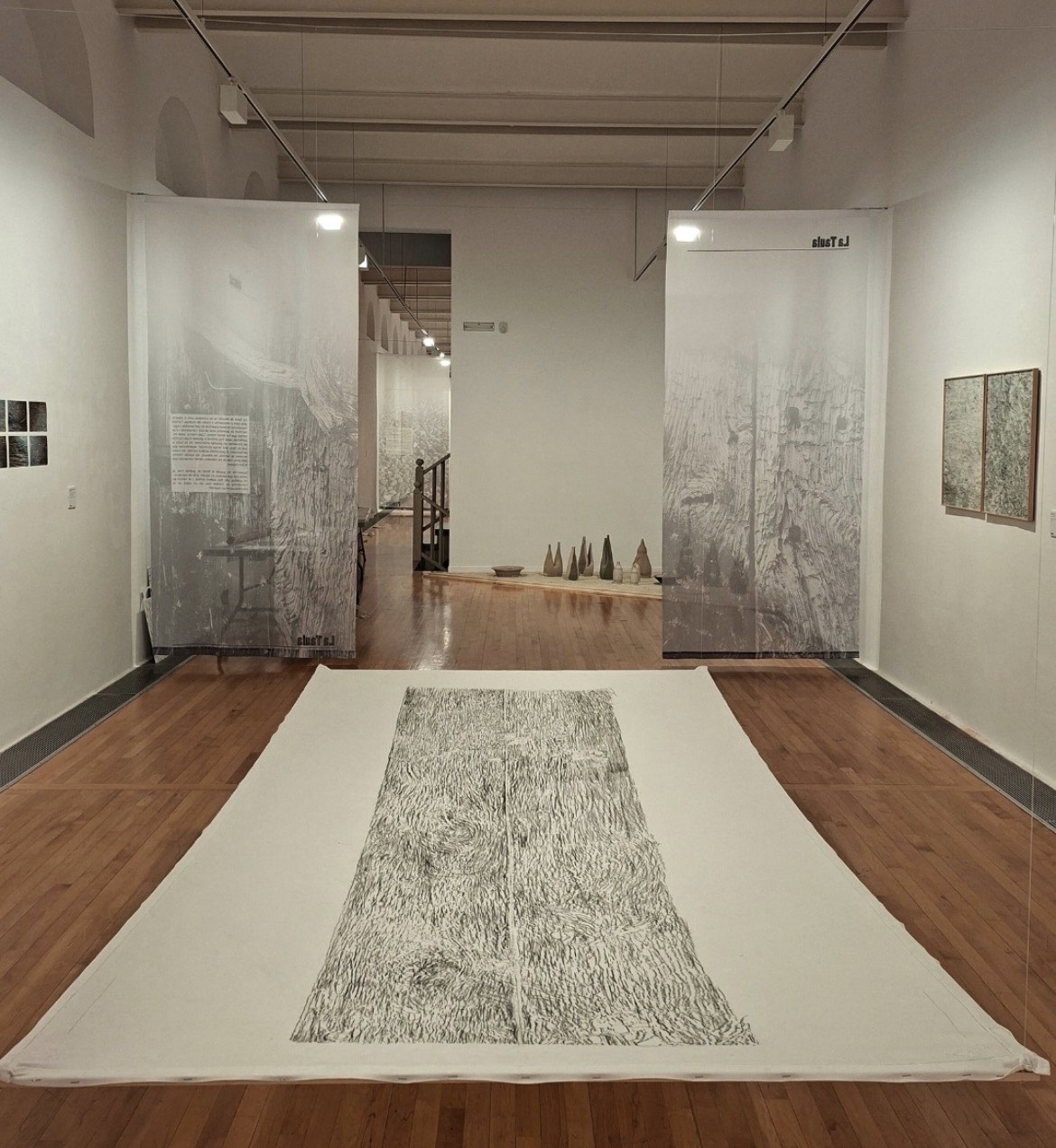
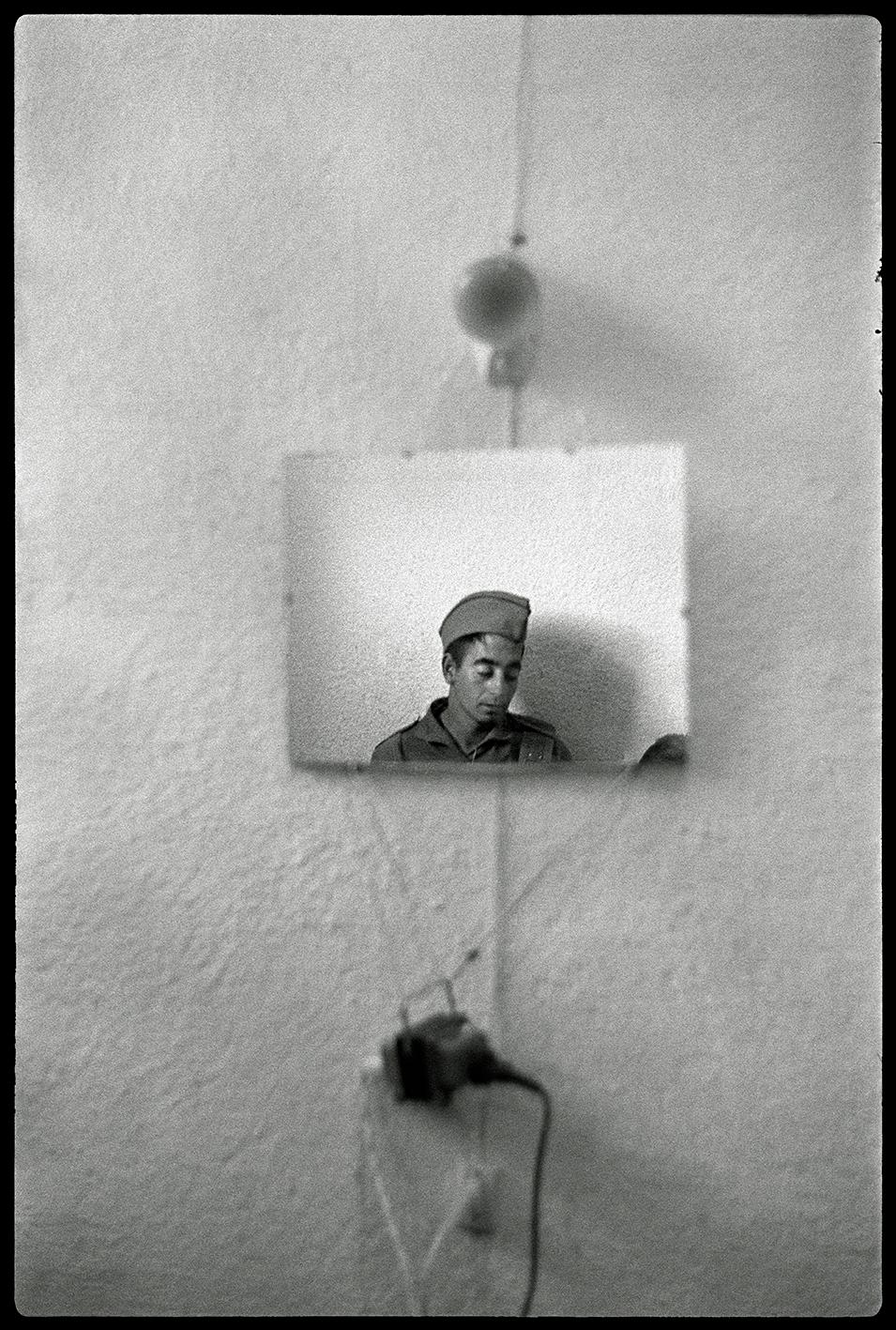
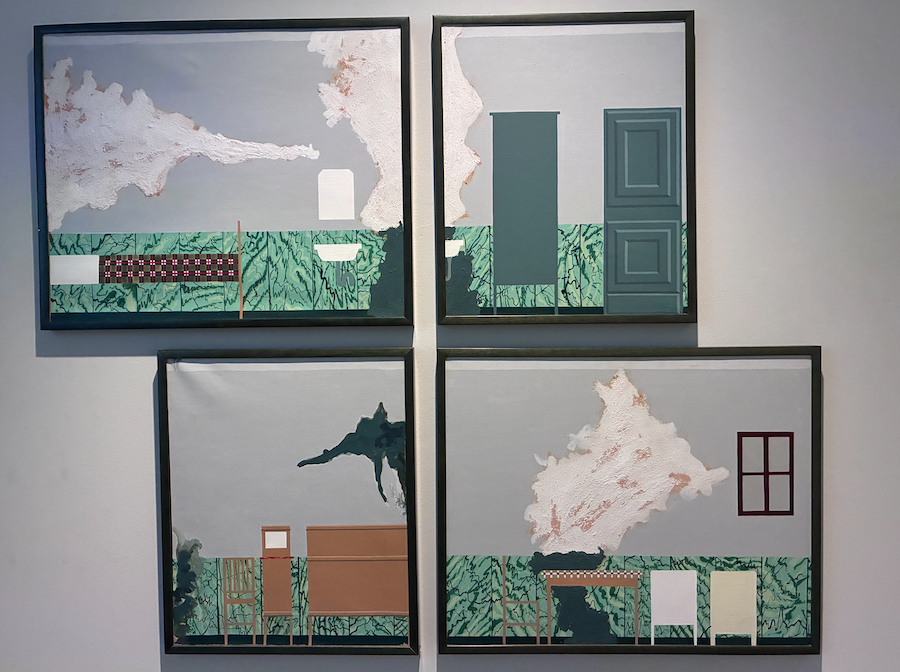
Throughout the year, the center will deploy a program that will bring together nearly seventy artists, consolidating Lo Pati as a key space for exhibition, research and artistic production in Terres de l'Ebre. Exhibitions, installations, community actions, concerts and festivals will configure a diverse calendar that reinforces the center's role as a platform for contemporary creation rooted in the territory but connected to international cultural dynamics.
Interview with Jaume Vidal: New stage at Lo Pati - Terres de l'Ebre Art Center
What changes do you want to make compared to the previous stage?
I could not have more respect for the work done by the three people who preceded me in the management. I deeply value each of their actions at the helm of Lo Pati. In fact, in the coming years there is very little that I would like to amend: my desire is to give continuity to the already established projects, while trying to provide them with more de-hierarchical and open structures.
What are the main strategic priorities of your project?
To revitalize an art center in Terres de l'Ebre, the context cannot be ignored. It is necessary to embrace rurality and understand the potential of the periphery. My interest —and I hope that our audiences' as well— is to make a shift from the Eurocentric focus that often dominates contemporary artistic practices and open our eyes to a rediscovery of the cultures that have shaped us historically. Many of these cultures have their origin in processes of shared mobility and exchange within the Mediterranean.
Looking ahead to the next three or four years, what is your vision for the center?
Lo Pati has built its own idiosyncrasy over the years thanks to projects very much located in the territory. Our goal is to consolidate this identity and, at the same time, convert the center into a connection node between artists, cultural agents and projects from different regions of the Mediterranean.
What type of programming do you especially want to promote?
There is a clear effort to make visible all those actions that take place in an art center and that go beyond strictly exhibition practices. I am talking about mediation, training, research, work processes, publications —both informative and academic— or artistic residencies. All these dimensions form an essential part of the life of the center.
Do you plan to maintain fixed lines or cycles such as residencies, festivals or educational projects?
Yes, the already established projects will continue to be a fundamental part of Lo Pati. Among these are mónFILMAT, L'Aula a Lo Pati, Feme in Arts, Els Ports, Natura i Arts, BIAM and, if I may also mention it, the Eufònic festival.
This year, we are also very pleased to see the good reception that Lo Safareig is having, a continuous program between artistic mediation and training. The name already gives clues to its spirit: the laundry room is a space for horizontal transmission of knowledge, productive but also playful, voluntary and collaborative.
Do you want to give more visibility to established or emerging artists?
It's a provocative question—we could set the interview on fire by talking about whether established artists have ever stopped being emerging in a context where improvements such as cultural VAT are often called for but the answers are few. But I understand the intention of the question. In Terres de l'Ebre, the platforms for artistic dissemination are limited: there are few exhibition spaces, very little art criticism and few support structures. Faced with this reality, Lo Pati must take into account all kinds of artistic manifestations, regardless of the artists' careers.
What is your strategy for attracting new audiences?
The population of Terres de l'Ebre has changed a lot in recent decades. Approximately 35% of the population has a migratory background: ex-pats, refugees or people in transit. If the stories we propose do not address this reality, and if their experiences are not part of our programming, we are missing a clear opportunity to reach new audiences.
What mediation and cultural education actions do you consider essential to achieve this?
We must keep in mind that we cannot take anything for granted. We cannot assume that all the people who visit the center or receive our information have the same prior knowledge. As a teacher, I strongly believe in the idea of pedagogical transposition: knowledge must always be available and accessible. If we use an inadequate register, we will only increase the distance with the public. In projects like Lo Safareig this becomes especially evident.
How do you plan to manage the center's limited resources?
The first thing is to understand what type of center we are, what team we have and what resources we work with. From there, it's a matter of adapting the project to this reality and acting coherently.
What risks do you think could mark this new stage?
We live in a complex context: war, the rise of the far right, climate change, cultural VAT, the precariousness of the creative sector, the difficulty of accessing housing, extractivism or the fragility of the Ebro Delta. Many of these risks we cannot control directly, but we can address their impact through cultural work and the projects we propose.
You may be
interested
...