
Exhibitions
The Reina Sofía Museum reinvents its collection from 1975 to the present day
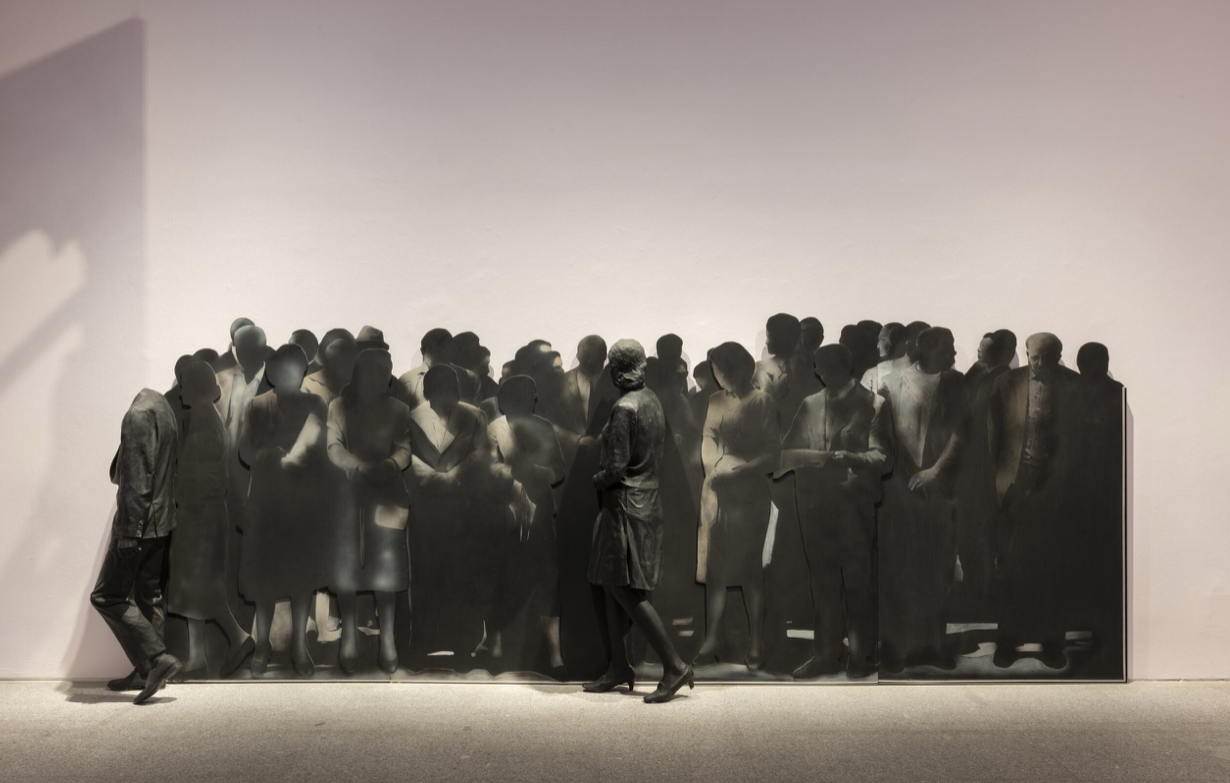
Manuel Segade has inaugurated an ambitious exhibition on the fourth floor of the Reina Sofía Museum – Sabatini Building, spanning over 3,000 square meters and offering a comprehensive overview of contemporary art from 1975 to the present. This project, initiated in 2023, has involved all departments of the museum and will run until 2028, at which point the three upper floors of the Sabatini Building will permanently house a new, comprehensive narrative of the collection.
Under the title Contemporary Art: 1975-Present , the exhibition brings together 403 works by 224 artists and is the first of three interventions that will reconfigure the museum's vision of contemporary art. The exhibition begins in 1975 with Document No.… by Juan Genovés, an emblematic figure of the Spanish Transition. Alongside it is the cover of Hermano Lobo, created by Chumy Chúmez after Franco's death, featuring a similarly blinded figure proclaiming: “The future!”
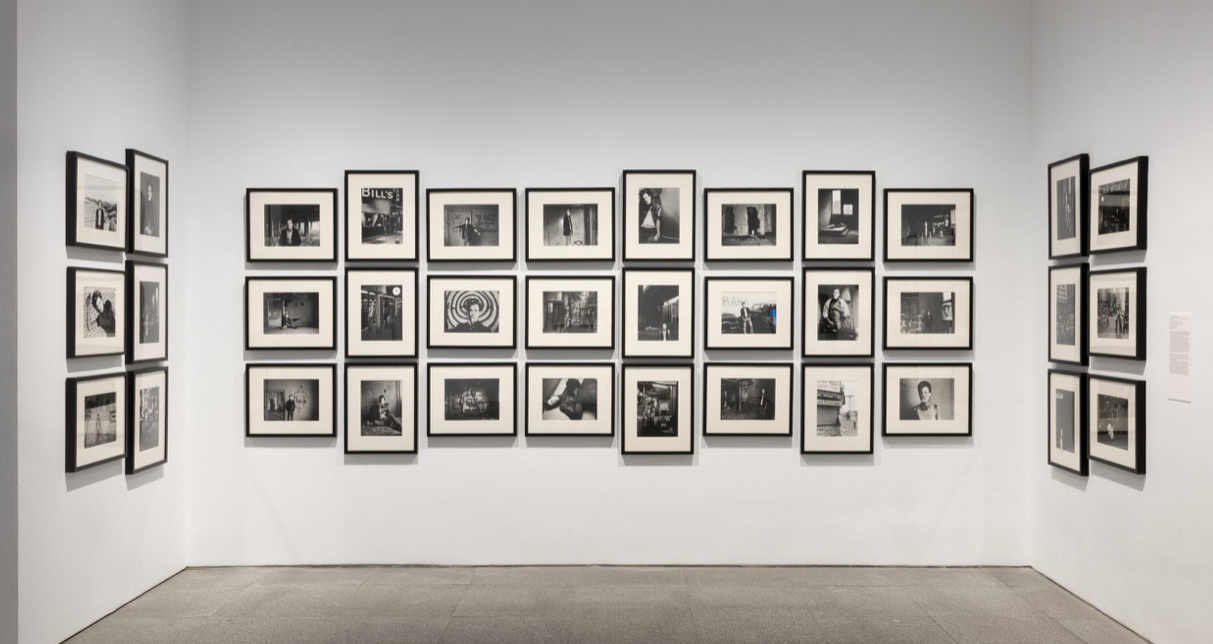
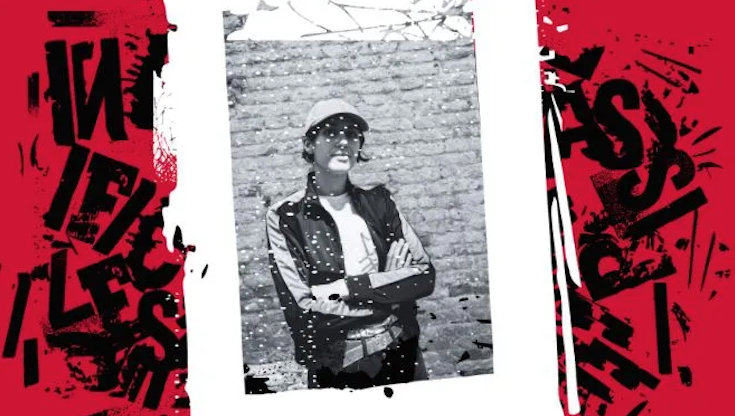
David Wojnarowicz, Arthur Rimbaud in New York Series, 1978-1979 / Posthumous copy, 2004. Reina Sofía Museum. Photograph: Roberto Ruiz. © David Wojnarowicz Estate, courtesy PPOW Gallery, New York and The Estate of David Wojnarowicz.
Far from following a linear chronology, the new arrangement is structured into 21 chapters and three itineraries that constantly return to the 1970s, with the purpose of “telling the same story in a different way,” according to Segade. The director emphasizes that the exhibition seeks to avoid a “single, closed narrative” and instead aims to open up the story to share it with the public and multiply possible interpretations.
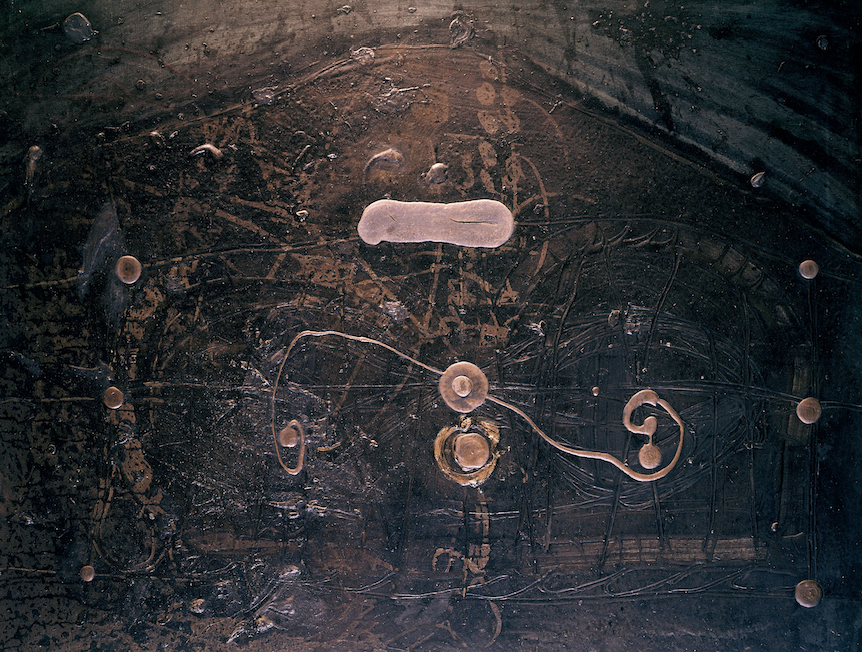
The exhibition brings together iconic works from the Reina Sofía Museum's collections and by renowned artists such as Pablo Picasso, Joan Miró, Salvador Dalí, Juan Genovés, Juan Muñoz, Cristina Iglesias, Susana Solano, Juan Navarro Baldeweg, Esther Ferrer, Cristina García Rodero, Richard Serra, and Andy Warhol. It also includes figures closely linked to the Spanish Transition and the Movida Madrileña, such as Guillermo Pérez Villalta, Ocaña, Ouka Leele, Ceesepe, Nazario, Iván Zulueta, and Alberto García-Alix, as well as artists engaged with gender issues and feminism, including Judy Chicago, Barbara Hammer, Eulàlia Grau, David Wojnarowicz, Pilar Albarracín, and Cabello/Carceller. Also highlighted are creators who have addressed the cultural, political and social representation of AIDS, such as Pepe Espaliú and Pepe Miralles, and artists who question representation from political and theoretical perspectives, such as Joan Fontcuberta or Dora García, as well as those who explore Afro identity, such as Pocho Guimaraes, Agnes Essonti or Rubén H. Bermúdez.
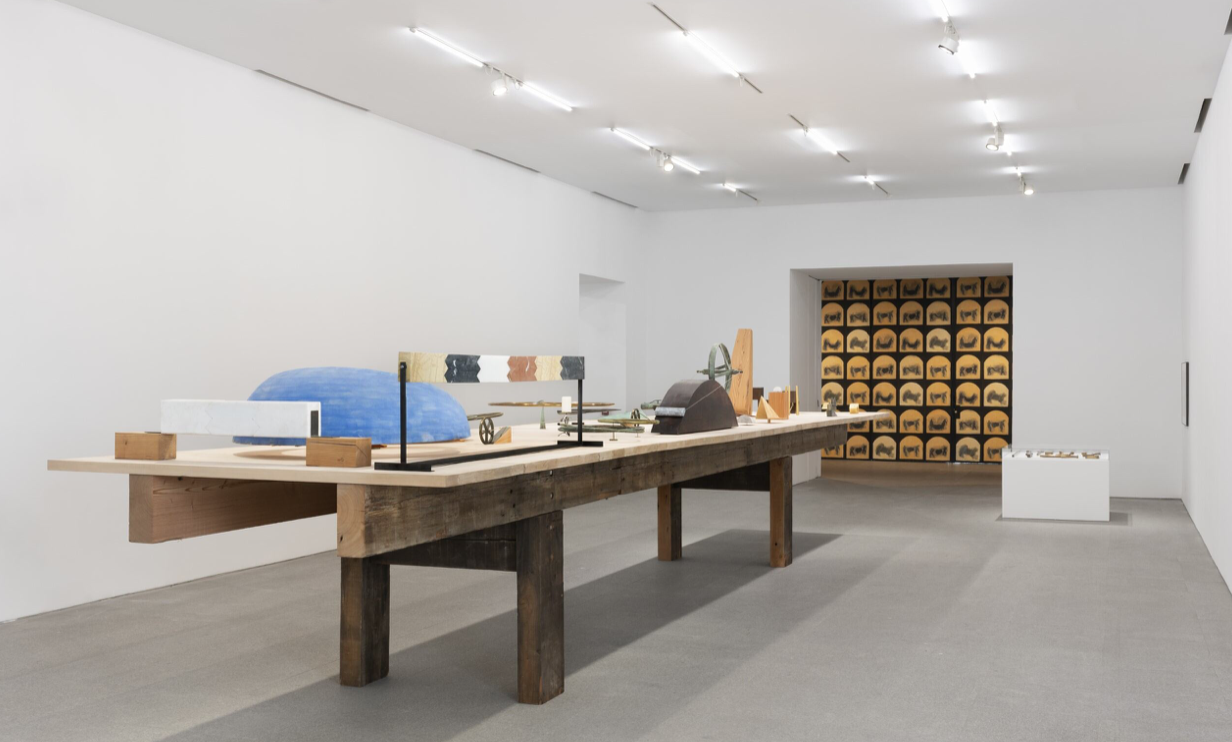
View of Room 11 “Sculptural Structuralism in the Seventies.” In the foreground: Juan Navarro Baldeweg, The Table, 1974–2005. Reina Sofía Museum. Photograph: Roberto Ruiz. © Juan Navarro Baldeweg, VEGAP, Madrid, 2026.
The exhibition pays particular attention to the Spanish art scene: 77% of the artists on display (137) are Spanish. Among the international artists, 31% are of Latin American origin, including names such as Leonilson and Beatriz González. The show also incorporates recent acquisitions and works by emerging artists, many of them women, who have made significant strides in the contemporary Spanish art world, such as Laia Abril, Mònica Planes, June Crespo, Teresa Solar, Elena Alonso, Sahatsa Jauregi, and Nora Aurrekoetxea.
The exhibition design, by Xabier Salaberria and Patxi Eguiluz, breaks with the traditional "white cube": the artworks are placed in the center of the galleries, and the routes and viewpoints are modified to offer new perspectives. Deputy artistic director Amanda de la Garza has championed a "more educational" narrative, conceived as an introduction to contemporary art for diverse audiences. The exhibition also incorporates sustainability measures, with paper labels instead of vinyl and LED lighting.
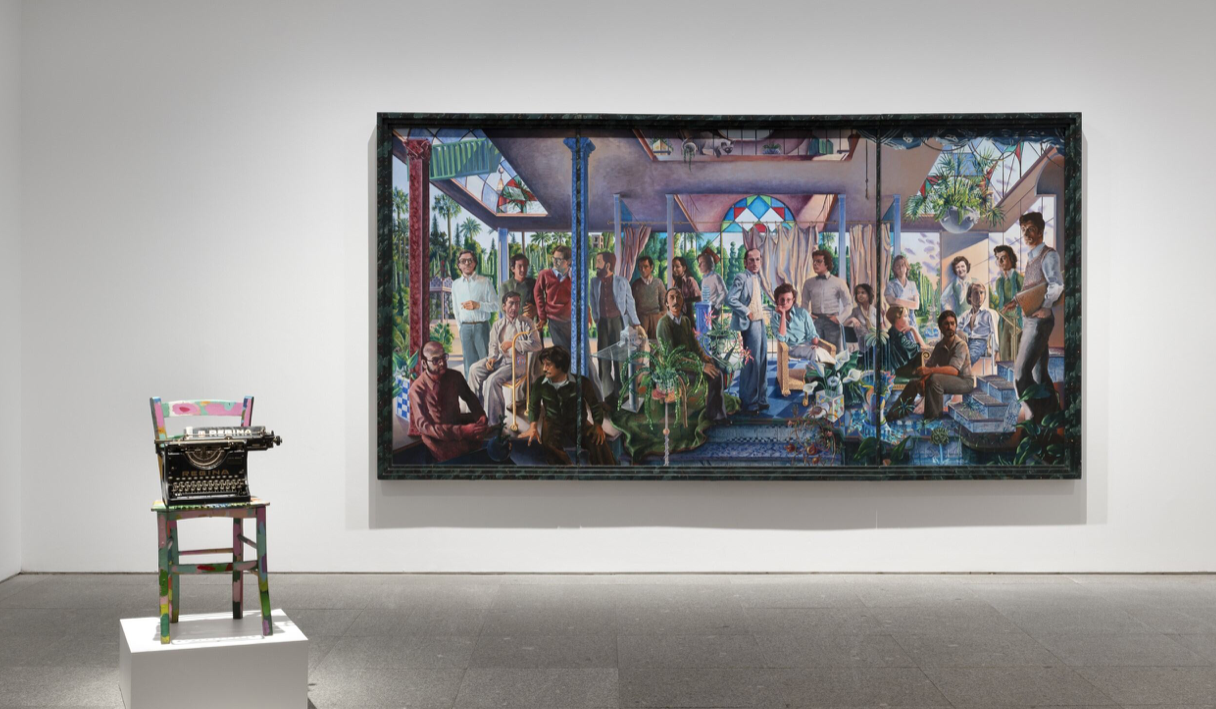
View of Room 17 “One More Painting.” Guillermo Pérez Villalta, Group of People in an Atrium or Allegory of Art and Life or of the Present and the Future, 1975-1976. Reina Sofía Museum. © Guillermo Pérez Villalta, VEGAP, Madrid, 2026 / Manolo Quejido, Chair and Typewriter (Typewriter Sitting in a Chair), 1978-1979. Reina Sofía Museum. © Manolo Quejido, VEGAP, Madrid, 2026. Photograph: Roberto Ruiz.
According to Segade, the current arrangement will remain in place for at least three years – “it has been a long and difficult process” – although other pieces from the collection will be interspersed. “When a work is acquired, it must be fundamental to the artist's repertoire; it must still be relevant forty years from now. We must consider the pieces as independent entities,” he stated.
The reorganization will continue in 2027 with a review of the 1950-1970 period and will culminate in 2028 with the floor dedicated to the avant-garde. With this approach, the museum has decided to rewrite its collection from the present, with the promise of maintaining an open and constantly evolving narrative.
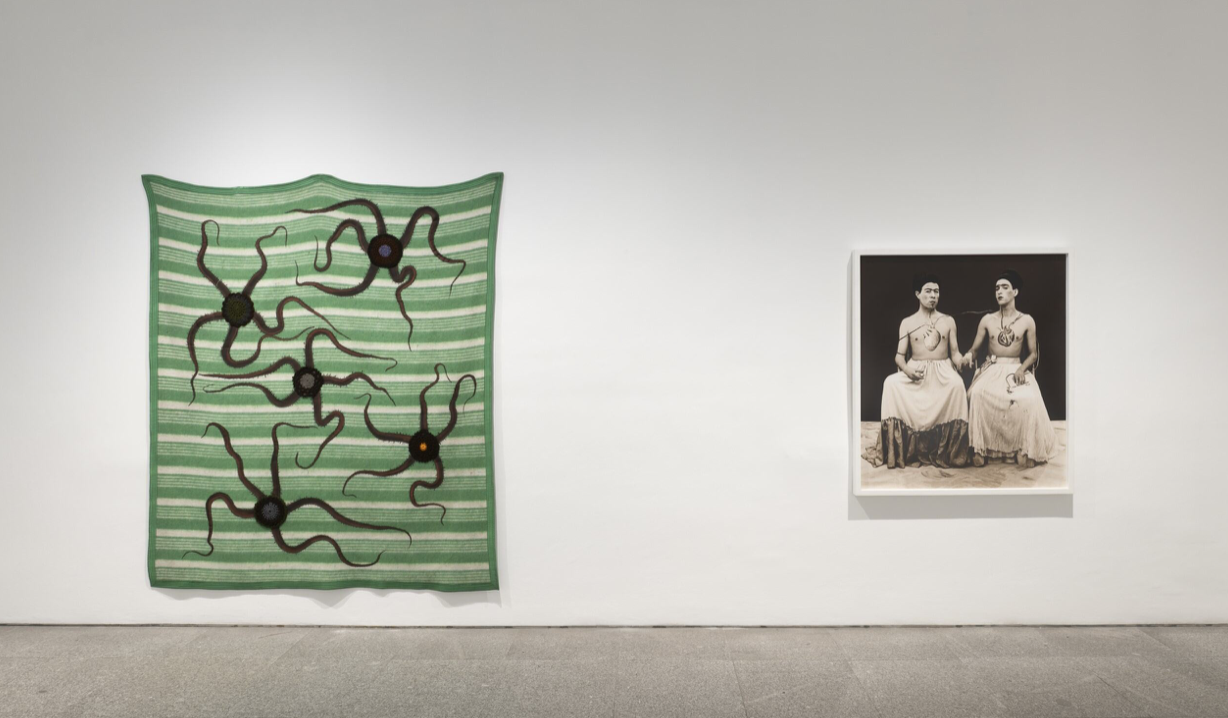
View of Room 7 “Pandemic and Language.” Left: Félix Centurión, Medusas, 1994. Permanent loan of the Reina Sofía Museum Foundation, 2020 (Donation of Patricia Phelps de Cisneros in honor of Gustavo Bruzzone). Right: Mares of the Apocalypse, The Two Fridas, 1989/2015. Permanent loan of the Reina Sofía Museum Foundation, 2015 (acquired with funds donated by Juan Carlos Verme). Photograph: Roberto Ruiz.


You may be
interested
...