Exhibitions
Hotel of the plundered artifact: memory, diaspora and new voices at the MNA with Agnes Essonti

Hotel of the Plundered Artifact , the new exhibition by Agnes Essonti, transforms Madrid's National Museum of Anthropology into a space of memory and dialogue. Running until May 24, as part of the special program for the MNA's 150th anniversary, Essonti weaves a connection between past and present, between the seen and the imagined, using performance, photography, and textile art as threads that unravel African memory.
Her work invites us to explore the museum's objects and collections with a fresh perspective, creating unexpected connections and possible universes that respond to the questions that haunt her as a woman and of African descent. In this encounter, the plundered history is given new meaning, and the artifacts find their voice to engage with our imagination and awaken new ways of understanding who we are and who we were.
The exhibition unfolds across three rooms that invite visitors on a journey through the African diaspora, postcolonial memory, and the construction of Afro-descendant identities.
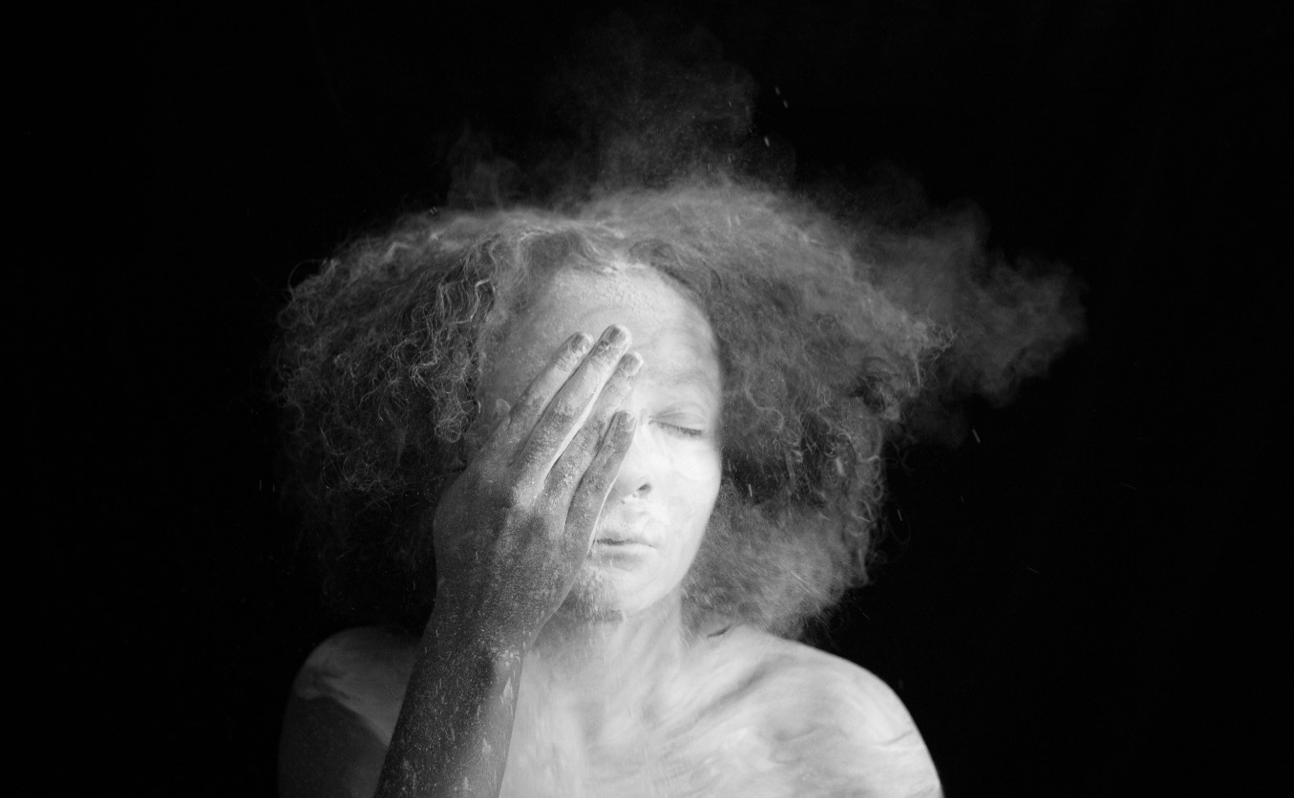
La Blanche. Photograph by Agnes Essonti.
The first room, Thresholds, Signs, and Speculative Exits , greets visitors with a doormat that reads: "Come Home." In this Hotel of the Artifact, objects find respite, a place to rest and dream of the worlds that created them and of other possible futures. The room continues with Taking Charge , a black-and-white self-portrait of Essonti as an explorer, reminiscent of early anthropological images. Above it, in neon letters, reads: "What I longed for was, in reality, life, breath, the earth, the smell of the countryside, fresh water, and the shining sun." With this installation, the artist expresses the longing of the diaspora, a feeling of nostalgia shared by people of African descent.
The second room, Deep Time, Divination, and Counter-Archives , opens the door to African knowledge and traditions. Highlights include Cruel Flags , two indigo linen flags bearing Nsibidi symbols and references to the Ifá divination system, a language that codified rights, philosophy, and social relations, and which was silenced by the European colonizer. Here, history reclaims its voice and reveals the wealth of knowledge that resisted oblivion.
The third room, Domestic Mythologies, Satire, and the Politics of Perception , confronts the racist gaze with which other peoples have historically been viewed. The audiovisual piece If I Talk, Dey Go Say Na Lie is the centerpiece of this section: Cameroonian women respond to the question, "Do we eat humans here?" Through humor, Essonti exposes the European discourse used to justify colonization. The artist also recreates a kitchen-bedroom of an old house with objects from the museum, showing how spaces of intimacy were transformed into exoticism and plunder.
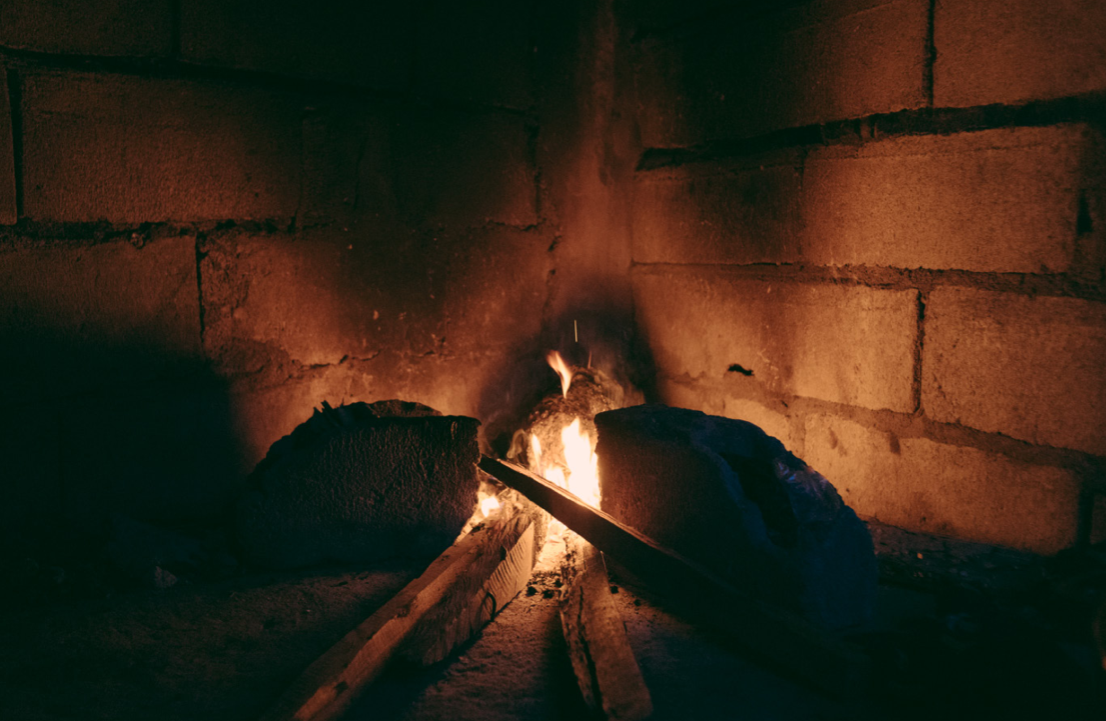
If I talk, they go say no lie.
The tour of the Hotel of the Artifact concludes by inviting reflection on the future of the collections. Essonti proposes an imaginative and dreamlike reinterpretation that allows for healing old wounds, reconfiguring memories, and opening new possibilities for African history and memory.
Agnes Essonti Luque (L'Hospitalet de Llobregat) invites us to imagine the museum not as a final destination for objects, but as a temporary space, a place of transit where the pieces and the memories they hold await their turn to be heard. In this exhibition, the concept of a hotel becomes a central metaphor: a hotel is neither a home nor a non-place; it is an ephemeral station, a meeting point where stories and presences intersect, transform, and linger for a moment.

Calabash 2. Photograph by Agnes Essonti.


You may be
interested
...